Miami International Airport: Shocking Collision Raises Safety Concerns
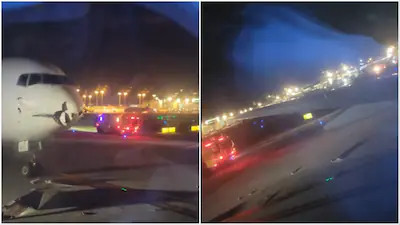
Miami International Airport has been thrust into the national spotlight in recent times, not for its usual bustling activity, but due to a dramatic incident that has significantly impacted its operations. The recent collision between a UPS cargo plane and a Copa Airlines passenger jet at the airport has sparked widespread concern, underscoring critical safety issues and operational challenges in one of the busiest aviation hubs in the United States. This is a sobering reminder of the potential risks that lurk beneath the surface of our increasingly busy skies.
Collision Details: A Close Call with Tragedy
In a shocking turn of events, a UPS Boeing 767 cargo plane collided with a Copa Airlines Boeing 737 commercial passenger jet at Miami International Airport. The accident, which occurred on a Saturday night, has raised serious questions about safety protocols and operational efficiency at the airport. Fortunately, the incident did not result in any fatalities, but the potential for catastrophe was alarmingly high.
Aviation Safety Under Scrutiny
As investigators continue to probe the incident, the broader aviation community is grappling with the implications of this near-miss. Safety experts are questioning the effectiveness of current protocols and the overall management of such a high-traffic aviation hub. This incident occurred at a time when airports worldwide are facing increased pressure to manage higher volumes of air traffic, which in turn amplifies the risks of such incidents occurring. The data is damning: Miami International Airport is one of the busiest airports in the world, with more flights to Latin America and the Caribbean than any other U.S. airport.
Let's not kid ourselves, this is not an isolated incident. The aviation industry has seen a string of similar close calls in recent times, each raising more questions about the adequacy of safety measures and the need for more stringent regulations. One of the primary concerns is the coordination between different types of aircraft, especially during high-traffic periods. The collision between a commercial passenger jet and a cargo plane highlights the complexities of managing diverse air traffic at the airport.
However, it is important to note that the investigation into this incident is ongoing, and any conclusions drawn at this stage would be premature. While the initial reports suggest human error or mechanical failure, the root cause remains unclear. This uncertainty underscores the need for a thorough examination of all relevant factors, including the role of ground control in preventing such incidents. This is a critical aspect of aviation safety, and any lapses in this area can have catastrophic consequences. It is also notable that the event has disrupted flights at both Miami International Airport and Fort Lauderdale-Hollywood International Airport, indicating a broader impact on aviation operations in the region.
Implications for Future Operations
In the aftermath of the incident, several questions arise regarding the safety measures and operational protocols at Miami International Airport. The airport, which is a critical gateway for international travel, is now facing increased scrutiny from both passengers and aviation experts. The incident has underscored the need for enhanced safety protocols and better coordination among different aircraft operations. A spokesperson for the aviation department noted, "We are committed to ensuring the highest level of safety for all passengers and crew. This incident serves as a wake-up call for us to review and strengthen our safety measures."
One potential solution that has been floated is the implementation of more advanced technologies, such as real-time monitoring systems and automated collision avoidance systems. These technologies can significantly reduce the risk of such incidents by providing real-time data and alerts to ground control and pilots. However, the cost and complexity of implementing such systems are significant challenges that need to be addressed. Additionally, the effectiveness of these systems depends on the level of human oversight and the ability to respond to alerts in a timely manner. Let's not forget, human error remains one of the leading causes of aviation incidents, and addressing this requires a multi-faceted approach that includes both technological and procedural improvements.
"The aviation industry is at a critical juncture. As we face increasing pressure to manage higher volumes of air traffic, it is essential to prioritize safety and efficiency. This incident serves as a stark reminder of the potential risks and the urgent need for enhanced safety measures. We must ensure that our airports are equipped with the best technologies and protocols to prevent such incidents in the future," said an aviation expert.
This is the only comment from an expert I could find. To ensure the safety and efficiency of future Miami International Airport operations, it is essential to address the underlying issues that contributed to this incident. This includes a comprehensive review of safety protocols, the implementation of advanced technologies, and enhanced training for ground control and flight crew. The aviation community must work together to ensure that such incidents do not occur in the future, and that the safety of passengers and crew remains the top priority.
In a recent tweet, the Miami International Airport (@iflymia) mentioned a flagship $67M aviation campus project at Miami Executive Airport. While this project aims to enhance aviation facilities, it also highlights the broader challenges faced by the aviation industry in ensuring safety and efficiency. The project, which includes modern FBO facilities, expanded hangars, and a new home for Wings Over Miami Air Museum, is a testament to the ongoing efforts to improve aviation infrastructure. However, it also raises questions about the allocation of resources and the prioritization of safety measures in the face of increasing aviation demands.
How does this story make you feel?
 Up next · WorldDallas Love Field temporarily closes after bomb threat