A United Launch Alliance (ULA) Setback: Vulcan Rocket Failure & Loss of 40 Amazon Satellites
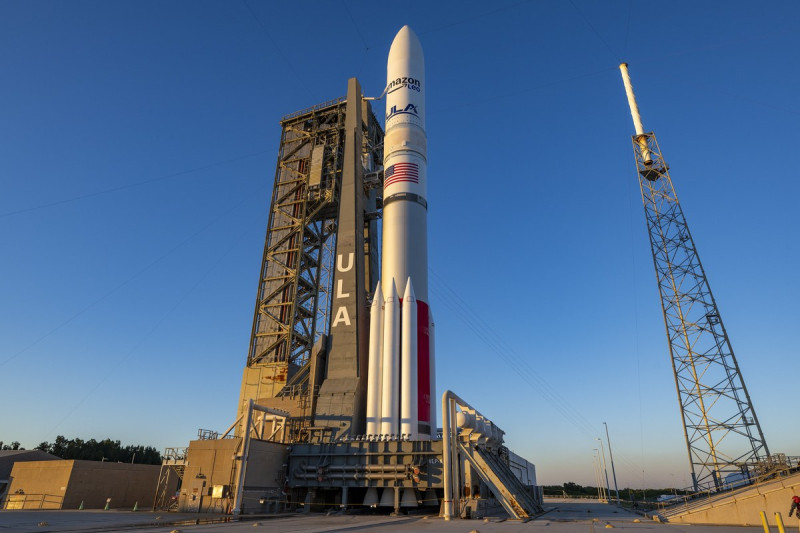
In the tense, fluorescent glare of the briefing room, the atmosphere was thick with a mix of shock and disappointment. Officials from United Launch Alliance (ULA) had just announced a significant setback in the company's recent mission—a catastrophic failure of the Vulcan rocket, which resulted in the loss of 40 Amazon Leo satellites. The incident, which occurred 10 minutes into the flight, marked a rare and notable failure for a company renowned for its precision and reliability in space launches.
Mission Overview and the Tragic Turn of Events
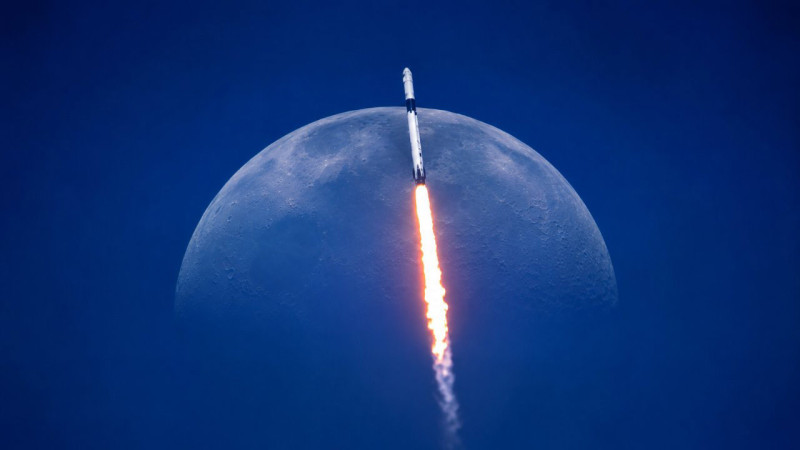
The Vulcan rocket lifted off from Cape Canaveral's pad 41 in a mission that was initially expected to be a routine launch. The rocket had been designed to usher in a new era of space capabilities, offering higher performance and extreme precision, particularly in delivering payloads to challenging and exotic orbits. This was ULA's latest venture, but things took a tragic turn within the first 10 minutes of the flight.
Reports from the mission control center indicated that an anomaly occurred, leading to a catastrophic failure. The exact cause of the failure remains under investigation. This anomaly resulted in the loss of the 40 Amazon Leo satellites, a significant setback for Amazon's ambitious internet satellite constellation project and a major blow to ULA’s reputation.
Impact on Amazon's Satellite Deployment and ULA’s Reputation
The loss of 40 Amazon Leo satellites was more than just a numerical setback; it represented a delay in Amazon's deployment schedule, which aims to provide global internet coverage through a constellation of low Earth orbit (LEO) satellites. The setback is expected to cause significant disruptions in Amazon's ambitious plans, potentially affecting the timeline for providing internet services to underserved areas around the world.
For ULA, this was the first outright failure in their recent history, marking a departure from their consistent success in the commercial launch industry. The incident highlighted the inherent risks and challenges of space launches, even for companies known for their reliability. ULA, a joint venture between Lockheed Martin and Boeing, has been a key player in the space launch industry, and this setback is a stark reminder of the complexities involved in space missions.
ULA officials expressed their commitment to addressing the issues that led to the failure.
The Future of Vulcan and ULA’s Recovery Plan
The failure of the Vulcan rocket and the subsequent loss of the Amazon satellites have underscored the need for rigorous testing and continuous improvement in the space launch industry. ULA's plans to resume Vulcan launches, even as an investigation into the February anomaly continues, demonstrate their resilience and commitment to advancing space capabilities.
The future of the Vulcan rocket and ULA's recovery efforts will be crucial in rebuilding trust and confidence in the company's launch capabilities. The Vulcan rocket, which is designed to offer the world’s only high-energy architecture rocket, is essential for delivering payloads to the country's most challenging orbits.
As ULA prepares to resume its launch operations, the focus will be on ensuring that all systems are thoroughly tested and that any potential issues are identified and addressed before the next mission. The company's ability to bounce back from this setback will be a testament to its expertise and resilience in the face of adversity.
In the briefing room, eyes were glued to the screen, phones buzzed in pockets, and the tension was palpable. Yet, amidst the chaos, a sense of determination was evident. "We will get to the bottom of this and we will return to the skies," said ULA CEO Tory Bruno, his voice steady and resolute. In the aftermath, the world watches and waits, hoping that ULA and the Vulcan rocket will rise from the ashes of this failure to once again soar towards the stars. -- The failure of the Vulcan rocket and the subsequent loss of 40 Amazon Leo satellites have underscored the need for rigorous testing and continuous improvement in the space launch industry, highlighting the complexities and inherent risks involved in space missions.
How does this story make you feel?
 Up next · TechThe Archive of Our Own (AO3) Faces Security Crisis: A Digital Standstill