US Department of Labor Announces Major PERM Overhaul: A Game-Changer for Employment-Based Green Cards
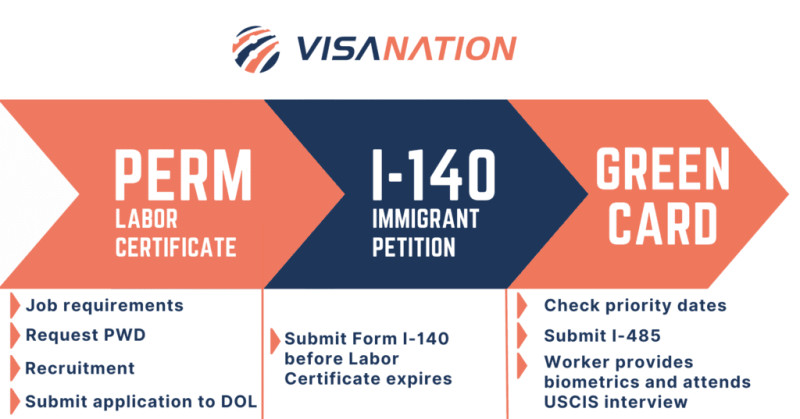
The Department of Labor (DOL) has sent shockwaves through the immigration and employment sectors with a sweeping proposal to revamp the Permanent Labor Certification program, known as PERM. The overhaul, announced recently, aims to modernize a system that has remained largely unchanged for over two decades. This move is set to significantly impact employers and foreign workers alike, as the DOL seeks to strengthen recruitment standards, improve recordkeeping, and enhance safeguards for American workers.
Understanding the PERM Overhaul: What's Changing?
The proposed rule, scheduled for publication in the Federal Register, introduces several key changes to the PERM labor certification process. Gone are some of the designated occupations exempted from the labor certification process, and in their place come stricter recruitment and recordkeeping requirements. These changes are part of a broader effort to ensure that the PERM program aligns with modern labor market realities and provides better protections for American workers, especially those affected by layoffs.
But why now? Think again. The last substantive revision to the PERM program occurred in 2004, and much has changed in the labor market since then. The updated rules are designed to address these shifts, ensuring that the system remains fair and efficient for all parties involved.
Impact on Employers and Foreign Workers
Employers who sponsor foreign workers for employment-based green cards under the EB-2 or EB-3 categories will face new challenges and higher costs. The proposed rule mandates more complex digital recruitment processes and significant increases in minimum wage requirements for foreign workers. Additionally, the elimination of administrative exemptions to the statutory labor market test means that employers must now conduct more rigorous searches to demonstrate that there are no qualified US workers available for the positions they seek to fill with foreign labor.
For foreign workers, the changes could mean longer wait times and more stringent criteria to meet. However, the overhaul also aims to streamline the process, potentially making it more efficient in the long run. Employers will need to adapt to the new requirements, which could lead to increased costs and a more competitive landscape for green card sponsorships.
Employment-based green card cases are likely to experience significant shifts due to these changes. Employers must prepare for the higher costs and more complex digital recruitment mandates that come with the new rules. The DOL's proposal includes a 60-day public comment period, during which stakeholders can voice their opinions and suggest modifications.
Looking Ahead: What Does This Mean for the Future of Employment-Based Immigration?
Nobody saw this coming. The proposed changes to the PERM program represent a seismic shift in the landscape of employment-based immigration. The DOL's goal is to create a more equitable and efficient system that benefits both employers and workers. But how will these changes play out in practice?
Will the stricter recruitment standards and higher wage requirements lead to fewer foreign workers being sponsored, or will they ensure that only the most qualified candidates secure green cards? Only time will tell. But one thing is certain: the future of employment-based immigration in the United States is poised for significant transformation, and all eyes are on the DOL as it navigates this complex overhaul.
“The proposed rule is a significant step forward in modernizing the PERM labor certification process, but it also poses substantial challenges for employers and foreign workers,” said an immigration expert. “The changes are designed to create a more robust and fair system, but the implementation will require careful planning and adaptation from all parties involved”.
Consider the potential ripple effects on the broader economy. Will this PERM overhaul lead to a more skilled workforce or exacerbate existing labor shortages? What does it mean for industries that rely heavily on foreign talent, such as technology and healthcare? The answers to these questions will unfold as the new rules take effect and the public comment period closes.
How does this story make you feel?
 Up next · PoliticsDr. Michael Freeman Drives New Jeffrey Epstein Probe