Iran's Latest Wave of Drone Attacks on U.S. Military Targets

The Middle East is once again ablaze with the latest escalation in tensions between Iran and the United States. Multiple sources report that Iran has recently launched a series of drone attacks on U.S. military targets, with the latest incident occurring in Bahrain, marking the second strike on the kingdom in just three days. This recent wave of drone assaults comes as U.S. forces continue to maintain a strong presence in the region, with recent strikes having targeted Iranian missile sites and air defense capabilities.
Recent Drone Attacks in Bahrain
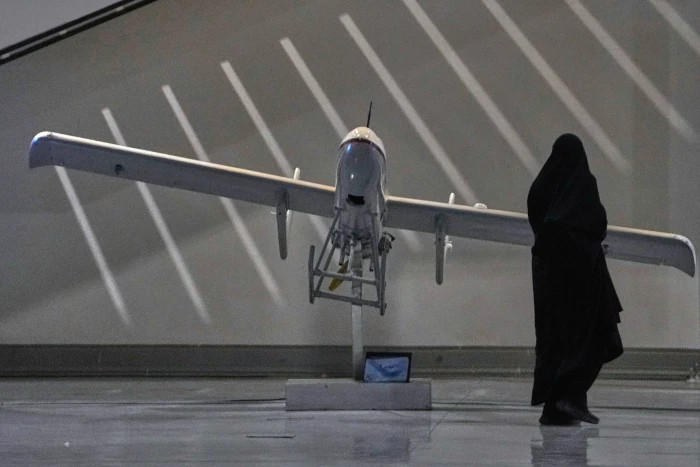
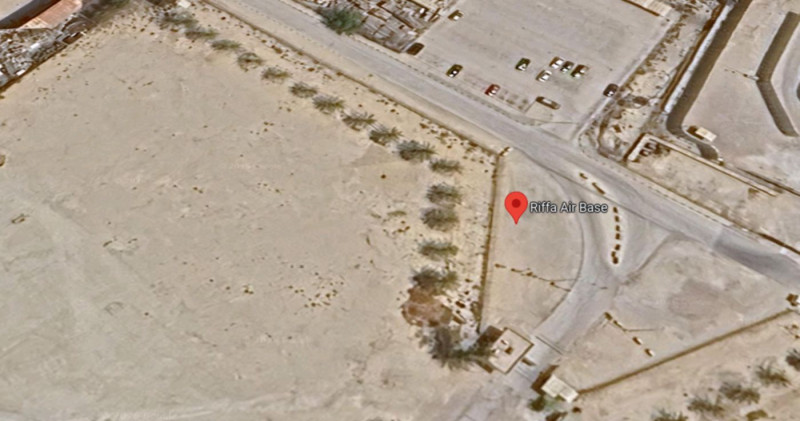
In the latest incident, Iran targeted a U.S. military base in Bahrain using drones, marking the second strike on the country in three days. The Islamic Revolutionary Guard Corps (IRGC) reported using six drones in the attack, escalating tensions in the region and raising concerns about the potential for further conflict. This aggressive move by Iran follows a period of heightened military activity, with recent U.S. strikes targeting Iranian missile launch sites and air defense capabilities in self-defense.
Sources on the ground report a tense atmosphere, with U.S. forces on high alert and local residents expressing concern about the potential for further escalation. "The sound of drones and the distant explosions have become all too familiar," noted one local resident, who spoke on condition of anonymity. The latest attack has also cast further doubt on ongoing peace talks between Tehran and Washington, with both sides appearing to be locked in a cycle of retaliation and escalation.
While the exact impact of the latest drone attacks is still being assessed, it is clear that the U.S. military is prepared to defend its interests in the region. "We have taken all necessary measures to protect our personnel and assets," said a U.S. military spokesperson, who confirmed that the latest strikes were carried out in self-defense and in response to Iranian aggression in the region. The spokesperson also noted that the U.S. remains committed to de-escalating tensions and working towards a diplomatic resolution, but is prepared to take further action if necessary.
The Escalating Conflict: A Timeline of Recent Events
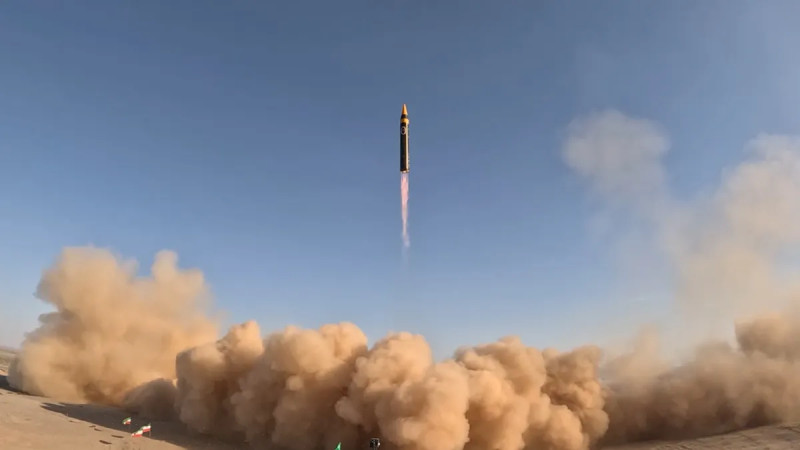
The recent wave of drone attacks by Iran comes as part of a broader pattern of escalating tensions in the Middle East. In recent weeks, the U.S. has conducted several military strikes against Iranian targets, including missile launch sites and air defense capabilities. The latest strike, which occurred on November 17, targeted an Iranian missile site operated by the IRGC, in response to Iran's renewed attacks on Gulf state bases and commercial shipping.
Iran has, in turn, responded with a series of drone attacks on U.S. military targets in the region, including the recent assault on a military base in Bahrain. This latest incident is the third attack on American targets in the kingdom in recent days, and comes as part of a broader pattern of escalating tensions in the region. The U.S. has vowed to continue defending its interests in the region, and has taken steps to bolster its military presence and capabilities in light of the ongoing threats.
While the exact origins of the latest wave of violence are still unclear, it is clear that the conflict has the potential to escalate into a broader regional war, with significant implications for global security and stability. "The situation is extremely volatile, and there is a real risk of further escalation," noted a Middle East expert, who also noted that the ongoing conflict has raised significant concerns about the potential for a broader regional war, with significant implications for global security and stability. "The situation is extremely volatile, and there is a real risk of further escalation," noted a Middle East expert.
"The situation is extremely volatile, and there is a real risk of further escalation," noted a Middle East expert, who emphasized the need for urgent diplomatic efforts to de-escalate tensions and prevent a broader regional conflict.
The Human Cost of Conflict
The latest wave of drone attacks has also highlighted the human cost of the ongoing conflict, with reports of civilian casualties and significant damage to infrastructure. In one particularly devastating incident, a U.S. strike hit a house hosting a wedding, killing five people and injuring many more. The incident has sparked outrage and condemnation from international observers, who have called on both sides to respect international humanitarian law and take all necessary measures to protect civilians.
The ongoing conflict has also had significant implications for regional security and stability, with reports of increasing tensions and violence across the region. Both sides have expressed their commitment to defending their interests and have taken steps to bolster their military capabilities in light of the ongoing threats. However, the potential for a broader regional conflict remains a significant concern, with experts warning of the potential for further escalation and the need for urgent diplomatic efforts to resolve the crisis.
In the meantime, the situation on the ground remains tense, with both sides locked in a cycle of retaliation and escalation. The U.S. has vowed to continue defending its interests in the region, and has taken steps to bolster its military presence and capabilities in light of the ongoing threats. However, the potential for a broader regional conflict remains a significant concern, with experts warning of the potential for further escalation and the need for urgent diplomatic efforts to resolve the crisis.
Despite the ongoing tensions, there are also signs of hope, with reports of continued diplomatic efforts to de-escalate the conflict and work towards a peaceful resolution. While the path forward remains uncertain, it is clear that the situation in the Middle East is at a critical juncture, with significant implications for global security and stability. The world watches with bated breath as the situation unfolds, with the potential for further escalation and the need for urgent diplomatic efforts to resolve the crisis.
Local residents, meanwhile, continue to live in a state of heightened alert, with the constant threat of drone attacks and missile strikes a daily reality. "We live in fear," said one local resident, who spoke on condition of anonymity. "The sound of drones and the distant explosions have become all too familiar, and we are constantly worried about what the future holds for our families and our communities. But we remain hopeful that the situation will improve, and that our leaders will find a way to resolve the crisis and bring peace to our region."
How does this story make you feel?
 Up next · WorldClean Harbors Explosion: Fire Rocks Deer Park Facility