Brisk Atlantic Weather: A Potential Subtropical Storm Brews
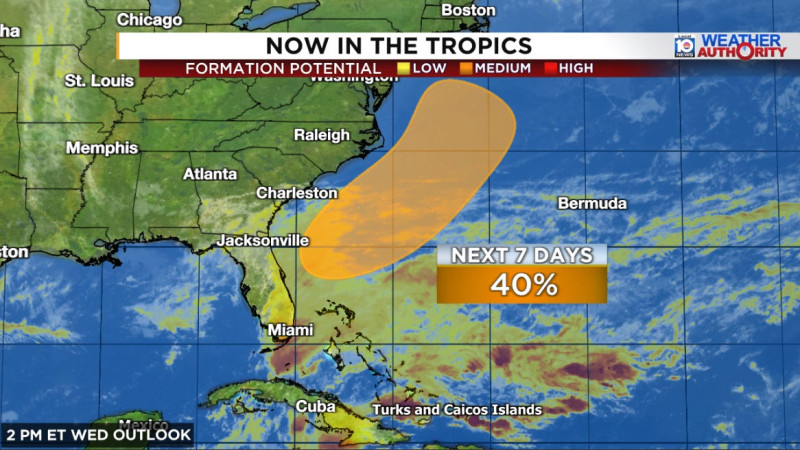
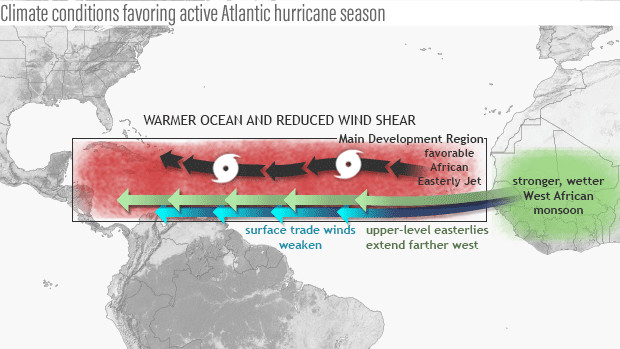
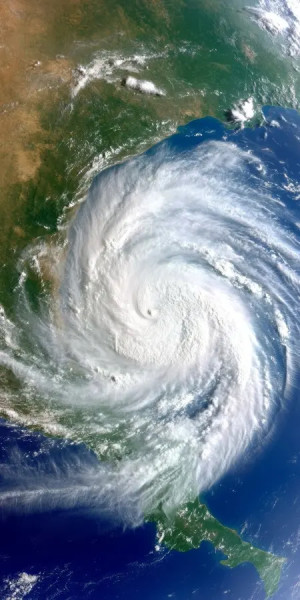
The National Hurricane Center (NHC) has the Atlantic basin under close watch as a potential subtropical storm eyes the southeast U.S. coast. This sudden shift in the weather pattern underscores the unpredictability of Atlantic weather systems, even as NOAA predicts a below-normal hurricane season.
Subtropical Storm Alert: What We Know So Far
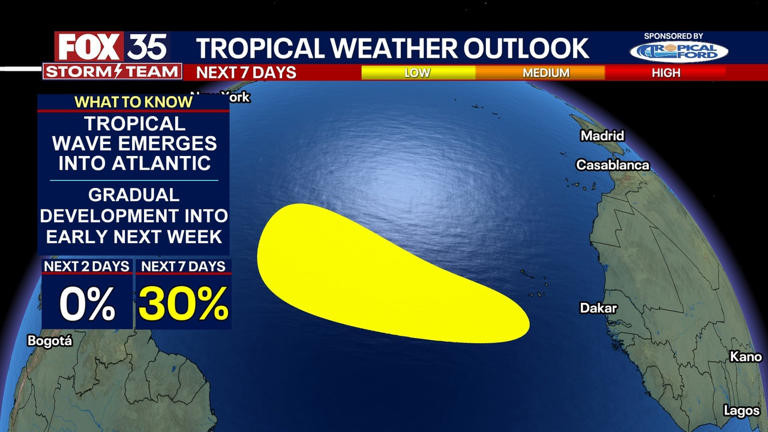
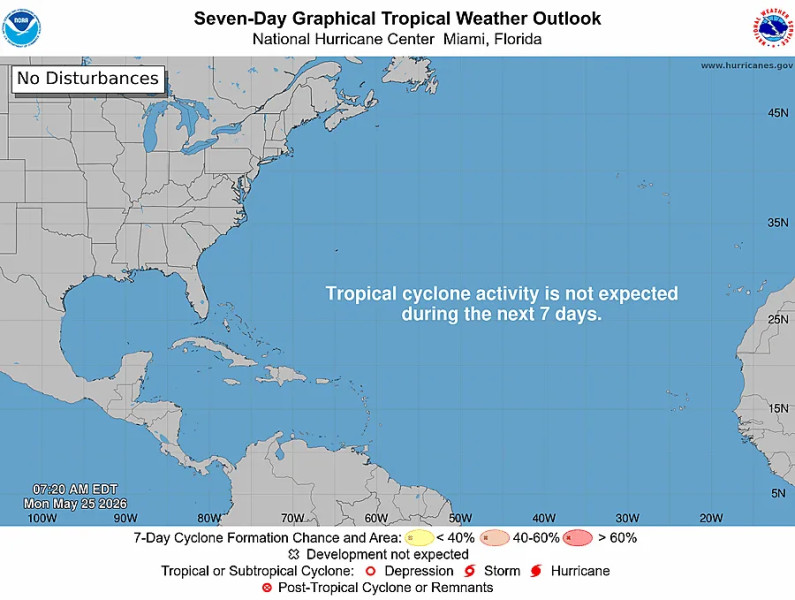
The NHC has issued a marine warning for the Atlantic, SW North Atlantic, and Eastern Pacific, signaling a heightened weather alert. According to the latest updates from the NHC, a subtropical or tropical storm could form this weekend near the southeast U.S. coast. While specific details are evolving, forecasts point to strong winds, dangerous surf, and coastal flooding along portions of the southeast and mid-Atlantic coasts.
Jamie Rhome, deputy director of the NHC, highlighted the potential for swift changes in weather conditions. As the NHC continues to monitor this developing weather system, residents along the Southeast and Mid-Atlantic coasts are encouraged to stay vigilant and prepared for possible severe weather conditions.
NOAA's Predictions vs. Current Conditions
Despite NOAA's earlier prediction of a below-normal Atlantic hurricane season, the current weather developments suggest otherwise. The NHC's latest updates reveal a more dynamic weather landscape, with marine warnings in effect for multiple regions. These warnings underscore the importance of continuous monitoring and preparedness, despite the season's overall prediction.
In recent years, the NHC has enhanced its products and services to improve the accuracy and timeliness of weather forecasts. The 2026 hurricane season brings new operational hurricane track cone maps and storm surge alerts for Hawaii, empowering communities to prepare more effectively for dangerous hazards from tropical storms.
The Unpredictability of Atlantic Weather Patterns
Let's not kid ourselves—weather patterns, especially in the Atlantic, can be notoriously unpredictable. A recent example is Tropical Storm Arthur, which, despite being a short-lived system, caused widespread heavy rain, flooding, and severe weather across the southeastern United States. The remnants of Arthur serve as a reminder that even minor storms can have significant impacts on coastal regions and inland areas.
A counterargument to this unpredictability is the notion that improved forecasting tools and increased public awareness can mitigate the risks associated with severe weather events. However, the rapid development of potential storms, like the one currently being monitored, challenges even the most advanced forecasting systems.
As marine warnings remain in effect and the NHC continues to issue updates, the question remains: how prepared are coastal communities for a potential subtropical or tropical storm? The answer lies in the resilience of local infrastructure, the effectiveness of emergency response plans, and the vigilance of residents in monitoring weather alerts. The NHC's latest updates serve as a stark reminder of the need for continuous preparedness and adaptation to changing weather conditions.
How does this story make you feel?
 Up next · ScienceVoyager 1's Monumental Journey: One Light-Day Milestone