Wal-Mart Stock Drops as Fears Grip Market Amid Fuel Crisis
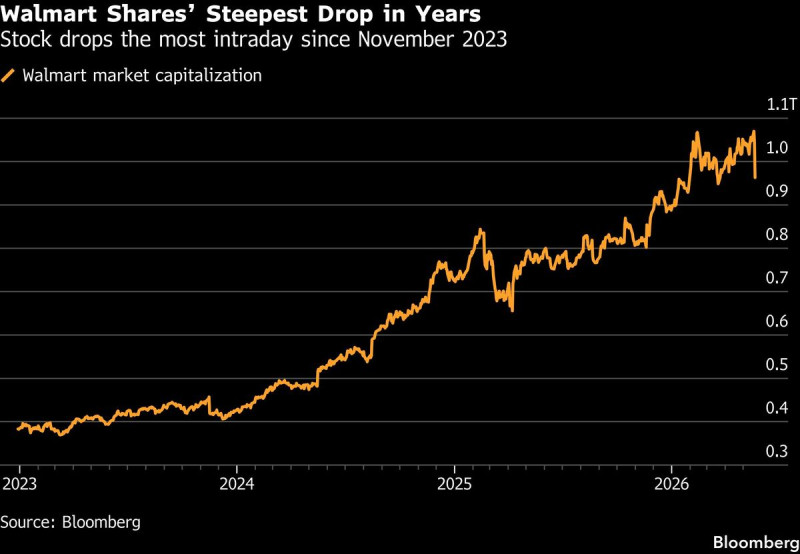
In recent times, Walmart Inc. (WMT) has seen a significant downturn in its stock performance, with investors growing increasingly concerned about the impact of a lingering fuel crisis on the company's earnings and overall market positioning. The retail giant, known for its expansive retail operations and robust online presence, has historically been a reliable investment choice for many. However, the current climate is testing even the most resilient of market players.
The Impact of the Fuel Crisis on Walmart's Stock Performance
The fuel crisis has had a widespread impact on Walmart stock, with the company's stock price showing a notable decline recently. The downturn can be attributed to several factors, including supply chain disruptions, higher operational costs, and shifting consumer spending habits in response to rising fuel prices. These challenges are not only affecting Walmart but are also resonating across the broader retail sector, as companies grapple with the ripple effects of the energy crisis.
Let's not kid ourselves, the data is damning. The decline in Walmart's stock price is a stark reminder of how vulnerable even the largest corporations can be to external economic shocks. According to industry analysts, the fuel crisis has led to a significant increase in transportation costs, which in turn has impacted Walmart's logistics and supply chain operations. This has resulted in higher prices for consumers and, consequently, a drop in footfall and online sales.
While Walmart has long been praised for its ability to adapt to changing market conditions, the current situation presents unique challenges. The company's omnichannel strategy, which combines in-store, online, and mobile shopping experiences, has been a cornerstone of its success. However, the fuel crisis has strained this model, as rising fuel costs have made it more expensive for consumers to visit physical stores and for Walmart to deliver goods to customers' doorsteps.
Financial Implications and Market Sentiment
Financial experts have been closely monitoring Walmart's financial health in recent times, with many expressing concern about the company's ability to maintain its competitive edge in the face of these challenges. The fuel crisis has led to a significant increase in operational costs, which has in turn affected Walmart's bottom line. However, some analysts argue that the short-term pain could pave the way for long-term gains, as Walmart is well-positioned to weather the storm and emerge stronger.
Here's what nobody's asking: What if the fuel crisis is just the tip of the iceberg? What if the broader economic downturn is just beginning? Walmart's resilience will be tested in the coming months, and only time will tell whether the company can navigate these turbulent waters. However, one thing is clear: the fuel crisis has shaken investor confidence, and the market is watching closely to see how Walmart responds.
The latest earnings reports from Walmart have highlighted the challenges posed by the fuel crisis, with the company reporting a decline in earnings per share in recent times. However, some analysts remain optimistic about the company's long-term prospects, pointing to its strong market positioning and robust business model. Walmart's focus on value and convenience has long been a key driver of its success, and the company is likely to continue investing in these areas to maintain its competitive edge.
What This Means for Investors
For investors, the recent downturn in Walmart's stock performance is a cause for concern, but it also presents an opportunity. The current market conditions are testing the mettle of even the most resilient companies, and Walmart's ability to adapt to the challenges posed by the fuel crisis will be a key indicator of its future success.
Investors are advised to keep a close eye on Walmart's financial health and market positioning in the coming months. The company's ability to navigate the current crisis will be a key determinant of its stock performance and overall market sentiment. While the fuel crisis has undoubtedly had a significant impact on Walmart's stock price, the company's long-term prospects remain strong, and investors should take a balanced view.
As the fuel crisis continues to grip the market, Walmart's stock performance remains a closely watched indicator of broader economic trends. Investors are advised to stay informed and take a strategic approach to their investments, as the current climate presents both challenges and opportunities. For now, the crisis is far from over, but Walmart's resilience and adaptability will be key to its success in the months to come.
How does this story make you feel?
 Up next · BusinessEl dólar hoy en México: una montaña rusa cambiaria