Myanmar's Genocide Verdict: A Landmark Ruling for the Rohingya
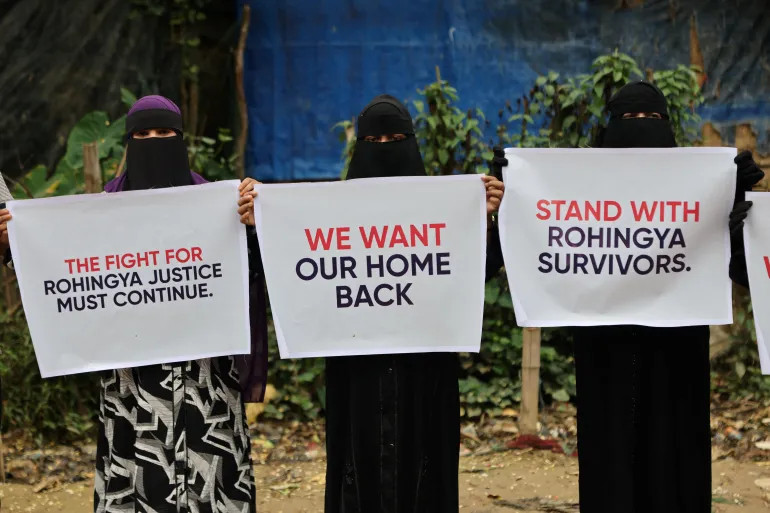
The International Court of Justice (ICJ) has rendered a historic decision, finding Myanmar guilty of genocide against the Rohingya minority. This ruling marks a pivotal moment in the ongoing struggle for justice and rights for the Rohingya, who have long faced systemic persecution in Myanmar. The verdict, delivered in recent times, carries profound implications for both international law and the plight of the Rohingya.
The Verdict and Its ImplicationsIn a landmark decision, the ICJ ruled that Myanmar committed genocide against the Rohingya during a 2017 military campaign. The court's ruling is the first time the UN's top court has held a country legally responsible for genocide, setting a precedent for future cases involving mass atrocities and crimes against humanity.
The Horrific Timeline of PersecutionThe Rohingya have long been a marginalized and persecuted minority in Myanmar. Decades of discrimination and violence culminated in the 2017 military campaign, which led to widespread atrocities, including killings, rape, and the destruction of villages. The ICJ's verdict confirms what many have long suspected—a systematic campaign of violence aimed at exterminating the Rohingya. 'The Rohingya are a predominantly Muslim minority from western Myanmar that has been persecuted for decades.'
More than 700,000 Rohingya fled Myanmar during the 2017 campaign, seeking refuge in neighboring Bangladesh. The exodus has created one of the world's largest refugee crises, with hundreds of thousands of Rohingya living in overcrowded camps in Bangladesh.
The perils faced by the Rohingya are underscored by the fact that many have been denied basic human rights, including citizenship and freedom of movement, within Myanmar.
The Global ResponseThe ICJ's verdict has been met with a mix of relief and outrage. Survivors and human rights advocates have hailed the ruling as a significant step toward justice. However, the verdict also highlights the ongoing challenges faced by the Rohingya, who continue to live in dire conditions both in Myanmar and in refugee camps.
The ICJ's decision comes after years of international pressure on Myanmar to address the Rohingya crisis. The Gambia, acting on behalf of the Organization of Islamic Cooperation, filed a case against Myanmar at the ICJ in 2019, accusing the country of committing genocide against the Rohingya. The ICJ's ruling underscores the importance of international accountability and the need for justice for victims of atrocities.
But the international community has a long way to go to ensure that the Rohingya receive the justice and support they deserve. The verdict, while a significant milestone, is just the beginning of a long road to reconciliation and justice.
Think again: Myanmar's ruling military elite has shown no signs of backing down, even as condemnation mounts from the international community. The Rohingya genocide verdict is a stark reminder that justice for the Rohingya is far from guaranteed.
The Long Road to JusticeWhile the ICJ's verdict is a critical step, it does not guarantee immediate relief for the Rohingya. The ruling is binding, but Myanmar's military junta, which has been in power since a 2021 coup, has shown little willingness to comply with international norms and laws.
The verdict underscores the need for continued international pressure and support for the Rohingya. Advocates call for increased humanitarian aid, safe repatriation for refugees, and concrete measures to address the root causes of the Rohingya crisis.
It's not just about legalism and accountability; it's about the enduring plight of millions who remain trapped in a cycle of persecution and displacement. Myanmar must reckon with its past atrocities and create a path to justice and reconciliation for the Rohingya.
What Happens Now?The ICJ's ruling sends a clear message to Myanmar and the world: genocide will not be tolerated. But the work of ensuring justice and dignity for the Rohingya is far from over. International pressure must be sustained, and Myanmar's military junta must be held accountable for its actions.
The Rohingya have been a forgotten people for too long, left to suffer in silence while the world watched. It is time for Myanmar to face the consequences of its actions and for the international community to stand firmly with the Rohingya in their fight for justice and human rights.
It is Myanmar's turn to finally reckon with the genocide of its Rohingya minority.
How does this story make you feel?
 Up next · WorldTraffic Delays and Weather Conditions Threaten Sacramento to Reno Route