Rikers Island Jail: Long-Awaited Closure Plans Unveiled by Mayor Mamdani
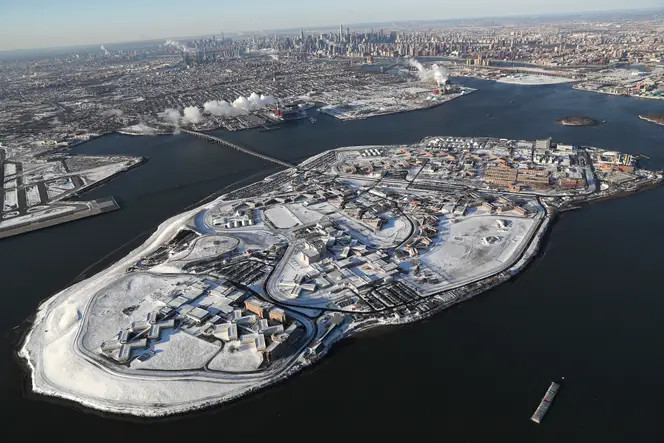
Mayor Zohran Mamdani's announcement to close Rikers Island jail has sparked a wave of reactions. Known for its notorious conditions, Rikers Island has long been a symbol of New York City's struggles with criminal justice reform. The recent push to close the island's jail complex is a significant step towards addressing decades of criticism and controversy.
The Plan: A Phased Approach to Shutting Down Rikers Island
The closure of Rikers Island is not a sudden decision but a culmination of years of advocacy and planning. Mayor Mamdani's proposal outlines a phased approach to gradually reduce the inmate population and relocate detainees to modern, more humane facilities. The goal is to end incarceration on the island by 2032, a move that has been met with both support and skepticism.
Historical Context of Rikers Island
Rikers Island, a 413-acre island in New York City's East River, has a complicated history. Originally part of Lenape indigenous territory, it was later acquired by Dutch settlers and remained largely undeveloped until the early 20th century. The island's transformation into a prison complex began in 1932, and since then, it has housed notorious figures and faced severe criticism for its unsanitary and violent conditions.
The prison's reputation has been tarnished by numerous reports of abuse and neglect. In recent times, there have been calls for its closure, with advocates arguing that the island's remote location and outdated facilities make it unsuitable for modern incarceration standards.
The Road Ahead: Challenges and Opportunities
The plan to close Rikers Island is fraught with challenges. The mayor's administration must navigate legal, logistical, and political hurdles to ensure a smooth transition. One of the primary obstacles is the reduction of the inmate population, which will require significant reforms in the criminal justice system to decrease the number of people entering the jail.
The closure also presents an opportunity for New York City to reimagine its approach to criminal justice. The funds and resources currently allocated to Rikers Island could be redirected towards community-based initiatives, rehabilitation programs, and social services that address the root causes of crime.
In an effort to maintain transparency and public trust, the city plans to regularly update the public on the progress towards the closure. Officials have emphasized the importance of community involvement, stating that the success of the initiative will depend on the collaboration between city agencies, advocacy groups, and residents.
"The closure of Rikers Island is not just about shutting down a prison; it's about transforming our criminal justice system into one that prioritizes rehabilitation and community safety," said an official from the Department of Correction.
Nobody saw this coming, yet the closure of Rikers Island is a long overdue step towards justice reform. The city must now rally around this goal, showing it's committed to a future where Rikers Island is a thing of the past. The future of justice in New York City is at a crossroads, and the city is on the brink of a critical decision that could reshape its criminal justice landscape.
How does this story make you feel?
 Up next · PoliticsElon Musk says he is not MAGA after spending $474 million on GOP candidates