Next Full Moon: A Rare Celestial Event Approaches
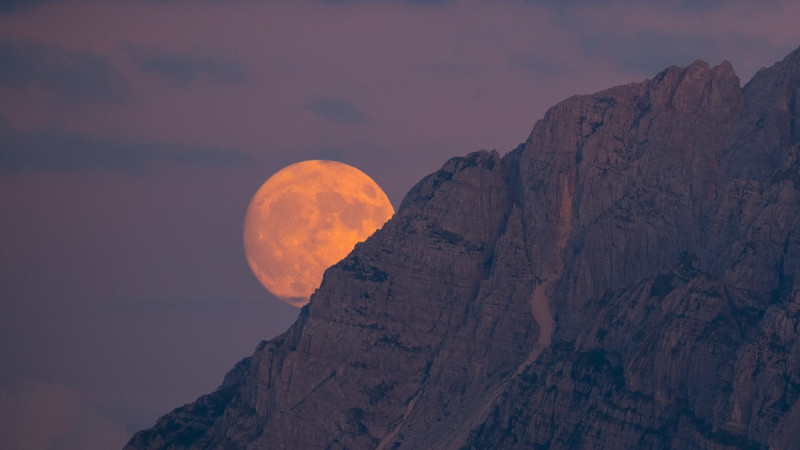
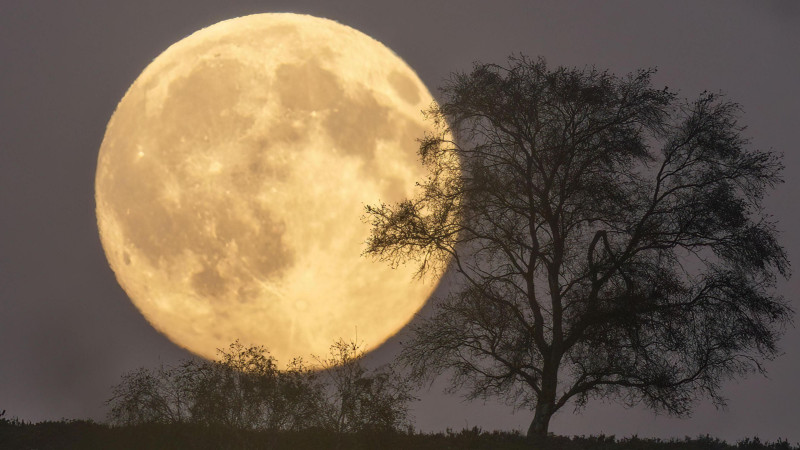
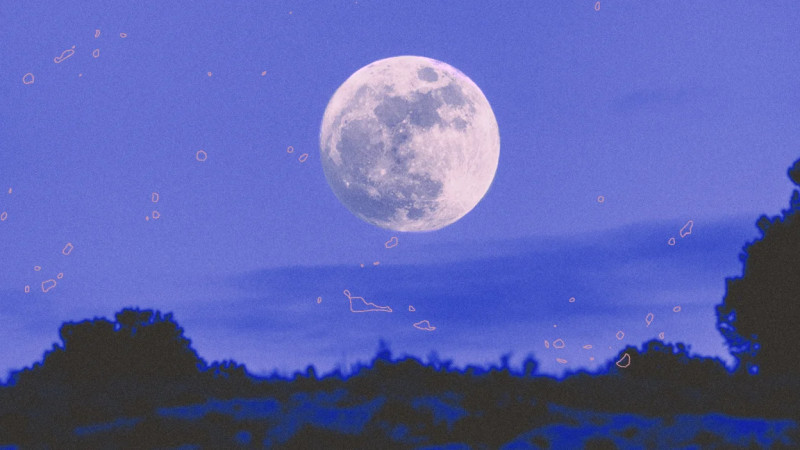
The moon is a silent sentinel, orbiting Earth with steadfast precision, and its phases are a constant source of wonder for skywatchers. Recently, it has been the subject of much anticipation as the next full moon draws near. This event is no ordinary full moon, however. It is set to be a supermoon, which will make it appear larger and brighter in the night sky. The exact date and time are yet to be officially confirmed, but it is expected to occur in the coming days, making it a much-anticipated celestial event for astronomers and stargazers alike.
The Significance of the Upcoming Full Moon
As the full moon approaches, the celestial community is abuzz with excitement. This particular full moon is often referred to as the Beaver Moon, and it promises to be a spectacular sight. The Beaver Moon is the next full moon in November, and it is known for its significance in various cultures. Traditionally, this full moon was a signal for Native Americans to set beaver traps before the waters froze over, ensuring a supply of furs for the long winter.
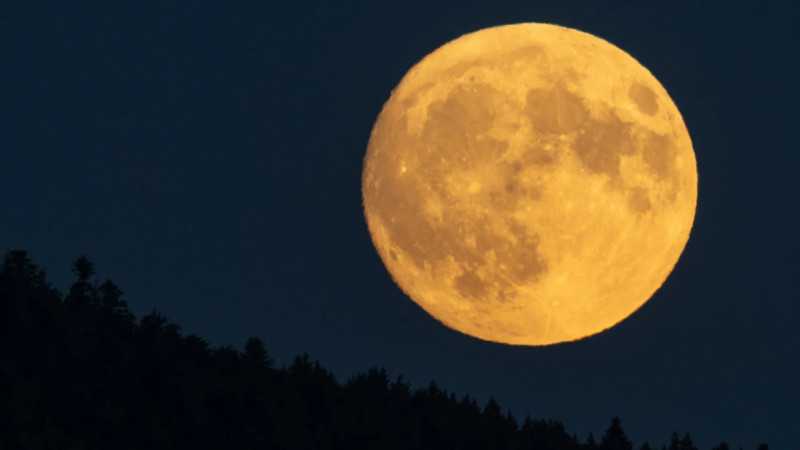
This year, the Beaver Moon will be especially notable because it is also a supermoon. Supermoons occur when the full moon is at its closest approach to Earth, known as perigee. This proximity makes the moon appear up to 14% larger and 30% brighter than a typical full moon. The combination of these factors—tradition and astronomical significance—makes this event particularly special.
Astronomers and astrophotographers are gearing up for this celestial display, as the supermoon offers a rare opportunity to capture stunning images of the lunar surface. — The moon is a dynamic entity, and its phases are a testament to the relentless march of time. However, as we prepare to witness the upcoming Beaver Moon, it is essential to appreciate its significance not just as a celestial event, but also as a cultural and historical phenomenon.
The Science Behind the Full Moon and Supermoon
The upcoming full moon is a complex astronomical event that involves precise alignment of the sun, Earth, and moon. When the moon reaches the point in its orbit where it is directly opposite the sun, it appears as a full moon. This alignment occurs every 29.53 days, making it a recurring yet ever-fascinating event.
The term supermoon refers to a full moon that occurs when the moon is at its closest approach to Earth. This proximity can make the moon appear significantly larger and brighter than usual. The Beaver Moon, being a supermoon, will offer an exceptional viewing experience. The supermoon effect is a result of the moon's elliptical orbit, which brings it closer to and farther from Earth at different points in its cycle.
In the midst of the excitement, NASA and other space agencies are also focusing on the educational aspect of this event. They are using the Beaver Moon as an opportunity to engage the public in discussions about lunar science and the significance of the moon in our solar system. The full moon also plays a crucial role in various cultural and religious practices, making it a topic of interest for many beyond the scientific community.
As the moon continues its dance with the Earth, it remains a source of fascination and inspiration. The upcoming Beaver Moon, with its status as a supermoon, will be the latest chapter in this ongoing celestial narrative, reminding us of the enduring allure of the lunar landscape and the wonders of the night sky.
The exact date and time of the Beaver Moon are yet to be officially confirmed, but with the anticipation building, it is an important reminder that the world of astronomy is never short on surprises. And as we look forward to this celestial event, it is a testament to the enduring fascination with the moon and its intricate dance with the Earth.
As we await the upcoming full moon, it is important to consider the broader implications of this celestial event. For astronomers, this is a rare opportunity to study the moon in greater detail. For the general public, it is a chance to marvel at the beauty of the night sky. And for those who view the moon through a cultural or spiritual lens, it is a moment of reflection and connection.
How does this story make you feel?
 Up next · ScienceAccuWeather warns of heavy rain, wind and power outages in New York storm