The Harsh Reality of Artistic Expression: Parastoo Ahmadi’s 74 Lashes
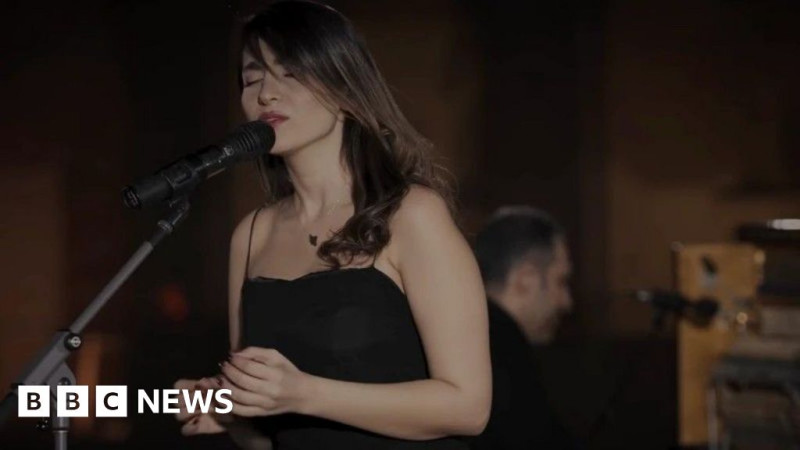
A song sung too freely can resonate like thunder, shaking the foundations of the oppressive systems. For Parastoo Ahmadi, an Iranian singer, her choice to perform without a hijab has recently resonated in a way that no artist would wish for. Ahmadi, 29, has become a symbol of the stark clash between personal expression and state control, as the regime has lashed out with a sentence of 74 lashes.
Unmasking the Repressive Sentence
Ahmadi’s performance during a virtual concert in 2024 was deemed “offensive to public decency” by Iranian authorities. The concert, which was held at the historic Deir Gachin Caravanserai in Qom, featured Ahmadi in a sleeveless dress, without the mandatory hijab, breaking the cultural norms imposed by the regime.
The singer, along with four other members of her production team, has been punished with 74 lashes and travel bans for up to two years. The lashing sentence was carried out in the city of Qom, echoing the regime’s ongoing crackdown on artistic freedoms. The use of public punishment serves as a chilling reminder of the consequences for those who dare to defy the state's rigid social norms. The mere act of performing without a hijab, in this case, was seen as an affront to the nation's Islamic principles.
The Global Condemnation
The harsh sentencing has ignited global outrage, with international rights organizations and media outlets condemning the punishment. Iran Human Rights and Ahmadi’s lawyer, Mostafa Nili, have publicly denounced the flogging as a brutal violation of human rights. Nili emphasized that the verdict is another stark example of the oppressive measures the Iranian regime employs to control artistic expression and personal freedoms.
“The international community must stand against such barbaric acts. The punishment meted out to Parastoo Ahmadi and her team is a stark reminder of the regime’s inhumanity and its disregard for basic human rights,” Nili said, highlighting the ongoing struggle for freedom in Iran.
The regime's actions are a blunt three-word hit: punishment for expression.
The lashing incident has sparked discussions about the broader implications for artistic freedom and gender equality within Iran. The global community’s response underscores the need to advocate for those facing similar injustices. It’s a call to action that goes beyond Ahmadi’s case, representing a larger fight for human rights and freedoms within Iran.
Meanwhile, the cultural landscape in Iran remains fraught with tension, where every artistic act is scrutinized. Parastoo Ahmadi's case serves as a stark reminder of the danger posed to artists who navigate the complex terrain of state control and artistic expression. The question lingers: how many more lashes will it take for the world to truly see the ugly face of oppression in Iran?
How does this story make you feel?
 Up next · EntertainmentMichelle Randolph and Christopher Briney: A Modern Romance in 'Clashing Through the Snow' (2026)