Iowa Army Lead Detonation: A Toxic Cloud of Controversy
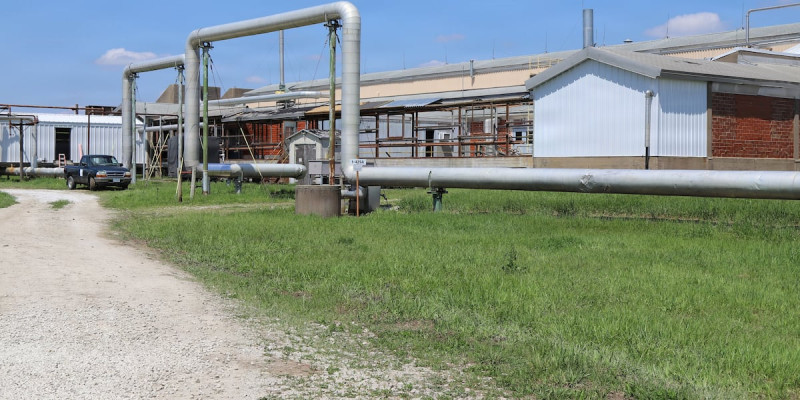
In the heart of the Corn Belt, a different kind of storm is brewing. Iowa is no stranger to drama, but lead detonation near its Army Ammunition Plant in Middletown has locals on edge. The US Army's plan to detonate 68 barrels of lead azide — a total of about 9,700 pounds — has ignited a firestorm of controversy. And here’s the thing: it’s not just about the bang; it’s about the potential fallout.
A Cloud of Lead: The Details on the Detonation
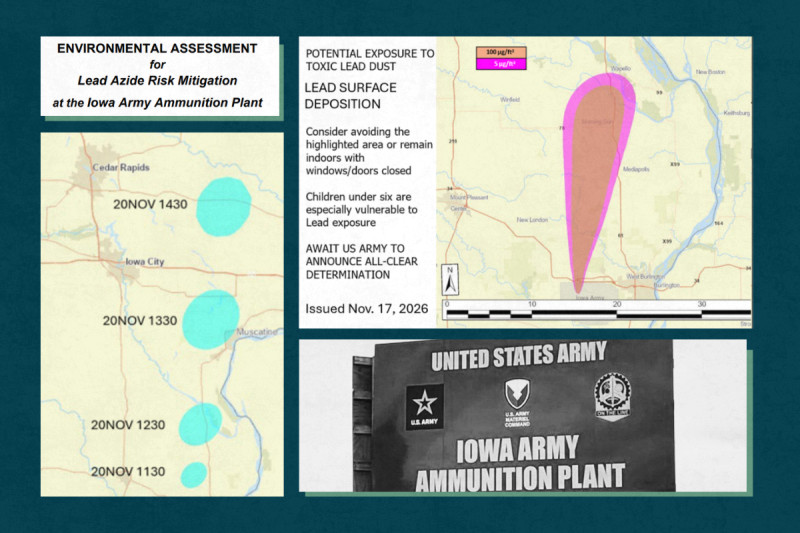
You might be wondering, “Why lead?” Well, lead azide is a powerful explosive, but it’s also a neurotoxin. The U.S. Army has been dealing with thousands of pounds of degraded lead azide stored at the Iowa Army Ammunition Plant. According to available reports, the Army has been working with the Environmental Protection Agency (EPA) to come up with a plan that minimizes risks to nearby residents and the environment. The process involves the detonation of these explosives, which will produce a dust plume containing lead particles, possibly contaminating the air and water, and potentially affecting the health of residents in the surrounding area. The Army plans to proceed with the detonation under emergency legal powers that allow it to bypass a court order blocking the process.
The Fallout: Health and Environmental Concerns
The detonation poses serious health risks, particularly for vulnerable populations like pregnant women and children. Lead exposure can cause a range of health issues, from developmental problems in children to neurological damage in adults. Local leaders and residents have voiced their concerns, but the Army maintains that the detonation is necessary to mitigate the risks of an uncontrolled explosion. The Army’s stance is that detonation is the safest method to dispose of the unstable, lead-filled explosives. The Army has further announced that local residents are being told by federal authorities to keep their windows closed for one or two days as a precautionary measure.
A Battle of Words: The Political Dimension
The controversy doesn’t just involve environmentalists and locals; it’s also become a political battleground. President Donald Trump intervened, placing the operation on hold, which has delayed the detonation for the third time. The Army recently moved the detonation to Wednesday, citing emergency legal powers to sidestep the court order. The whole situation has left many residents feeling like they are in a game of political ping-pong. The court further delayed the detonation as it awaits a ruling on the federal permit for the detonation.
“The issue here is not just about safety but also about trust. The Army needs to do more to reassure the community that this detonation will not put their lives at risk.”
— Local Resident
The situation in Iowa is a stark reminder of the delicate balance between national security and public health. The Army’s plan to detonate lead azide highlights the complexities of managing hazardous materials and the importance of transparent communication with the public. As the controversy unfolds, one thing is clear: the people of Iowa will be watching closely, hoping that the Army’s assurances of safety hold true. You can see the situation update on ASC Installation Community Notifications. So, here's to hoping that the lead cloud turns out to be more of a smokescreen than a real threat. Sound familiar? Remind you of anything? It’s a tale of modern-day alchemy, where one man’s lead is another man’s gold — or, in this case, another man’s toxic dust.
How does this story make you feel?
 Up next · PoliticsEnrique Peña Nieto Detained in Mexico