Microsoft Declares 'Code Red' Amidst Global Outage
The Microsoft Code Red alert is like a fire bell in the night for the tech giant, ringing loudly to signal the most critical and urgent alarm. The alert was triggered by a recent historic outage that exposed deep vulnerabilities in Microsoft's systems and response processes, particularly affecting the widely-used Microsoft 365 suite. From Exchange Online to Outlook, the disruption has reverberated across millions of users, highlighting the necessity for rapid recovery and future prevention. As the tech giant gears up to address these issues, let's delve into the specifics of this unprecedented event and its broader implications on the tech industry.
Understanding the 'Code Red' Alert
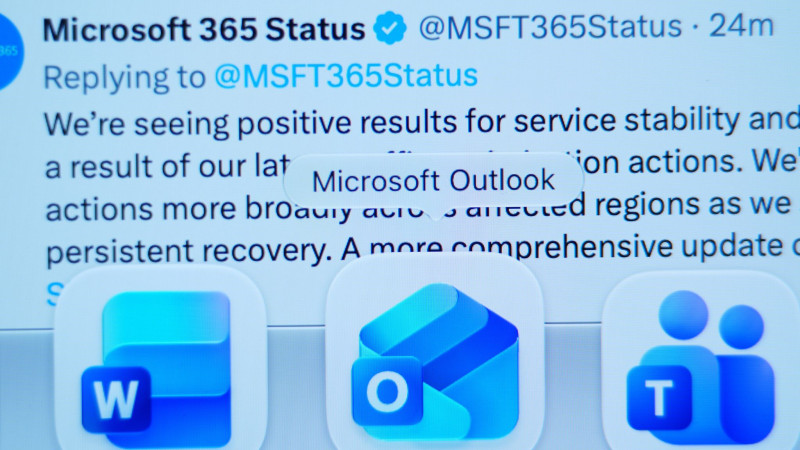
The 'Code Red' alert within Microsoft is the highest level of severity, indicating a need for immediate and comprehensive action. This alert is a rare occurrence, reserved only for the most significant outages that have profound impacts on users and businesses alike. The recent outage disrupted Exchange Online, Outlook, Teams, and other Microsoft 365 products, causing widespread chaos. This disruption was particularly severe because it lasted nearly 24 hours, affecting millions of users and leading to significant losses for trading firms and airlines. The outage was reportedly caused by a Windows scalability defect introduced in July, which was exacerbated during the recent outage. This defect highlighted the need for a thorough overhaul of Microsoft's engineering and operational practices to prevent such incidents in the future.
The Aftermath and Response
Microsoft's response to the outage has been swift and thorough. CEO Satya Nadella publicly apologized for the disruption, emphasizing the company's commitment to improving its systems and response processes. The 'Code Red' alert has prompted Microsoft to focus on quicker recovery times, aiming for a one-hour fix target. This focus on rapid recovery is crucial, especially as cyber insured loss estimates range from $100 million to $700 million. Additionally, Microsoft is implementing AI agents to speed up diagnosis and resolution of future outages. This move underscores the company's dedication to leveraging advanced technologies to enhance reliability and resilience in its services.
The internal memos reviewed by Reuters reveal that Microsoft is treating the outage response, recovery, and future prevention as its top priority. This includes a high-priority 'Code Red' drive to overhaul its engineering systems. The company is also working on improving its response to major service disruptions, ensuring that such incidents do not recur. This proactive approach reflects Microsoft's commitment to maintaining the trust and confidence of its users and partners, even in the face of unprecedented challenges.
Long-Term Implications and Future Preparations
While Microsoft's immediate response has been commendable, the long-term implications of this outage are far-reaching. The event has exposed vulnerabilities in Microsoft's systems that could have serious repercussions for businesses and individuals relying on their services. As a result, Microsoft is likely to invest heavily in both preventive measures and rapid response mechanisms. This includes enhancing security protocols, improving scalability, and implementing advanced diagnostic tools. The company's goal is to ensure that future outages are minimized and managed more effectively, thereby maintaining the reliability and trustworthiness of its services.
However, the broader tech industry should also take note. The Microsoft outage serves as a stark reminder of the fragility of our digital infrastructure and the need for robust contingency plans. As businesses become increasingly dependent on cloud services, the importance of reliability and security cannot be overstated. Companies must invest in proactive measures to prevent outages and have robust recovery plans in place to mitigate their impact. The Microsoft 'Code Red' incident is a wake-up call for the entire industry to prioritize resilience and preparedness in the face of potential disruptions.
The 'Code Red' alert has reverberated through the tech industry, highlighting the urgent need for resilience and preparedness in the face of potential disruptions. As Microsoft works to overhaul its engineering and operational practices, the broader implications of this event will continue to resonate, prompting a re-evaluation of digital infrastructure and response mechanisms across the industry.
How will Microsoft's response to this outage shape the future of cloud computing and digital reliability?
How does this story make you feel?
 Up next · TechTikTok Down: Users Report Outages and Frustration as Social Media App Faces Technical Issues