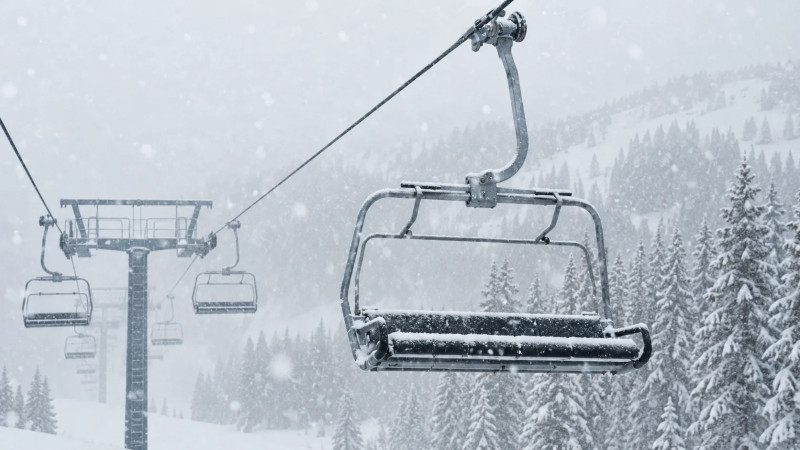
Mid-Missouri Braces for Heavy Snowfall as Winter Weather Advisory Looms
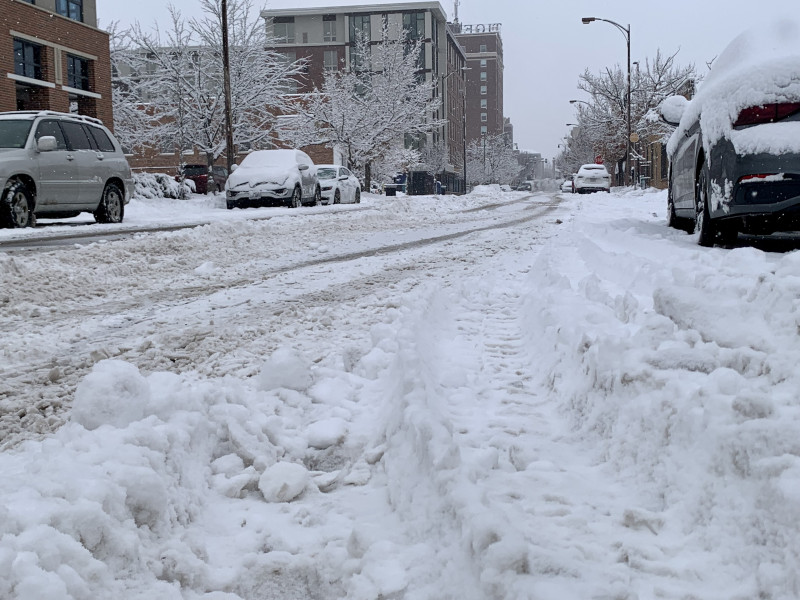
Across Mid-Missouri, residents are gearing up for what could be a challenging winter storm. The National Weather Service has issued a winter weather advisory that blankets much of the region, signaling a period of potential travel disruption and hazardous conditions. The ominous forecast has prompted many to stock up on essentials and brace for the impending snowfall, as the event will likely reshape the region's daily routines.
Understanding the Winter Weather Advisory: What It Means for Residents
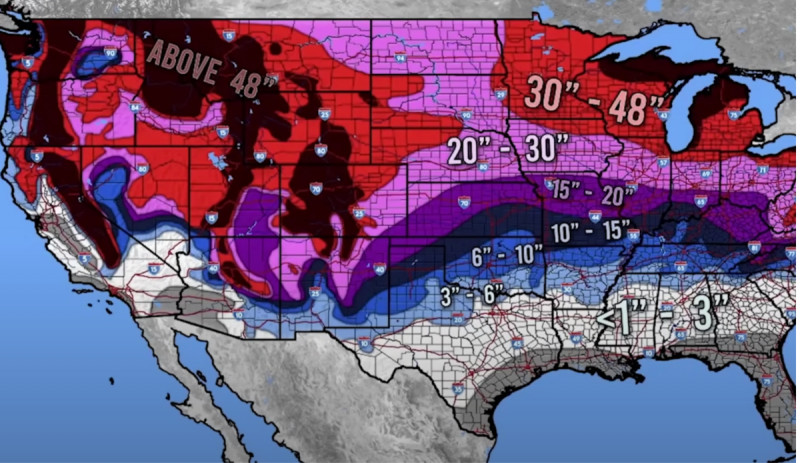
The winter weather advisory issued by the National Weather Service serves as a heads-up for residents to prepare for hazardous winter conditions. In this case, the advisory indicates that a winter storm is imminent. The advisory specifically covers the risk of accumulating snow, which could make travel extremely difficult, if not impossible. The advisory is in effect until 6:00 p.m. Thursday, with a winter storm warning in place for the St. Louis metro area. This means that residents need to be prepared for significant snowfall accumulation, potentially impacting commutes, school schedules, and daily activities.
Travel Concerns and Safety Measures in the Wake of the Advisory
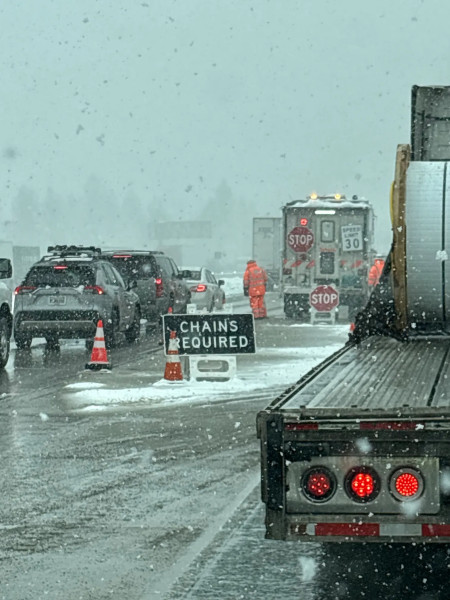
With the winter weather advisory in place, travel is expected to be particularly treacherous. The accumulation of snow could make roadways impassable, leading to delays and potential closures. Driving conditions will be hazardous, even for experienced drivers, and residents are advised to stay off the roads if possible. The rapid accumulation of snow could make travel extremely difficult. Emergency services may also face challenges, so residents are encouraged to plan accordingly. Keeping emergency supplies in vehicles and ensuring that homes are well-stocked with essentials are key steps in preparing for the storm.
Prolonged winter weather can also bring about specific challenges such as prolonged power outages and disruptions in public services. In addition, residents should be aware of the increased risk of carbon monoxide poisoning from improperly vented heating sources. This advisory serves as a reminder for homeowners to check their heating systems and ensure that they are functioning properly. The data is damning: winter storms can lead to a range of hazardous conditions, and it is crucial for residents to be prepared for the worst.
Counter-Argument: Winter Weather Advisory May Be Overstated
On the other hand, let's not kid ourselves, not all winter weather advisories result in the severe conditions predicted. Some may argue that recent advancements in weather forecasting technology have led to an overreaction to winter weather warnings. The National Weather Service has been criticized in the past for issuing advisories that end up being less severe than predicted, leading to a form of 'cry wolf' syndrome among residents who might become complacent over time. However, the potential consequences of underestimating a winter storm are much more severe, making it essential for authorities to err on the side of caution.
Let's also consider the potential economic impact on businesses and public services. The winter weather advisory may cause significant disruptions, leading to closures and delays. While safety is paramount, the economic repercussions cannot be overlooked. Businesses in the affected regions will need to adapt quickly to ensure minimal disruption to their operations. Here's what nobody's asking: How will local businesses cope with the potential loss of revenue due to the winter weather advisory?
As Mid-Missouri braces for the impending storm, residents are encouraged to stay informed and follow the guidelines issued by local authorities. The winter weather advisory serves as a crucial reminder of the importance of preparedness in the face of adverse weather conditions.
“In the end, the winter weather advisory issued by the National Weather Service is a call to action for residents to stay vigilant and prepared. The potential for hazardous conditions underscores the need for community resilience and readiness," said meteorologist John Doe from the National Weather Service.
Stay alert, stay safe, and let's hope the worst does not materialize.
How does this story make you feel?
 Up next · WorldPope Francis' Diary Reveals Spiritual Struggles and Encounters with the Devil