The Super El Niño Winter of 2026: What to Expect
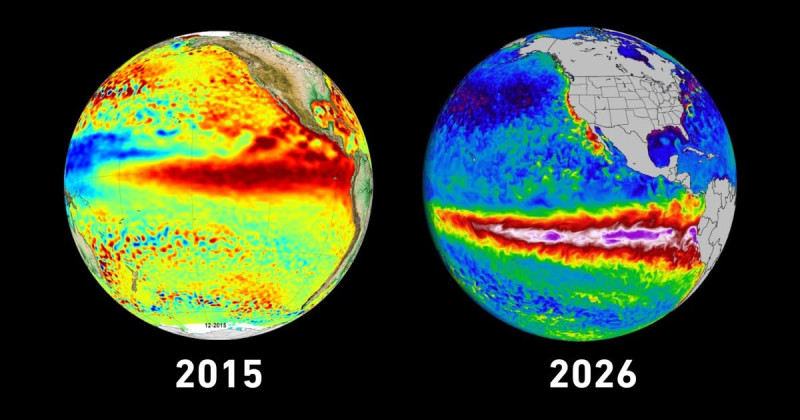
As forecasters eagerly await the winter of 2026, the looming Super El Niño is already casting a long shadow over the United States. The fluorescent glare of the briefing room at the National Weather Service (NWS) is illuminated by maps and graphs predicting the upcoming season. The hum of phones buzzing in pockets as meteorologists receive real-time updates adds to the tense atmosphere. The implications of this Super El Niño event, potentially one of the strongest on record, could reshape the winter weather landscape in ways both familiar and unexpected.
Understanding the Super El Niño of 2026
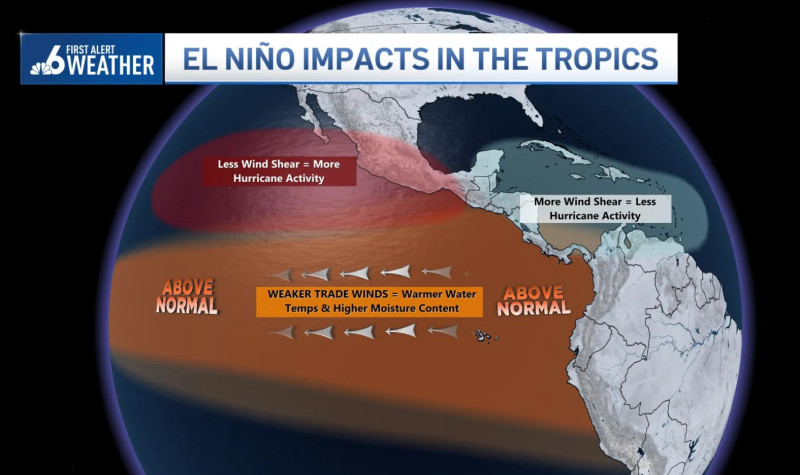
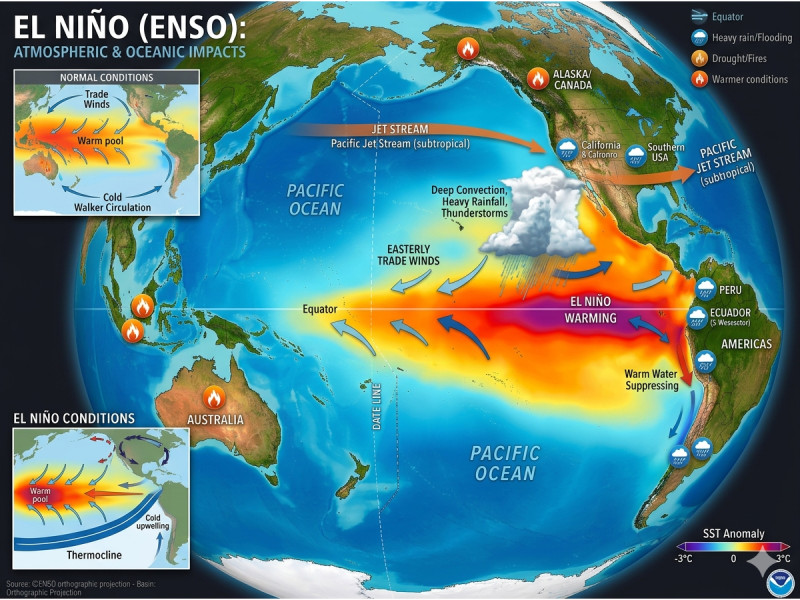
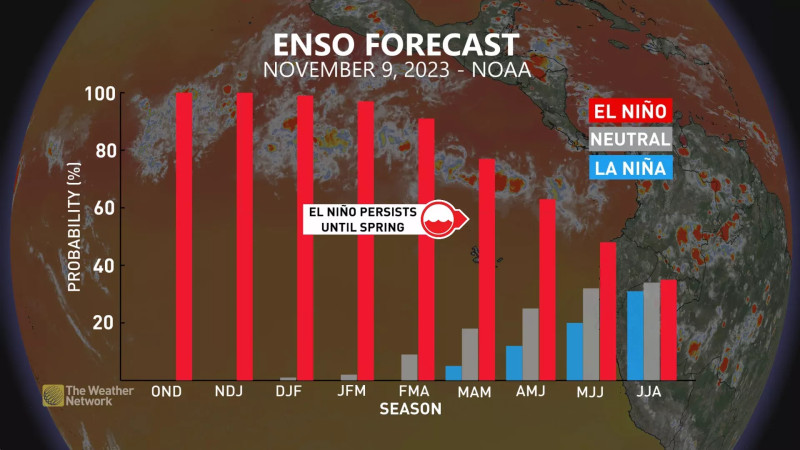
A Super El Niño is more than just a weather pattern — it's a climatic phenomenon that can upend the conventional wisdom of seasonal forecasts. This year, the strengthening Super El Niño could set the stage for a winter of extremes. As the atmosphere responds to the warming Pacific Ocean, amplified signals are beginning to emerge, influencing everything from snowfall predictions to the polar vortex. The latest forecasts push the 2026 Super El Niño toward record strength, with significant implications for the United States and Canada.
For meteorologists, the challenge lies in deciphering the nuances of this powerful event. The Super El Niño of 2026 is expected to amplify planetary waves, potentially causing a disruption of the polar vortex. This disruption could bring a snowier and colder season to regions far beyond the typical El Niño zones, including the eastern and northern parts of the United States.
Regional Impact: Where Will the Super El Niño Strike Hardest?
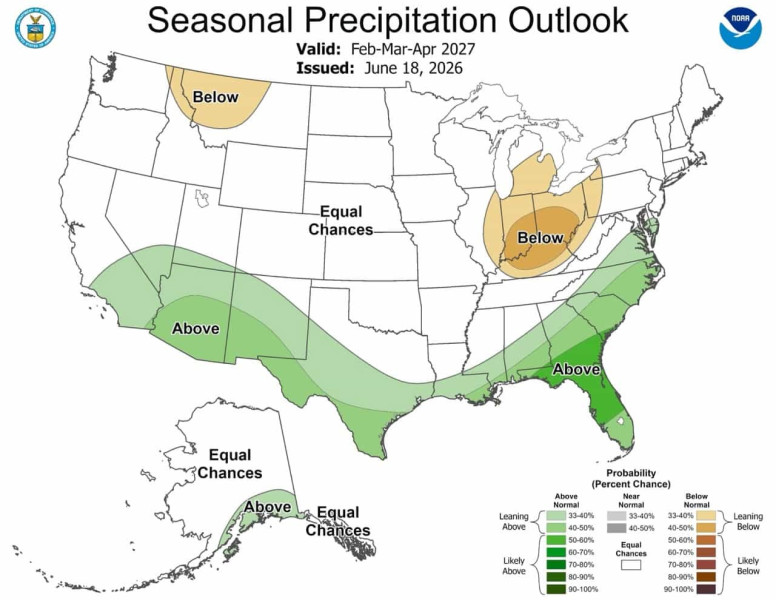
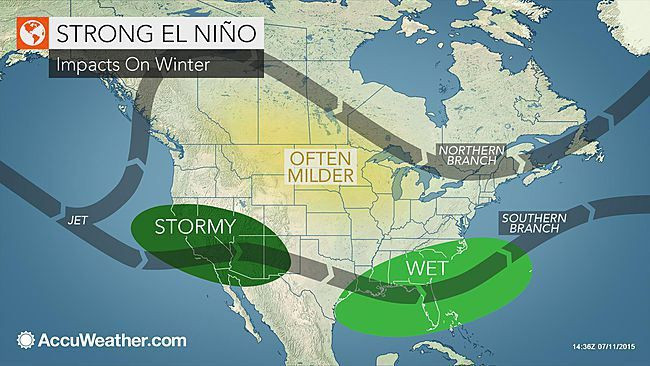
For those in the Gulf Coast and Southeast, the Super El Niño could bring a heightened risk of flood events, as the split-flow pattern is likely to direct more moisture into these regions. In contrast, the northern tier of the United States may experience a milder, drier winter.
In the West, the Super El Niño could mean wetter-than-average conditions, especially along the coasts. This is particularly relevant for states like California, which have seen severe droughts in recent years. The influx of precipitation could bring relief to some areas but also pose challenges in terms of water management and potential flooding.
In the East, the split-flow pattern could result in a more complex winter. While the southern states may see precipitation-cooled temperatures by the end of the season, the northern regions could face a milder winter. This could have significant implications for snowfall predictions and skiing conditions.
Snowfall Predictions: A Complex Picture
The 2026-2027 ski forecast, influenced heavily by the Super El Niño, paints a mixed picture for snow enthusiasts. Areas like the Rocky Mountains and the Pacific Northwest are likely to see increased precipitation, potentially bringing ample snowfall. However, the northern tier, including the Northeast, may face a drier winter, with less snowfall than usual.
For states in the Southeast, the Super El Niño could bring snowfall in unexpected places. The split-flow pattern is likely to direct colder air southward, increasing the chances of winter precipitation and potential snowfall events. — But it's important to note that the Southeast isn't typically primed for heavy snowfall, so even modest accumulations can bring significant disruptions.
In the Midwest, the Super El Niño could result in a mixed bag of weather conditions. While some areas may see increased snowfall, others could experience milder temperatures, leading to less accumulation. The key factor will be the influence of the polar vortex, which could bring sudden cold outbreaks and heavy snowfall in localized areas.
The Polar Vortex: A Wild Card in the Winter Forecast
The polar vortex, a swirling mass of cold air typically contained in the Arctic, is another critical factor in the 2026-2027 winter forecast. The Super El Niño could disrupt this vortex, leading to sudden outbreaks of cold air and heavy snowfall in areas that normally escape the brunt of winter's fury. The disruption could also bring milder temperatures to other regions, creating a complex and unpredictable weather pattern.
In the Great Lakes region, the polar vortex could bring sudden and intense snowstorms, especially if it interacts with the Super El Niño-enhanced moisture. This could lead to significant snowfall and potential disruptions in travel and daily life.
For the Northeast, the polar vortex could mean a mixed bag of weather conditions. While some areas may see increased snowfall, others could experience milder temperatures, leading to less accumulation. The key factor will be the influence of the polar vortex, which could bring sudden cold outbreaks and heavy snowfall in localized areas.
The Super El Niño and its potential to disrupt the polar vortex add an extra layer of complexity to the winter forecast. As meteorologists parse the data, the stakes are high, and the implications are far-reaching. The Super El Niño winter of 2026 is shaping up to be a season of extremes, with each region of the United States bracing for its unique challenges and opportunities.
“The Super El Niño is more than just a weather pattern — it's a climatic phenomenon that can upend the conventional wisdom of seasonal forecasts. This year, the strengthening Super El Niño could set the stage for a winter of extremes.”
How does this story make you feel?
 Up next · ScienceEarthquake Now: Tracking the Latest Tremors in Los Angeles, CA