Beaver Supermoon November Dazzles Skywatchers
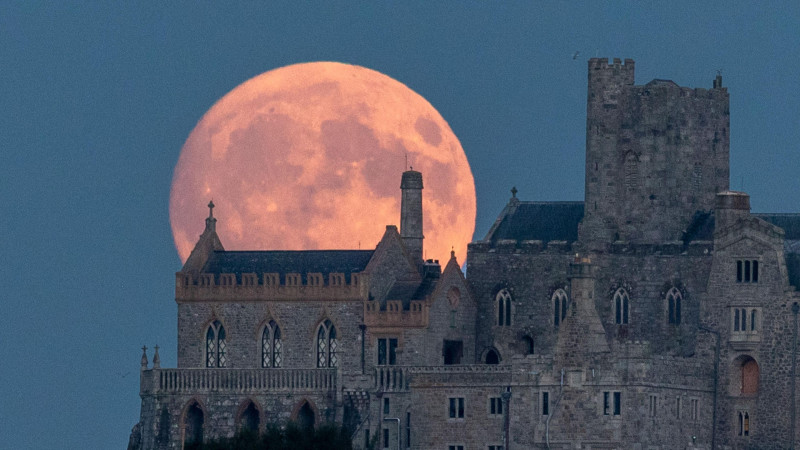
The Beaver Supermoon of 2026 is the first of four supermoons occurring in November.
The Beaver Supermoon and It's Meaning
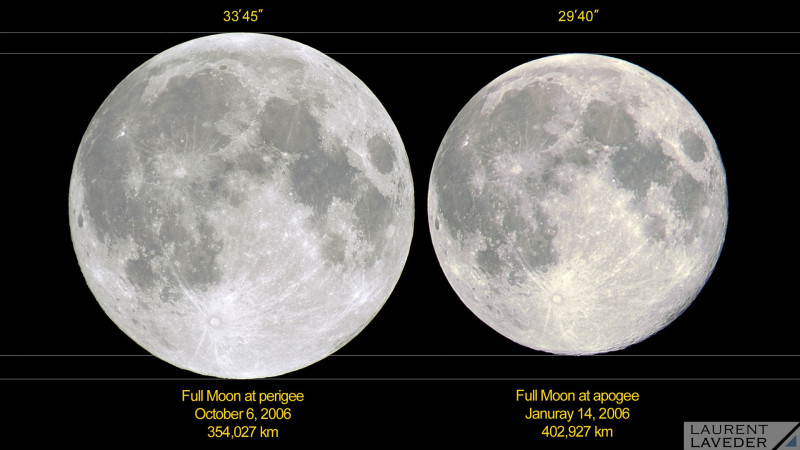
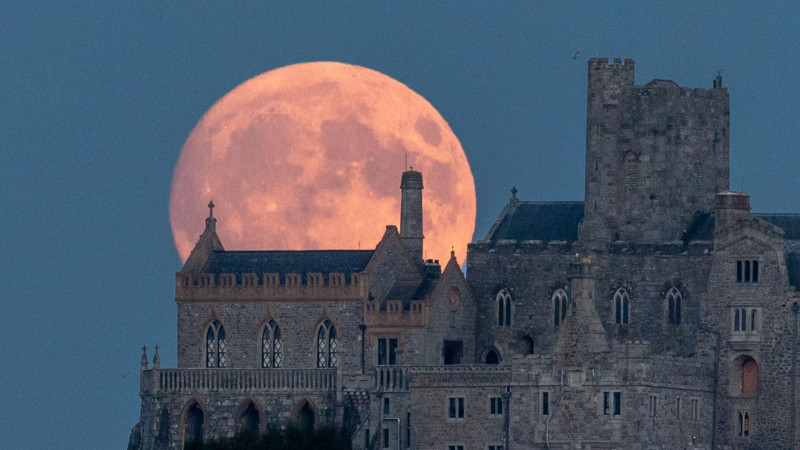
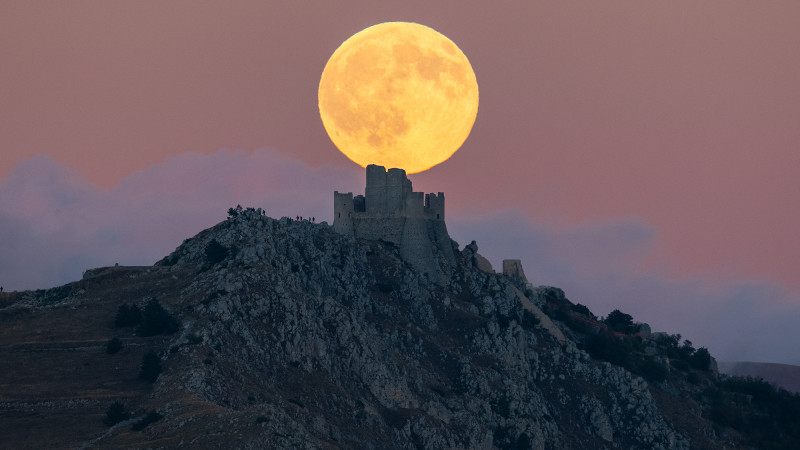
The term "Beaver Moon" is a traditional name for the full moon in November. It is called the Beaver Moon because it signifies the time of year when beavers become more active building their dams in preparation for the winter months. The moon will appear slightly larger and brighter than usual, making it a supermoon. This phenomenon occurs when the full moon coincides with the moon's closest approach to Earth, known as perigee.
Celestial Alignment: Beaver Supermoon and the Seven Sisters
This year, the Beaver Supermoon will be particularly spectacular as it aligns with the Seven Sisters star cluster, also known as the Pleiades star cluster. This alignment will create a stunning visual display in the night sky. The Seven Sisters, a collection of hot, blue stars, are best viewed with the naked eye or a pair of binoculars, offering a breathtaking celestial experience.
Supermoons and Their Impact
The Beaver Supermoon of November 2026 is notable for being the first of four consecutive supermoons. This series of supermoons will continue through the end of the year, with the next one occurring on Christmas Eve. The stronger tidal pull from supermoons could potentially lead to higher tides and flooding in low-lying coastal areas. This phenomenon, known as king tides, can be exacerbated by high winds and storm surges, potentially causing minor flooding in low-lying communities.
This week's Beaver Supermoon will be the first of a series of four consecutive supermoons, which will continue to awe stargazers as they observe the night sky over the coming months.
The full Beaver Moon — the first of four consecutive supermoons — will reach peak illumination soon, offering a stunning celestial show.
How does this story make you feel?
 Up next · ScienceAnthony Black's Weather Radar Prowess: The Latest Local Storm Predictions