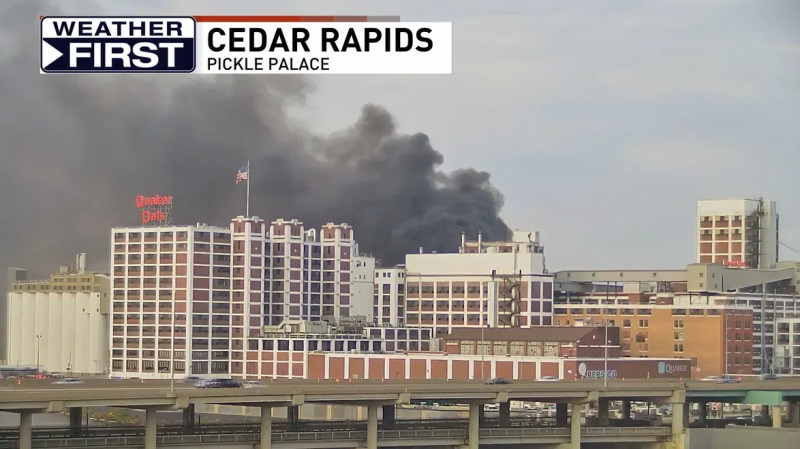
Iowa Ammunition Plant: A Cloud of Controversy and Concern
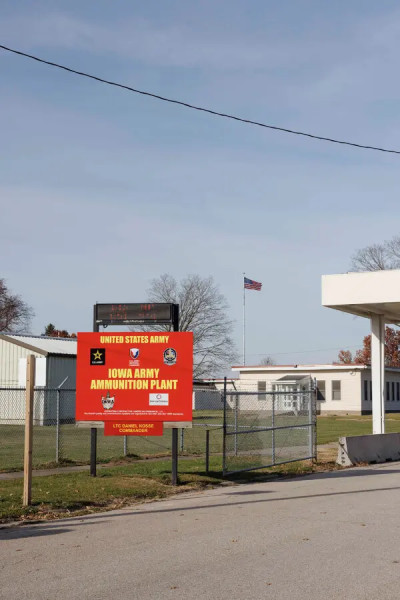
The sky above Middletown, Iowa, is thick with smoke and the air is heavy with anticipation. The U.S. Army detonated the nation's stockpile of lead azide at the Iowa Army Ammunition Plant, causing a massive plume to billow into the sky. The detonation, a controlled explosion, was carried out in recent times due to the unstable nature of the material, which posed a significant risk to both the environment and public health. The lead azide, a crucial component in bomb-making, was at risk of an uncontrollable explosion, prompting the Army to take drastic measures to mitigate the danger.
The Decision to Detonate: A Controversial Move
The decision to detonate the lead azide was not one made lightly. The U.S. Army had been engaged in a back-and-forth battle with politicians and the courts, leading up to the detonation. The lead azide, stored at the Iowa Army Ammunition Plant, had degraded over time, making it highly unstable. According to the Army, the decision was made to prevent an uncontrollable explosion as temperatures dropped, which could have caused widespread devastation. The Army had obtained legal clearance to proceed with the detonation, but not without significant controversy.
Residents of the surrounding area were sent alerts to shelter in place as a precautionary measure, adding to the tension. The U.S. Army had released maps showing the projected path of the toxic dust plume, which was expected to move through nearby communities. Despite the precautions, some residents expressed frustration and concern about the potential health and environmental impacts.
The Detonation: A Controlled Explosion with Uncertain Outcomes
The detonation took place in a controlled manner, with two controlled explosions set off to ensure the safe disposal of the lead azide. Immediately after the blasts, federal officials reported that preliminary air quality tests found "zero" levels of airborne lead in the surrounding area. However, the long-term effects of the explosion remain uncertain, and some experts caution that the lead dust could still pose a health risk, as it is a known carcinogen.
According to Lori McFate, Public and Congressional Affairs Specialist at the Army Sustainment Command, the detonation was carried out with the utmost care to mitigate any potential risks. "The Army has taken every precaution to ensure the safety of the public and the environment. We have been working closely with federal and state agencies to monitor the situation and address any concerns that may arise," McFate stated. She also emphasized that the Army's actions were in line with federal guidelines and regulations, ensuring compliance with all necessary protocols.
The detonation was a dramatic and jarring sight, with drones capturing footage of the smoke rising from the site of the ammunition plant. The controlled explosion, while necessary, has left the community on edge, with residents wondering about the potential health impacts and the long-term effects on the environment. Residents have reported seeing the smoke drifting through the air, and there are fears that the toxic dust could still pose a risk even after the initial tests showed zero airborne lead.
Resident Reactions and Ongoing Concerns
In the aftermath of the detonation, residents of the nearby towns expressed a mix of relief and lingering concern. "I'm relieved that the Army got rid of the lead azide, but I can't help but worry about the dust and what it might mean for our health," said a local resident who chose to remain anonymous. The detonation was a critical step in mitigating the immediate danger posed by the unstable lead azide, but it has also raised questions about the broader implications for the community. The Army's actions have been met with both praise and criticism, with some residents expressing gratitude for the swift action taken to prevent a catastrophic explosion. Others are wary of the potential long-term effects on the environment and public health.
"This is a controlled environment, but it feels anything but safe to me," said another resident. The Army's assurances and the preliminary test results have done little to ease the concerns of the community, as residents continue to grapple with the uncertainty of the situation. The detonation has left a tangible mark on the landscape, and the emotional impact on the community is palpable. The smoke has dissipated, but the lingering questions and worries remain.
The U.S. Army's decision to detonate the lead azide was a necessary but controversial move, driven by the need to prevent a catastrophic explosion and mitigate potential hazards. The controlled detonation, while successful in its immediate objectives, has left the community in a state of uncertainty, with ongoing concerns about the health and environmental impacts. As the smoke clears, the community is left to ponder the long-term effects of the detonation and the broader implications for public safety and environmental health. The Army has taken steps to address the immediate risks, but the lingering questions and concerns are sure to persist for some time. The military had released maps showing the projected path of a toxic dust plume, which was expected to move through communities in southeastern Iowa, adding to the complexity of the situation
How does this story make you feel?
 Up next · PoliticsTurkey Trot Turmoil: Thanksgiving Travel Chaos in New Jersey Amid State of Emergency