Massive Backlogs and Unprecedented Wait Times at Canada–United States Border Crossings
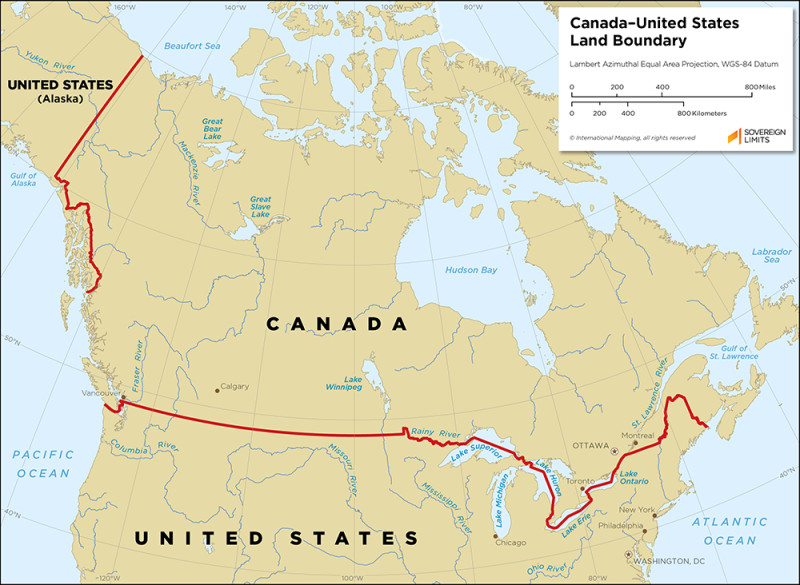
In the fluorescent glare of the briefing room, a CBSA (Canada Border Services Agency) spokesperson, Johnathan Thompson, delivers the latest news: the Canada–United States border is under unprecedented strain, with wait times skyrocketing to record levels recently. The border between these two nations, known for its seamless movement of people and goods, is now a scene of congestion and delays that are causing significant disruptions — from frustrated commuters to delayed shipments, the ripple effects are felt far and wide.
The Current Crisis: Border Crossings Under Siege
In recent months, the Canada–United States border has faced a series of challenges, with wait times at border crossings soaring to record levels. The escalating delays are due to a combination of factors, including increased traffic, staffing shortages, and enhanced security measures. According to BorderWait.today, real-time data shows that wait times at some of the busiest land crossings, such as Detroit-Windsor and Buffalo-Niagara Falls, have surged to over four hours — a staggering increase from the typical 30-minute wait times.
The crisis is palpable at these critical points. In particular, the Buffalo-Niagara Falls crossing has become a hotspot for delays, where drivers often face gridlock. The scene is one of bumper-to-bumper traffic, with drivers honking impatiently as they inch forward, edging closer to the border agents. The hum of phones buzzing in pockets as tired commuters check the time, only to see the minutes ticking away.
On the other side, in Detroit-Windsor, a similar picture emerges. Frustrated travelers are left waiting in their vehicles under the harsh summer sun, desperately hoping for a swift passage. The situation is exacerbated by the fact that these crossings are among the busiest in North America, handling thousands of vehicles daily.
The Human Toll: Stories from the Front Lines
Johnathan Thompson, a spokesperson for the CBSA, underscores the human cost of these delays. "The impact on travelers and local economies is profound," he says. "People are missing flights, appointments, and even important family events due to these excessive wait times." This sentiment is echoed by commuters like Sarah Miller, who crosses the border daily for work. "It's a nightmare," Miller says, her voice tinged with frustration. "Some days, it takes so long to cross that I barely have time to get to work." — The CBSA spokesperson, Johnathan Thompson emphasizes the broader implications of these disruptions, highlighting how the delays affect not just individual travelers but the economies of border communities as well. "Local businesses are feeling the pinch," he notes, "as goods and services are delayed, and tourists are deterred by the long waits at the border."
To make matters worse, the border congestion is causing a ripple effect on local infrastructure. Hospitals and emergency services in border towns are reporting an increase in incidents related to extended wait times. Drivers, already stressed by the delays, are more prone to accidents and health issues, adding to the strain on local resources. The situation is further complicated by the fact that border towns often lack the infrastructure to handle such surges in traffic and emergencies, making the wait times a double-edged sword that cuts deeply into the fabric of daily life.
Coping Strategies and Future Outlook
In response to the crisis, authorities are exploring various measures. The CBSA and CBP (U.S. Customs and Border Protection) have announced plans to increase staffing and implement new technology to expedite the screening process. These efforts include the deployment of additional agents, the installation of advanced screening equipment, and the expansion of trusted traveler programs like NEXUS, which allows pre-approved travelers to use dedicated lanes with reduced wait times.
The CBSA has also launched a public awareness campaign to educate travelers about the current situation and provide real-time updates on wait times through platforms like BorderWait.today and live camera feeds. This initiative aims to help travelers plan their journeys better and mitigate the impact of delays on their daily lives.
Despite these efforts, the future of the Canada–United States border remains uncertain. While there are glimmers of hope, the underlying issues are complex and multifaceted. The border, a lifeline for millions of people and a critical artery for trade, is under immense pressure. The ongoing challenges highlight the need for a comprehensive, long-term strategy to manage border crossings effectively and ensure the smooth flow of people and goods. The situation is one where every second counts, and the stakes are higher than ever.
Visit borderwait.today for more information on the current wait times and to stay updated on the latest developments. As the situation evolves, one thing is clear: the Canada–United States border is at a pivotal moment, and the actions taken now will shape its future.
How does this story make you feel?
 Up next · WorldStrong Quake Rattles Los Angeles