Shaken to the Core: Recent Earthquakes Rattle California
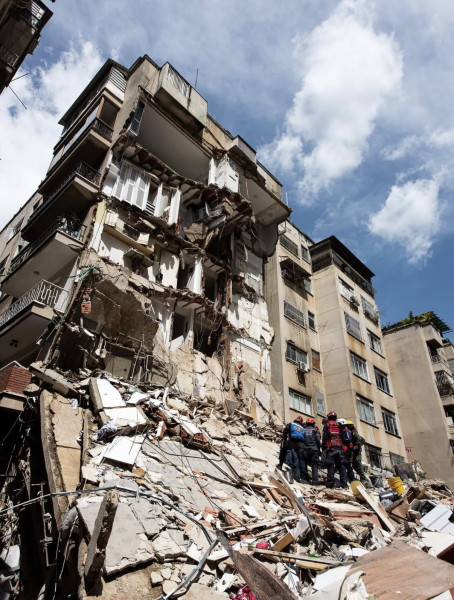
The earth beneath our feet is never as stable as it seems. While the world awakes to a new day, the ground beneath California has been anything but still. Earthquakes, a reality of life in this region, have been particularly prominent recently, with seismic activity raising concerns and curiosity.
Fault Lines and Tremors: The Current Seismic Landscape of California
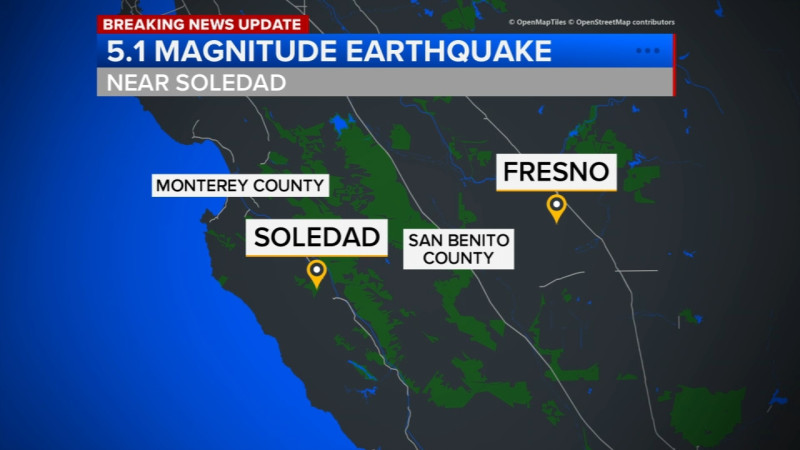
California has always been a hotbed for seismic activity due to its location along the Pacific Ring of Fire. Seismic data shows that the state has experienced a significant number of earthquakes recently. As of the latest data, 197 earthquakes have occurred in the past 24 hours, with 862 recorded in the last seven days, and 2,957 in the last 30 days. The strongest recent earthquake was a magnitude 5.1 quake near Santa Monica Bay. This level of activity is a stark reminder of the ever-present threat of earthquakes in the region.
Shocks and Aftershocks: Tracking Earthquakes in Real-Time
Tracking seismic activity is crucial for understanding the patterns and impacts of earthquakes. Live maps and real-time updates provide a crystal-clear picture of the ongoing seismic activity. These tools, updated every minute from the USGS Earthquake Hazards Program, help residents stay informed about the latest tremors. For instance, the LiveQuakes platform offers a comprehensive view of earthquakes in California, allowing users to filter by magnitude and time, see felt reports, and share information about any quake. This real-time data is invaluable for both immediate safety and long-term preparedness.
California's Seismic Vulnerability: Understanding the Risks
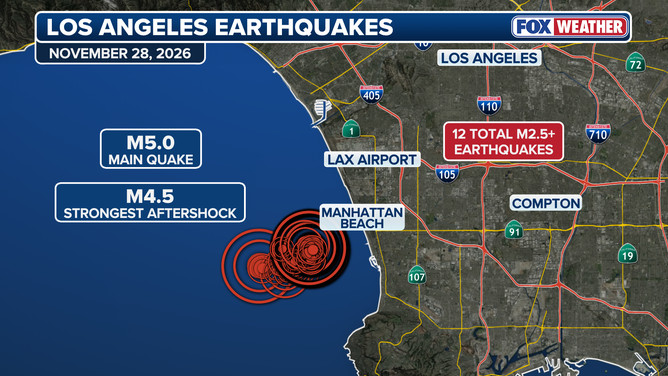
California's proximity to the San Andreas Fault, one of the most active fault lines in the world, makes it particularly vulnerable to earthquakes. This fault, along with others, contributes to the state’s high earthquake risk in the continental United States. The state has recorded over 500 earthquakes in 2026 so far, highlighting the continuous nature of seismic activity. According to SeismoWatch, the largest recent earthquake was a magnitude 5.0 near Manhattan Beach, felt by 28,635 people. This underscores the widespread impact of even moderate earthquakes in densely populated areas.
“The ground beneath California is a restless patchwork of tectonic plates, constantly shifting and adjusting, making it one of the most active seismic regions in the world,” says Dr. Jane Thompson, a leading seismologist.
The ongoing seismic activity in California underscores the importance of preparedness and vigilance. As residents and authorities continue to monitor the situation, the question remains: how will the state adapt and prepare for future seismic events, and what can be learned from the recent tremors?
How does this story make you feel?
 Up next · ScienceTemblor Hoy in California: Latest Updates on Recent Earthquake Activity