U.S. Forces Face Drone Threat at RAF Lakenheath, Countermeasures Deployed
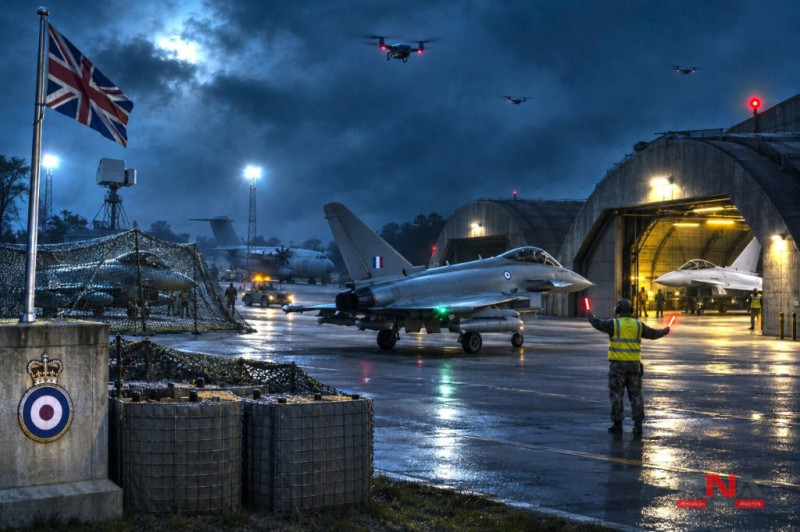
A tense security drama unfolded recently at RAF Lakenheath, a U.S. military base in Suffolk, where drones swarmed the skies in an unprecedented incident. The base, typically a bastion of American and British military cooperation, found itself in the eye of a storm with the drone incursions. This is part of a broader issue of U.S. military installations facing new and unpredictable threats in the UK.
Drone Swarms Over RAF Lakenheath: The Latest Attack
In a recent incident, a security alert was triggered at RAF Lakenheath, urging U.S. personnel to shelter in place. Around six drones were detected in the vicinity, leading to the deployment of unspecified counter-unmanned aerial systems (UAS) defense measures. The drones, suspected to be involved in unauthorised activity, were repelled but not recovered, leaving the base on high alert. This incident is one of several recent threats to U.S. bases in the UK, including RAF Mildenhall, which saw aircraft relocation due to similar threats.
Countermeasures and Suspected Involvement
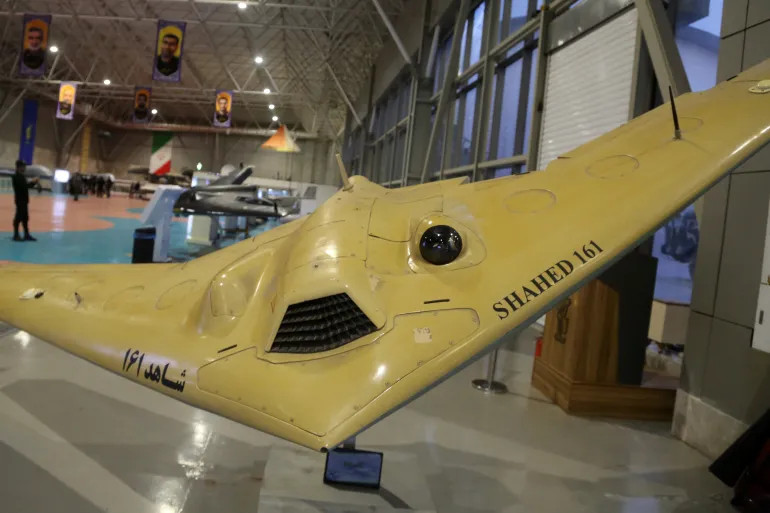
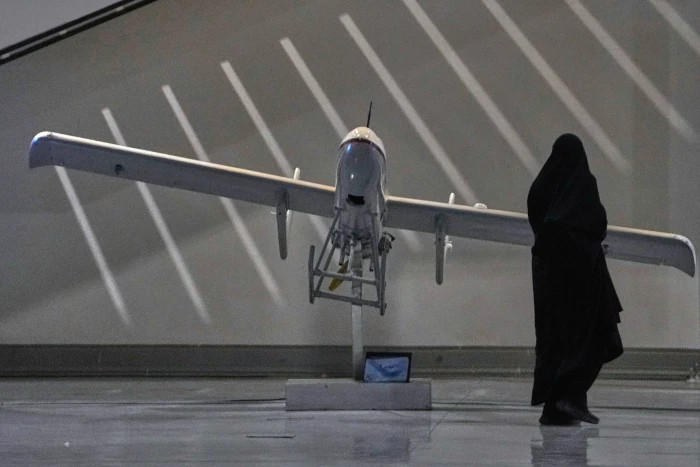
The U.S. Air Force responded swiftly, using advanced counter-drone technology to repel the airborne intruders. The nature of the drones and the technology used to counter them remain classified, but reports suggest a sophisticated response was necessary. The incident raises critical questions about the security of U.S. military installations in the UK and the evolving nature of modern threats. Iran has been named as a potential suspect in this incident.
This incident is not isolated. Just days prior, another U.S. base in eastern England faced a similar threat, prompting the relocation of aircraft to enhance security. The coordinated effort to repel the drones underscores the heightened vigilance required in an era where unmanned aerial vehicles (UAVs) are increasingly used for both military and civilian purposes.
“The use of drones in this manner highlights the need for robust and adaptable defense systems,” noted a Security Analyst. “These incidents are a wake-up call for all military installations to enhance their counter-drone capabilities and preparedness.”
The Ministry of Defence spokesperson said: "We are coordinating with all relevant parties regarding reports of unauthorised drone activity at RAF Lakenheath this evening,".
The Evolving Threat of Drone Warfare
This drone intrusion at RAF Lakenheath highlights the more significant challenge of drone warfare: how to secure bases and installations from an increasingly diverse and sophisticated array of threats. The potential for drones to be used in both offensive and defensive roles means that the very nature of conflict is changing. This was a wake-up call for military strategy and technology, pushing the boundaries of what is possible in modern warfare.
Think again, for a moment, about what drones could represent in the future. Gone are the days when traditional air defenses were enough. This is a new frontier, one where the sky is no longer the limit. The RAF Lakenheath incident is a stark reminder of the challenges that lie ahead for military forces worldwide. As the world watches, the tactics and technologies used in this incident will likely shape the future of military defense against UAVs. The question remains: are our defenses ready for the next wave of airborne threats? History has shown that the evolution of warfare often catches us off guard. Consider the Blitz, the unexpected aerial bombardment that changed the face of World War II. RAF Lakenheath is part of a continuous military history: will this incident lead to a similar shift in how we approach air defense?
How does this story make you feel?
 Up next · WorldDenver Braces for Winter Storm as Heavy Snowfall Alerts Blanket the City