The Spanish Political Chessboard: Right-Wing Ascendancy in Spain's 2026 Election
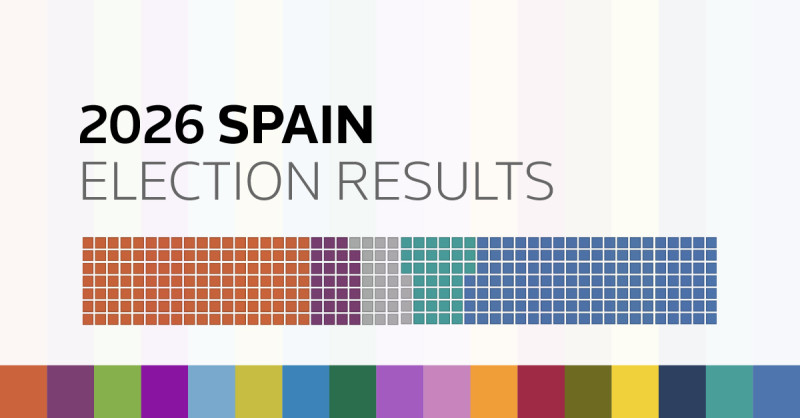
Spain's political chessboard has shifted dramatically in recent times. The country's voters have spoken, delivering a complex and contentious outcome in the elecciones españa 2026 that has left many pondering the future trajectory of the nation. The election, called by the Socialist prime minister, Pedro Sánchez, saw a resounding victory for the conservative People's Party (PP) but with a crucial twist: the far-right Vox party's significant influence
PP's Victory and the Far-Right Factor
The elecciones españa 2026 has been a rollercoaster ride with the PP emerging as the clear victor, securing the most seats in the Congress of Deputies. This victory comes on the heels of a contentious campaign that highlighted key issues such as Spain's housing crisis and immigration reform. With 184 of 350 seats, the PP and Vox hold a commanding majority, just eight seats above the threshold required to form a government, and will likely need to ally to govern effectively. This dynamic signals a potential shift in Spain's political landscape, where the far-right influence is undeniable. The PP's leader, Alberto Núñez Feijóo, has expressed his intent to form a stable government, though the process will not be without its challenges, especially given the ideological differences between the two parties.
The election also underscores the growing influence of the far-right Vox party, which has capitalized on voter discontent over economic and social issues. This alliance could reshape Spain's policy direction, particularly in areas such as immigration and housing, where the PP and Vox have starkly different views. The PP, traditionally conservative, has been more moderate in its approach, while Vox has advocated for stricter immigration policies and more radical housing reforms.
The rise of the far-right in Spain mirrors a broader trend seen in other European countries, where populist and nationalist sentiments are gaining traction. For Spain, this shift raises questions about the future of its democratic institutions and the balance between national sovereignty and European integration. The elecciones españa 2026 has brought to the forefront the complexities of coalition-building in a multi-party system, where ideological compromises are essential for governance.
The Housing Crisis: A Key Election Issue
The elecciones españa 2026 was marked by a series of key issues, but none more pressing than Spain's housing crisis. The housing crisis has been a long-standing issue, with skyrocketing rents and home prices making it increasingly difficult for many Spaniards to afford a place to live. This crisis has disproportionately affected younger generations, who are finding it harder to enter the housing market. The PP and Vox have both proposed different solutions, with the PP focusing on market-based reforms and Vox advocating for more stringent regulations and subsidies.
The election results reflect a growing disillusionment with the current housing policies, which have failed to provide a comprehensive solution. The PP's victory suggests that voters are looking for a more decisive approach to address the housing crisis. The PP has proposed measures such as increasing the supply of affordable housing and introducing rent control mechanisms. However, these proposals have been met with skepticism, given the party's historical stance on market liberalization.
The PP's alliance with Vox could complicate matters further, as Vox has pushed for more radical solutions, including nationalizing certain sectors of the housing market and providing subsidies to low-income families. This ideological clash within the coalition could lead to policy paralysis, making it challenging to implement effective housing reforms. The elecciones españa 2026 has highlighted the need for a more cohesive and long-term strategy to address the housing crisis, one that balances market forces with social needs.
Immigration: A Contentious Issue
Immigration has been another hot-button issue in the elecciones españa 2026, with the PP and Vox taking divergent stances. The PP has advocated for a more controlled and regulated approach to immigration, focusing on economic benefits and border security. In contrast, Vox has called for stricter measures, including reduced immigration quotas and tougher enforcement of existing laws.
Pedro Sánchez, the Socialist prime minister, was re-elected as the PM after the 2023 Spanish general election. However, the 2026 election has seen his party losing to PP. The election outcome suggests a growing sentiment among voters for a more hardline approach to immigration, reflecting broader European trends toward stricter immigration policies. Despite this, the PP's alliance with Vox could lead to a more nuanced policy, as the two parties attempt to balance their differing views on immigration.
“The election results reflect a growing disillusionment with the current immigration policies, which have been seen as too lenient by many voters.”
“The election results reflect a growing disillusionment with the current immigration policies, which have been seen as too lenient by many voters.”This sentiment is echoed by political analysts who argue that the election results signal a shift in voter priorities, with a greater focus on national security and economic stability. The elecciones españa 2026 has brought immigration to the forefront of the political agenda, making it a key issue for the incoming government.
The complex interplay between the PP and Vox on immigration will be crucial in shaping Spain's future policies. The two parties will need to navigate their ideological differences to present a united front on this contentious issue. The future of Spain's immigration policy remains uncertain, but it is clear that the elecciones españa 2026 has set the stage for a more rigorous and regulated approach.
As Spain grapples with the aftermath of the elecciones españa 2026, one question lingers: What kind of Spain will emerge from this political chessboard? How will the PP and Vox navigate their ideological differences to address the pressing issues of housing and immigration? And, most importantly, will the country's democratic institutions remain resilient in the face of these challenges?
How does this story make you feel?
 Up next · PoliticsSpain's Political Landscape Shift: Right-Wing Victory in Snap Election