Understanding Influenza Flu Symptoms and the New Subclade K Strain
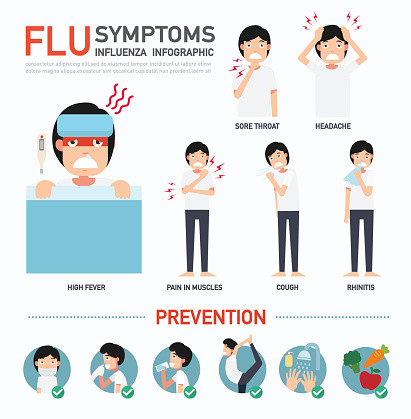
The influenza virus, commonly known as the flu, is a significant public health concern, especially with the emergence of new strains like the recently identified subclade K. As we navigate through another flu season, understanding the symptoms and the unique characteristics of this new strain is crucial for early detection and effective treatment.
The subclade K variant, a mutation of the influenza A (H3N2) virus, has garnered attention due to its severity and rapid spread. This strain, also dubbed the "super flu," is causing concern among health officials and the public alike. The symptoms of subclade K are similar to those of other flu symptoms, but the intensity and impact can be more pronounced. High fever, severe body aches, extreme fatigue, persistent cough, sore throat, and intense headaches are common.
Given the flu symptoms associated with subclade K, it is essential to recognize the signs early. The H3N2 strain, of which subclade K is a part, is notorious for causing more severe symptoms, particularly in older adults. The rapid spread of this variant has already led to a surge in flu cases, with New York's health department reporting the highest number of cases in a single week since 2004.
To stay protected, health experts recommend vaccination, as it remains one of the most effective ways to mitigate the risks associated with this severe flu strain. Understanding the nature of the influenza flu symptoms and the specific characteristics of subclade K can help individuals take proactive measures to protect themselves and their loved ones during this flu season.
In summary, while the influenza virus is always evolving, being informed about the latest strain, subclade K, and its symptoms can make a significant difference in managing the flu this season. Stay vigilant, get vaccinated, and stay informed to navigate this flu season safely.
How does this story make you feel?
 Up next · HealthNew CDC Vaccine Schedule: A Paradigm Shift in Childhood Immunization