As the Iranian-Israeli war enters its critical second week, the world braces for the escalating Iran-Israel war. With concerns over a global energy crisis looming, the U.S. and Israeli forces have intensified their bombing campaign, targeting Iranian airports, oil depots, and military bases. The situation has become increasingly volatile, with Iran escalating its retaliatory strikes, aiming at U.S. interests and targets inside Israel. Here's what we know so far.
The Escalation of Confrontations
The conflict has rapidly evolved, with the U.S. and Israel launching their second day of attacks against Iran. This intensification comes as the world watches with bated breath, worried about the potential for a broader regional war. The Iranian government, in response, has stepped up its retaliatory measures, targeting U.S. interests in neighboring countries and within Israel itself. The conflict has kicked off a series of bombings that began early Saturday morning, marking a significant escalation in the ongoing Middle East crisis.
A key point of contention is the Iranian threat to disrupt the global oil supply. With Iran threatening to blow up tankers in the Strait of Hormuz, the world’s energy market is under immense pressure. The U.S. has swiftly retaliated by striking at the heart of Iran’s critical oil hub, further intensifying the conflict. President Trump has indicated that the U.S. is prepared to take additional military action if necessary, which could further escalate the crisis.
Geopolitical Repercussions and Global Implications
As the conflict continues, the geopolitical repercussions are becoming increasingly apparent. The U.S. and Israel’s coordinated strikes against Iranian targets are not just military operations but are also part of a broader strategy aimed at curbing Iran’s regional influence. The Iranians have vowed to retaliate more aggressively, which could lead to a prolonged and potentially more devastating conflict. This situation is fraught with risks, as any miscalculation could draw other regional powers into the fray.
Rep. Mike Turner, a Republican from Ohio, has warned that Iran posed a significant threat to the U.S. and Israel even before the recent military actions. He emphasized that the current conflict was a result of long-standing tensions and that the U.S. and Israel had no choice but to act decisively. This perspective underscores the complexity of the conflict and the long-term strategic considerations at play. Despite the escalation of hostilities, there is a growing call for diplomatic efforts to prevent further escalation and to bring the parties to the negotiating table.
However, let's not kid ourselves, the humanitarian cost of this conflict is already immense. Civilian casualties are rising, and the infrastructure of affected regions is being decimated. The UN has warned of a potential refugee crisis, as hundreds of thousands of people are displaced by the fighting. The data is damning, and the international community must act swiftly to mitigate the suffering of innocent civilians caught in the crossfire, especially in Iran.
One counter-argument is that the military response might not be the best approach. Some analysts suggest that a more nuanced diplomatic strategy could have prevented the current escalation. They argue that dialogue and negotiations, rather than military action, could have addressed the underlying issues and prevented the current crisis. While this perspective has merit, it remains to be seen whether such an approach would have been effective given Iran’s history of brinkmanship and the U.S. and Israel's security concerns.
The Role of Media and Public Perception
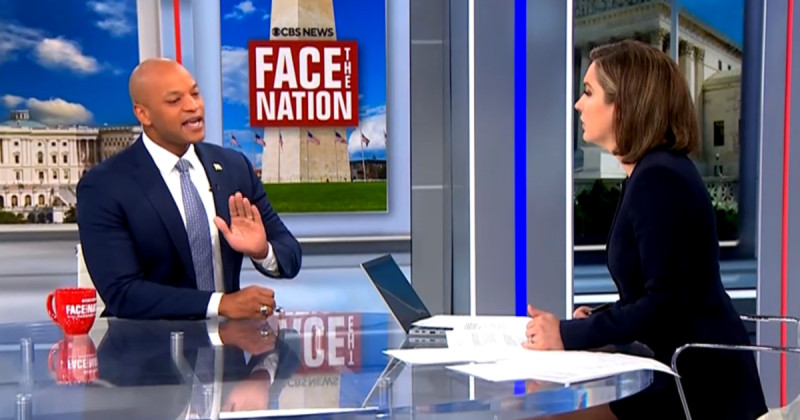
Media coverage has played a pivotal role in shaping public perception of the Iran-Israel war. Programs like "Face the Nation with Margaret Brennan" have provided critical insights into the evolving situation, featuring discussions with key figures such as Iranian Foreign Minister Abbas Araghchi and Rep. Dan Crenshaw. These discussions have highlighted the complexities of the conflict and the strategic considerations driving the actions of all parties involved. As the world watches and waits, the media continues to be a crucial source of information, providing updates and analysis that help the public understand the unfolding crisis.
Here’s what nobody’s asking: what are the long-term implications of this conflict on global security? How will the international community respond to the potential for a broader regional war, and what measures can be taken to prevent further escalation? These are the questions that need to be addressed urgently to ensure that the conflict does not spiral out of control.
The Iran-Israel war has once again brought the Middle East to the brink of a catastrophic conflict. The situation is evolving rapidly, and the world must be prepared for the potential consequences. As the conflict enters its second week, the need for a diplomatic solution becomes increasingly urgent. The global community must come together to support efforts aimed at de-escalating the situation and preventing further bloodshed. It is crucial that all parties involved recognize the grave risks and work towards a peaceful resolution. The future of the region and the world depends on it. The stakes could not be higher, and the time for decisive action is now.
“The world has witnessed the tragic consequences of war far too many times. It is incumbent upon us to do everything in our power to prevent this conflict from spiraling into a broader regional war.” — Amir-Saeid Iravani, Iran’s ambassador to the United Nations, June 2025.