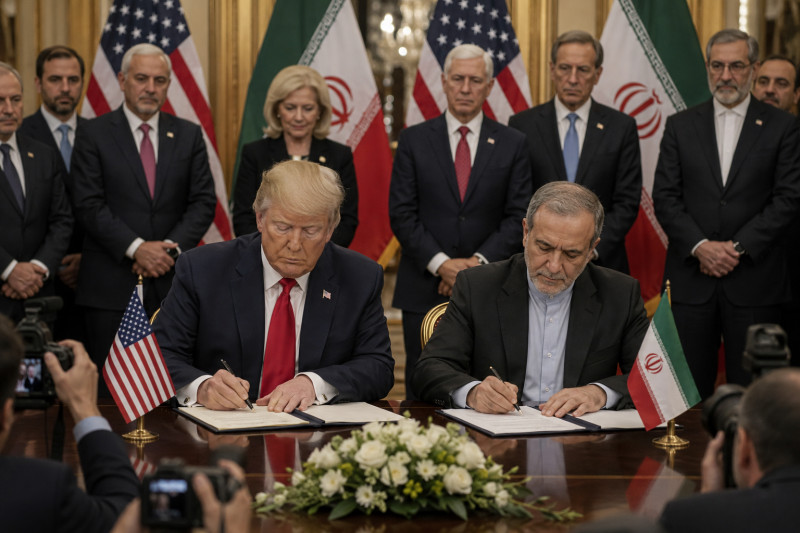
Donald Trump's Ever-Changing Iran War Narrative
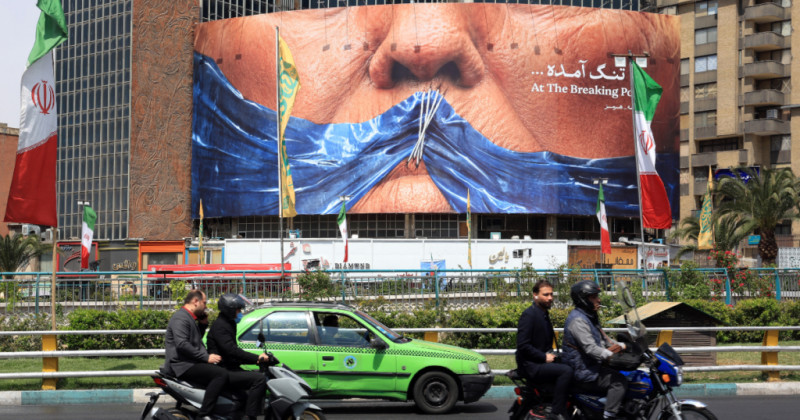
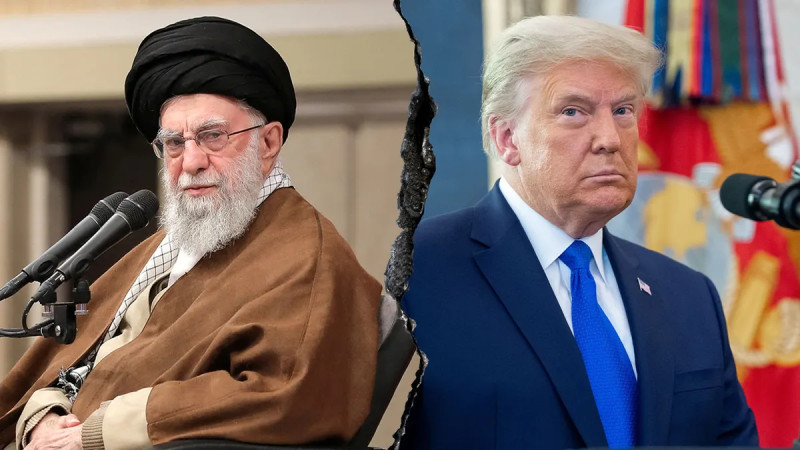
It’s been nearly a decade since Donald Trump first took the reins of U.S. foreign policy, and the Iran War narrative remains a puzzle. Trump’s posture towards Iran has oscillated between belligerence and accommodation, and as of 2026, the landscape is as murky as ever. Here’s the deal: Trump’s rhetoric has shifted, and so has the battlefield. The U.S. is back on the offensive, and Iran is pushing back harder than ever.
The Iran War: A Timeline of Trump’s Evolving Threats
From the outset, Trump’s approach to Iran has been marked by a drumbeat of threats and shifting explanations. In the twilight of his presidency, Trump has repeatedly hinted at a "massive attack" against Iran, often framed as a decisive, game-changing move. The reality, however, is far more nuanced.
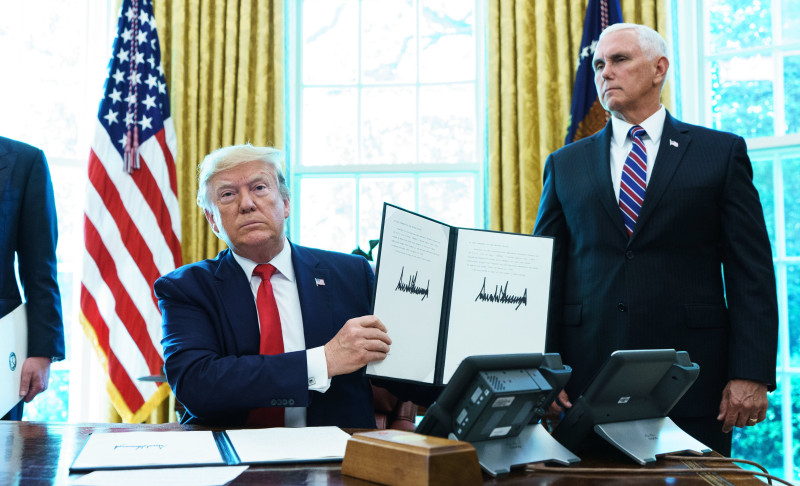
The spark for this latest escalation traces back to Trump’s first term, when he famously declared that the Iran deal was a "terrible" and "one-sided" mistake. He ripped up the deal, and tensions began to rise. By 2026, the rhetoric had reached a fever pitch. Trump’s administration offered various explanations for its military action, ranging from countering Iran's cyber-attacks to protecting regional allies. The justifications, however, have been as fluid as the conflict itself.
Let’s not forget the political theater. Trump has been known to declare the war “almost over” multiple times, only to follow up with more threats of military action. This dance of escalation and de-escalation has left many analysts scratching their heads.
Domestic Politics and the Iran War*
As the conflict drags on, the political fallout at home is getting more acerbic. Trump’s Iran War has faced significant backlash, even within his own party. Recently, House Republicans joined forces with Democrats to pass a resolution blocking further U.S. military action against Iran, a rare show of bipartisanship in a deeply divided political landscape.
So, what’s the takeaway? Trump’s Iran War has become a political albatross, dragging down his approval ratings and polarizing his base. The question remains: How long can this go on? Will the American public tolerate an indefinite conflict with Iran? And, perhaps most crucially, what does this mean for the broader Middle East? The geopolitical stakes are sky-high, and the answers, as of now, are far from clear.
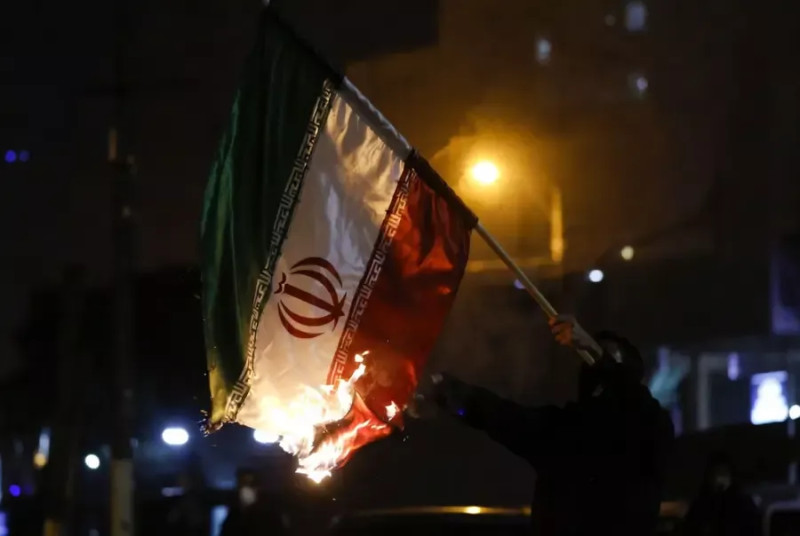
Look, it’s not just the shifting narratives or the political optics. The reality on the ground in Iran is dire. The conflict has taken a toll on both sides, with civilian casualties rising and economic sanctions crippling Iran’s infrastructure. And then — get this — the U.S. has been drawn deeper into the quagmire, with no end in sight.
The Future of the Iran War and its Global Implications
So, where do we go from here? Trump’s rhetoric continues to be a wild ride, with threats of decisive military action often followed by calls for diplomacy. The reality is far more complex. The U.S. is in a stalemate, and Iran shows no signs of backing down. The Iran War has become a proxy for broader geopolitical tensions, with regional powers like Israel and Saudi Arabia playing key roles.
One thing’s for sure: the Iran War is far from over. As the conflict enters a new phase, the world watches with bated breath. Will Trump’s military strategy pay off, or will the Iran War continue to be a thorn in his side, both domestically and internationally? And, perhaps the most pressing question of all: how will the broader international community respond to this escalating conflict? The stakes are high, and the world is waiting for answers.
The Iran War continues to be a defining aspect of Trump's presidency, a tangled web of political maneuvering, military strategy, and diplomatic brinkmanship. As the conflict enters a new phase, the world watches with bated breath. There’s a lot at stake, and the answers are nowhere to be found.
How does this story make you feel?
 Up next · PoliticsJames Comey's Seashells Saga: A Legal Storm over Social Media Speech