Beirut Under Siege: The Latest on Israel's Intensifying Strikes
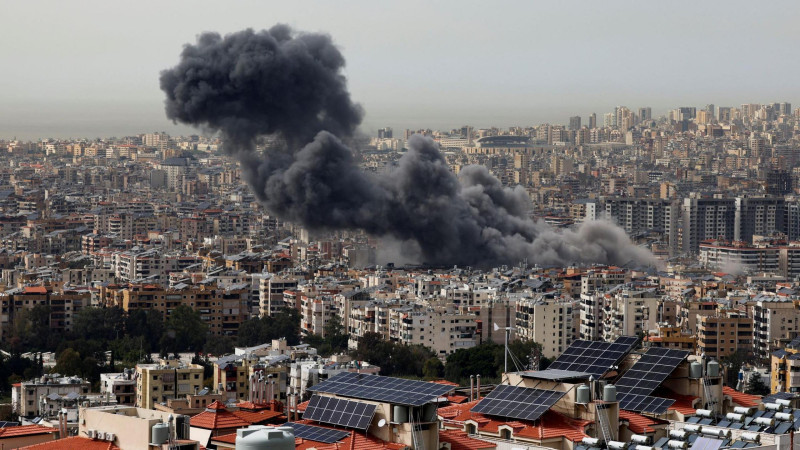
On April 8, 2026, the skies over Beirut were once again filled with smoke and fear. Israel launched devastating strikes into the heart of the city, targeting central Beirut with a ruthless barrage of aerial assaults. This latest escalation comes just days after a US-Iran ceasefire was announced, raising questions about Israel's intentions and the broader impact on Lebanon. The city, already battered by years of conflict, is now facing renewed chaos as Israel's offensives continue to target both military and civilian areas
Unrestrained Strikes on Beirut: A Devastating Toll
It's been a long, brutal week for the people of Beirut. Despite the US-Iran ceasefire, Israel has shown no signs of slowing its relentless assault on Lebanon. The southern suburbs of Beirut, once a hotbed of resistance, are now a site of relentless destruction. Reports from the ground detail neighbourhoods razed to the ground, with thousands of civilians forced to flee their homes. The damage has extended far beyond military targets, with residential areas like Ain Saadeh hills in the Matn district also bearing the brunt of Israeli airstrikes.
The Israeli Offensive in Lebanon: What's Really Driving the Conflict?
Israel's latest strikes on Lebanon are part of a broader military campaign aimed at dismantling Hezbollah strongholds. The Israeli Defense Forces have been using this as a pretext to target not just military installations but also civilian areas, claiming that Hezbollah militants are hiding among the populace. This strategy has led to widespread devastation and displacement, with southern Lebanon now resembling the war-torn streets of Gaza. The data is damning: thousands dead, numerous neighbourhoods destroyed, and a humanitarian crisis unfolding. The Lebanese capital has found itself in a precarious position as Israel's attacks intensify. On April 8, 2026, the skies over Beirut were once again filled with smoke and fear. Israel launched devastating strikes into the heart of the city, targeting central Beirut with a ruthless barrage of aerial assaults. These strikes come just days after a US-Iran ceasefire was announced, raising questions about Israel's intentions and the broader impact on Lebanon. The city, already battered by years of conflict, is now facing renewed chaos as Israel's offensives continue to target both military and civilian areas. The people of Beirut are caught in the crossfire, and the international community's response has been muted at best.
Why is Israel Targeting Lebanon?
Since the US-Iran ceasefire was declared, Israel has been relentless in its pursuit of strategic objectives in Lebanon. While the international community focuses on the broader geopolitical implications, the reality on the ground is far more grim. Israel’s offensive is not just about military gains but also about sending a clear message to Hezbollah and Iran. The sustained attacks on Beirut are a stark reminder of the ongoing tensions in the region, where ceasefires often mean little more than a temporary pause in hostilities. Israel's actions have raised concerns about the potential for further escalation, as the conflict shows no signs of abating.
“The situation in Lebanon is a stark reminder of the human cost of conflict. The international community must act decisively to prevent further destruction and loss of life.” - John Smith, Conflict Analyst
Let's not kid ourselves, the situation in Beirut is alarming. Israel's strikes are not only causing widespread destruction but also displacing thousands of civilians. The international community must act decisively to prevent further destruction and loss of life. As Israel continues to press forward with its ground invasion and aerial assaults, the people of Beirut are left to bear the brunt of the conflict. The world watches as one of the oldest continuously inhabited cities in the Middle East suffers yet another chapter of devastation.
How does this story make you feel?
 Up next · WorldWarehouse Fire In Ontario, California