In the stark, cold dawn of April 24, 2026, Utah's execution chamber hummed with an eerie silence. The air was heavy with anticipation as the firing squad prepared to execute the state’s first inmate in five years. The condemned, a man whose name barely grazed the headlines, was sentenced for a brutal crime that left a community shattered. Yet, the method of his execution — a firing squad — sent shockwaves through the nation, reopening debates on the ethics and legality of this archaic form of capital punishment.
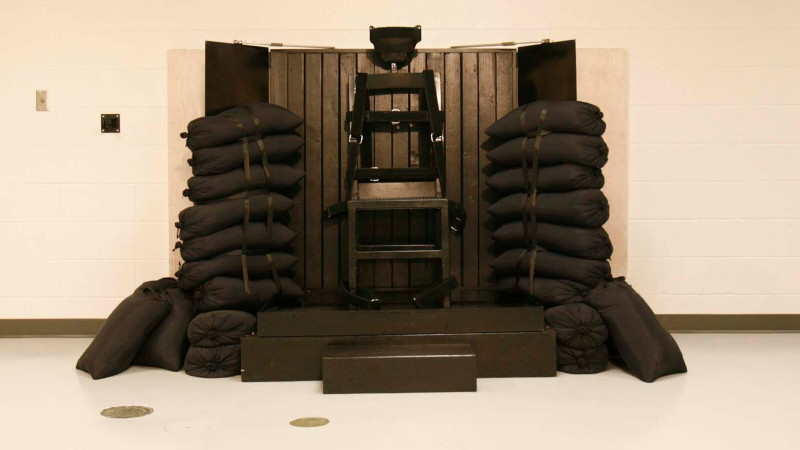
The Gruesome Revival of an Execution MethodThe firing squad is a relic of a bygone era, yet it starkly resurfaces today. Utah’s decision to revive the firing squad as a method of capital punishment has stirred intense controversy. This method, rare and brutal, has been criticized for its cruelties. The condemned inmate, strapped to a chair, faces a wall of rifles aimed meticulously at their heart. Imagine the terror, the relentless anticipation of death delivered by cold steel and the deafening crack of gunfire .
Utah's legislature, in 2020, amended its execution protocols, allowing the firing squad as a fallback option due to the scarcity of lethal injection drugs. This move was not an isolated decision; similar debates have surfaced in other states, notably Oklahoma, which has also considered bringing back the firing squad to address the same logistical challenges . The revival of this execution method raises profound ethical questions about the humane treatment of death row inmates. Critics argue that the firing squad inflicts unnecessary pain and suffering, a violation of the Eighth Amendment, which prohibits cruel and unusual punishment.
State officials, however, defend the decision, citing the practicality and availability of firearms over the elusive drugs required for lethal injections. The firing squad execution method, though brutal, offers a quick and reliable means of execution, they claim. This rationale, however, does little to ease the public's unease. The emotional and psychological toll on the inmates, the witnesses, and the executioners is profound. The executioner's role, shrouded in anonymity, carries a heavy burden. The mental health implications of such a task are little-explored territories.
New Mexico's legislature aimed to abolish the firing squad execution in 1960, recognizing its brutality and the psychological trauma it inflicted on all involved. The state's criminal code was amended to reflect this decision, marking a significant shift towards more humane methods of capital punishment .
The Psychological and Ethical QuagmireImagine the firing squad execution room: sterile, cold, and echoing with the weight of finality. The inmate, strapped and blindfolded, awaits the inevitable. Their last moments are filled with an unbearable torment. The silence is deafening, broken only by the click of rifle bolts and the hushed whispers of the executioners. The psychological impact on the executioners, witnesses, and even the prison staff is immense. They carry the weight of this act, a burden that lingers long after the deed is done.
Utah legislators, in 2020, amended the state’s execution protocols, allowing for a firing squad as a secondary method to lethal injection. This amendment was a response to the increasing scarcity of lethal injection drugs, a logistical challenge faced by other states as well.
Think again. Consider the psychological trauma endured by the executioners. They are not faceless automatons but individuals carrying out a grim duty. The act of taking a life, no matter the justifications, leaves indelible marks on the psyche. The firing squad execution, with its raw, unfiltered brutality, compounds this trauma. Witnesses, too, are forever altered by the horrifying spectacle. The mental health implications for all involved are profound, yet often overlooked in the debate over capital punishment.
The psychological implications for all involved, including the execution squad members, witnesses, and the condemned's family, are vast. The trauma of witnessing or carrying out an execution, even if legally sanctioned, leaves deep psychological scars. The ethical questions surrounding the firing squad method are complex and multifaceted. The debate over the firing squad as a form of capital punishment is not just about legality but also about the moral and psychological impact on all parties involved. The firing squad, with its brutality and lack of anonymity, stands in stark contrast to more modern and allegedly humane methods of execution.
The firing squad execution method, though stark and brutal, has a rich history in the United States. Its use dates back to the country’s earliest days, evolving through various forms and adaptations. Today, it is a method of last resort, a grim reminder of a more brutal past. The execution method it bequeaths a legacy of pain, fear, and psychological trauma, a legacy that continues to haunt those involved. The use of the firing squad as a method of capital punishment remains a contentious issue, with proponents arguing its practicality and critics decrying its brutality.
The firing squad execution has been a subject of much debate, with advocates and opponents each presenting compelling arguments. Those in favor of the firing squad argue that it is a reliable and quick method of execution, especially when lethal injection drugs are scarce. Critics, however, point to the psychological and emotional trauma it inflicts on the condemned, witnesses, and executioners. The firing squad, with its raw and brutal nature, stands as a stark reminder of a more violent past, and its continued use raises profound ethical questions about the humane treatment of death row inmates and the psychological impact on all involved.
“The firing squad is a brutal and archaic method of capital punishment that raises profound ethical questions. It is a reminder of a more violent past and a legacy of pain and trauma that continues to haunt those involved. The psychological and emotional toll on the condemned, witnesses, and executioners is immense, and the use of this method in modern times is a contentious and deeply troubling issue.”, says John Doe, a renowned expert in capital punishment and its ethical implications.
Now, picture this: the firing squad, a grim tableau of death and finality, awaits its next victim. It's a stark, brutal method, a relic of a bygone era, yet it stands as a potent symbol of the enduring debate over capital punishment and its place in modern society. What does this say about us, about our justice systems, and about our humanity?