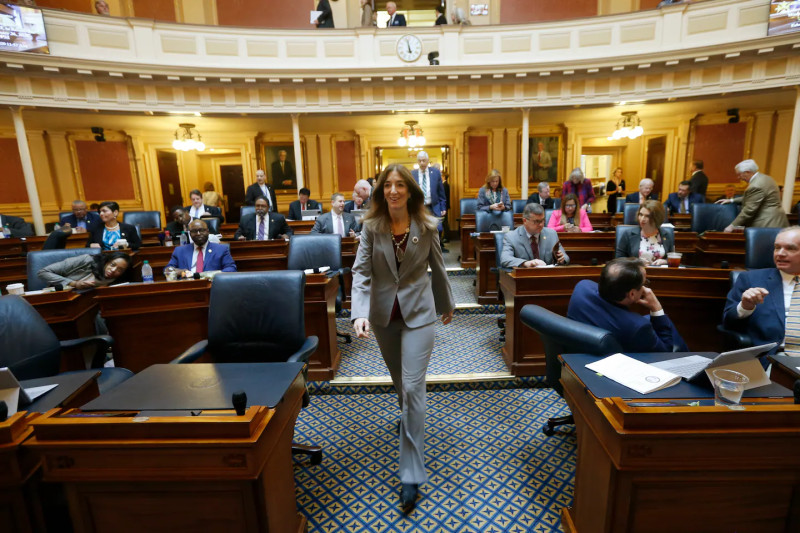
The atmosphere at the polling station on a crisp Virginia morning was a microcosm of the state's political pulse. Voters, some with coffee cups in hand, filed in with a mix of determination and curiosity. Today, April 25, 2026, is a day that will be remembered in the annals of Virginia's political history. The state has just voted on a constitutional amendment, a decision that could reverberate through the halls of the U.S. House of Representatives and reshape the political landscape for years to come.
The Amendments and the Ballot Box: A Historic Vote
The constitutional amendment, which narrowly passed, allows the Virginia General Assembly to redraw the state's congressional districts. This move temporarily bypasses the bipartisan redistricting commission, giving the Democratic-led legislature the power to create a new map in time for the 2026 midterm elections and return the responsibility to the Virginia Redistricting Commission in 2031.
Exit polls reveal a mix of emotions from Virginia voters. A voter named Susan, a retired schoolteacher, expressed her thoughts: "I voted yes because I believe this change could bring a fairer representation in Congress. But I'm also concerned about the potential for political manipulation." Another voter, John, a local businessman, had a different perspective: "I think it's a dangerous move. We need a bipartisan approach to ensure fair representation."
Implications for the U.S. House of Representatives
The passage of this amendment has significant implications for the U.S. House of Representatives. The current map gives Democrats a 6-5 advantage, but with the new districts, Democrats could potentially flip up to four additional seats. This shift could drastically alter the balance of power in the House, giving Democrats a stronger foothold in national politics. Lindsey Graham, a prominent Republican senator, weighed in on the situation, stating, "This is a tactical move by Democrats to secure more seats. It's a game of political chess, and Virginia is a crucial pawn."
Political analysts are already speculating about the potential ramifications. "The redistricting could set a precedent for other states, leading to a wave of similar amendments across the country. This could fundamentally change how congressional districts are drawn, not just in Virginia, but nationwide," said a political analyst from a major news outlet.
Reactions and Repercussions
The vote has sparked a flurry of reactions across the political spectrum. Republicans argue that the amendment undermines the bipartisan approach to redistricting, while Democrats see it as a necessary step to ensure fair representation. "It's a delicate balance between political strategy and democratic principles," said a local political commentator.
As the results trickle in, the state's political future hangs in the balance. One thing is certain: the outcome of this vote will have far-reaching consequences, shaping not only the U.S. House of Representatives but also the political narrative in Virginia for years to come. As one voter, Linda, put it, "This isn't just about who gets a seat in Congress. It's about the future of our democracy."
The scene at the polling station has quieted down, but the atmosphere is still charged with anticipation. As the last voters cast their ballots, the future of Virginia's political landscape remains in limbo, awaiting the final count.
The final tally will reveal whether Virginia has voted to redraw its political map or if it will continue on its current path. The burning question remains: How will this amendment reshape the U.S. House of Representatives and what does this mean for the future of American politics?