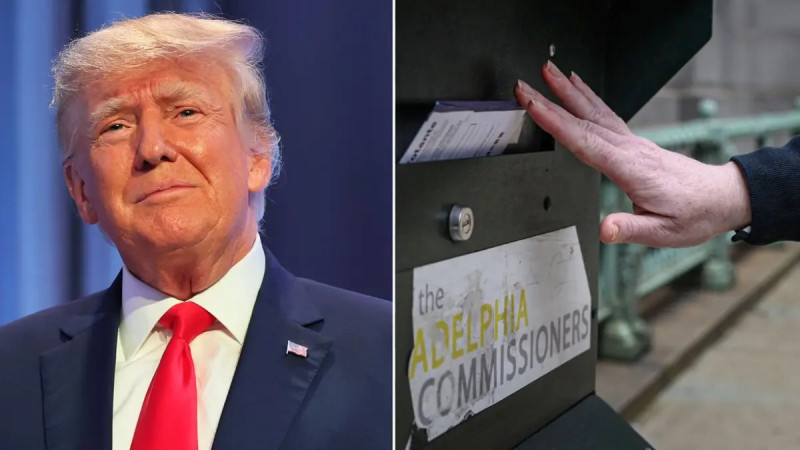
Judge Blocks Trump Citizenship Executive Order
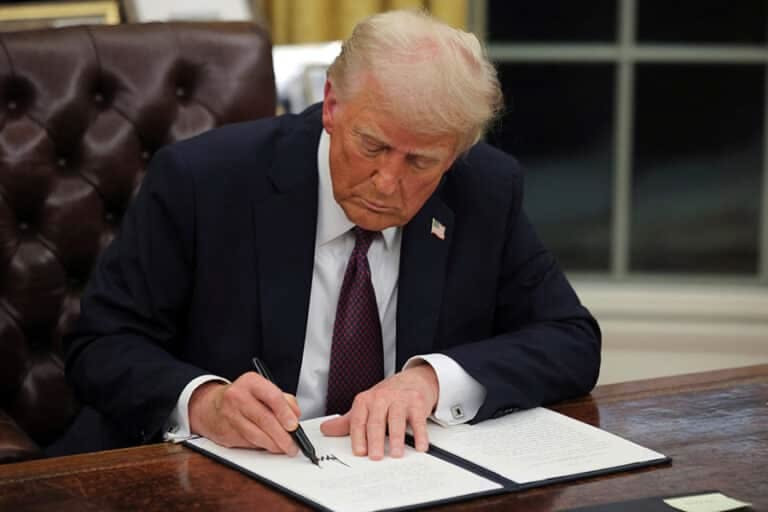
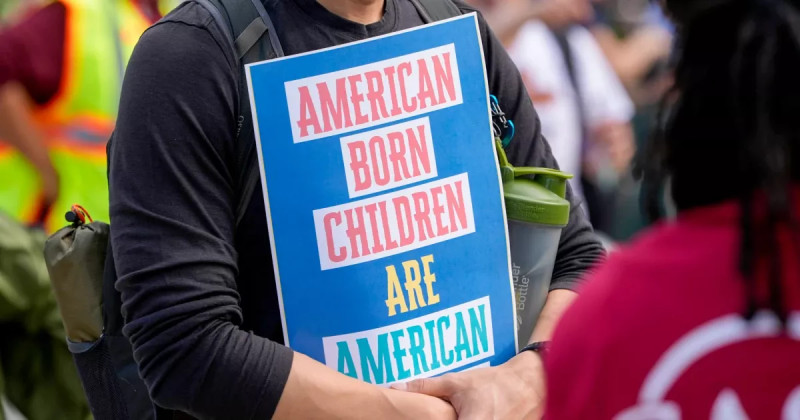
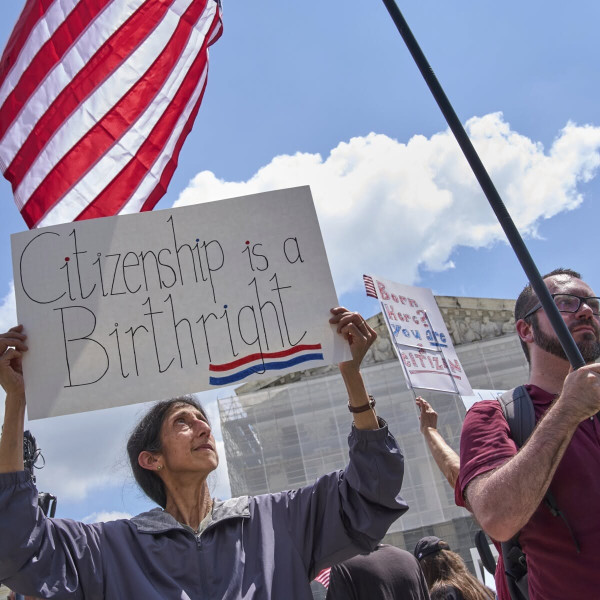
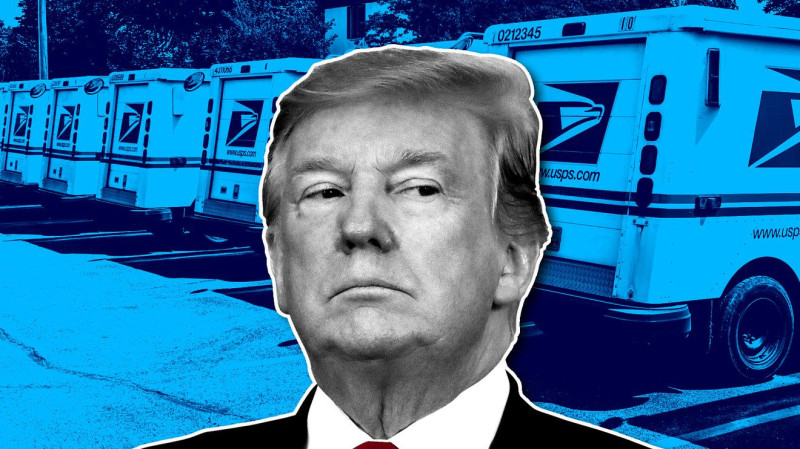
In a dramatic turn of events, a federal judge has blocked a controversial executive order by former President Donald Trump, aiming to end automatic birthright citizenship for children born to undocumented immigrants. The ruling, issued recently, has sent shockwaves through the political landscape, with both supporters and critics weighing in on the implications of this decision.
Deborah Boardman's Landmark Ruling
Judge Deborah Boardman, known for her meticulous approach to legal deliberation, delivered a pivotal ruling on a controversial executive order signed by former President Donald Trump, which sought to end birthright citizenship for children born to undocumented immigrants. The order, intended to clarify and restrict the interpretation of the 14th Amendment, faced immediate scrutiny and legal challenges.
In her ruling, Judge Boardman emphasized the constitutional complexities and potential overreach of the executive order. She drew on historical precedence and legal analysis to argue that the order infringed on the rights enshrined in the 14th Amendment, which guarantees citizenship to anyone born on U.S. soil.
The judge's decision sparked a flurry of reactions from both sides of the political spectrum. Critics of the executive order hailed the ruling as a victory for constitutional checks and balances, while supporters of the order expressed dismay, arguing that it was a necessary measure to address the complexities of illegal immigration.
The implications of this ruling are profound. It sets a precedent for future executive actions, underscoring the limits of presidential authority in matters of citizenship and immigration. The decision also highlights the ongoing debate over birthright citizenship and the interpretation of the 14th Amendment, a contentious issue that has divided legal scholars and policymakers for decades.
—In the interim, legal experts predict a flurry of appeals and potential Supreme Court review, as both sides brace for a protracted legal battle over the future of birthright citizenship.
Birthright Citizenship and the 14th Amendment
At the heart of this controversy lies the 14th Amendment of the U.S. Constitution, which states, "All persons born or naturalized in the United States, and subject to the jurisdiction thereof, are citizens of the United States and of the State wherein they reside." This clause, known as the Citizenship Clause, has been the subject of intense legal and political debate.
The Trump administration argued that the executive order aimed to clarify the scope of the Citizenship Clause, suggesting that children born to undocumented immigrants should not automatically receive citizenship. This interpretation, however, was met with significant opposition, particularly from those who view the clause as an explicit guarantee of citizenship for all individuals born on U.S. soil, regardless of their parents' immigration status.
Judge Boardman's ruling underscored the constitutional ambiguities surrounding the Citizenship Clause. She noted that the language of the 14th Amendment has been interpreted broadly to include children born to undocumented immigrants, citing numerous legal precedents and historical contexts that support this interpretation.
The controversy highlights a broader debate over immigration policy and the rights of undocumented immigrants. Supporters of birthright citizenship argue that it is a fundamental right protected by the Constitution, while opponents contend that it encourages illegal immigration and places an undue burden on the U.S. immigration system.
—The ruling’s impact is far-reaching, influencing not only the immediate fate of the executive order but also shaping the broader discourse on immigration policy and constitutional interpretation.
Political Reactions and Future Implications
The ruling by Judge Boardman has ignited a fierce political debate, with lawmakers and activists on both sides of the aisle voicing their opinions. Democratic leaders have praised the decision as a defense of constitutional principles, while Republican lawmakers have criticized it as an overreach of judicial power.
The decision has also sparked discussions about the balance of power between the executive and judicial branches, with some arguing that the ruling is a check on presidential authority, while others see it as judicial activism.
Looking ahead, the legal battle over birthright citizenship is far from over. Legal experts predict that the ruling will likely be appealed, setting the stage for a protracted legal battle that could ultimately reach the Supreme Court. —The Supreme Court's eventual decision could have far-reaching implications for immigration policy and the interpretation of the 14th Amendment, setting a precedent that will shape future debates on citizenship rights.
In the meantime, the political and legal landscape remains in flux, with stakeholders on all sides awaiting the next development in this ongoing saga.
"The ruling sets a crucial precedent for how we interpret and apply the 14th Amendment in the context of modern immigration challenges."
Deborah Boardman
How does this story make you feel?
 Up next · PoliticsMaria Bartiromo's High-Stakes Exit from Fox News