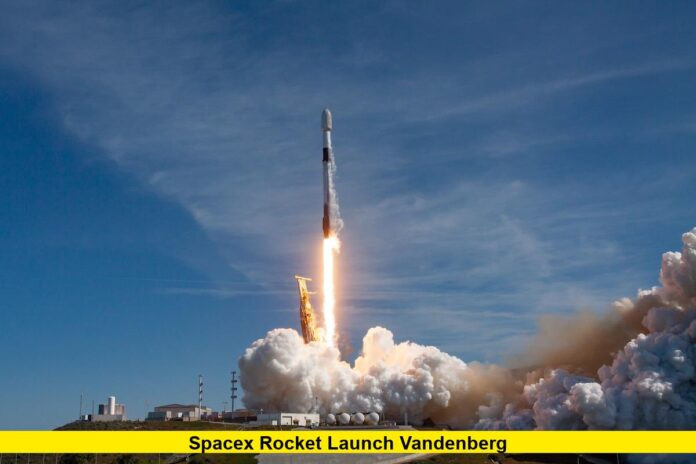
SpaceX's Falcon Heavy: Falcon Heavy Launch via Sat-3
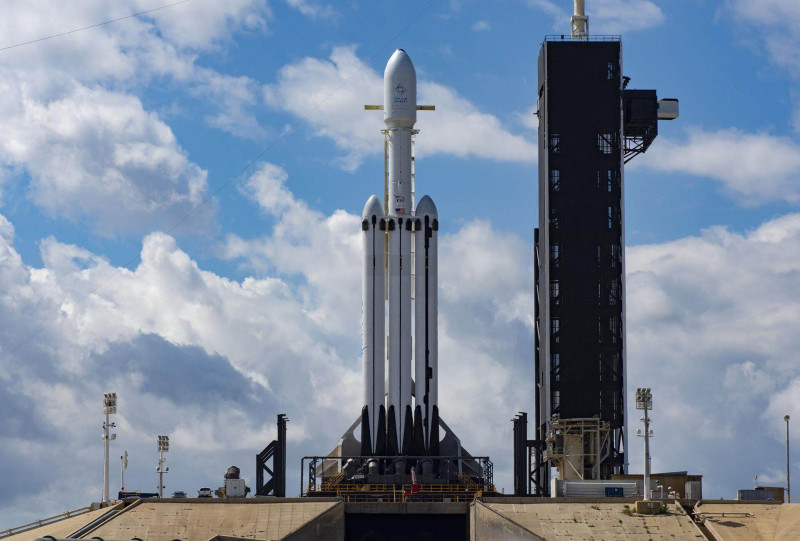
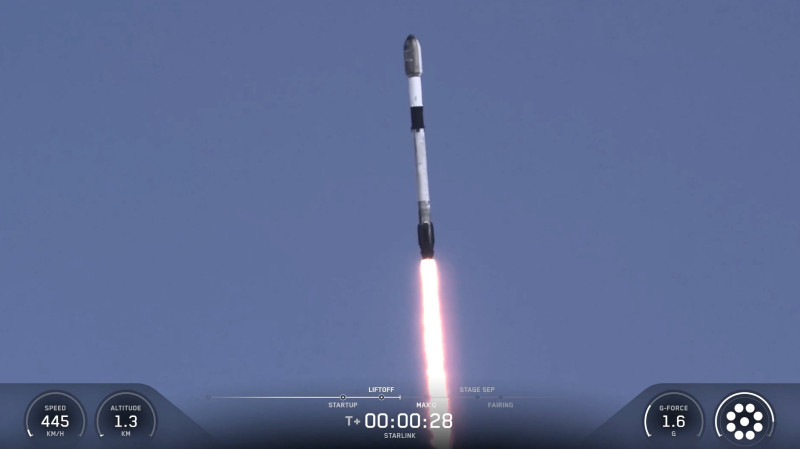
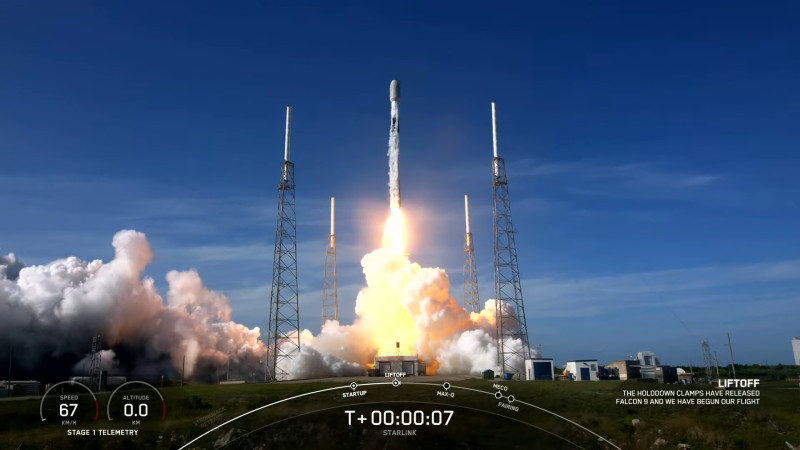
In the early hours of a crisp April morning, the Kennedy Space Center buzzes with anticipation. The Falcon Heavy rocket, a beast of engineering, stands tall and proud at Launch Complex 39A. The countdown has begun, and the world watches as SpaceX prepares to launch the powerful rocket for the first time in 18 months. This mission, carrying the ViaSat-3 F3 satellite, marks a significant milestone in SpaceX's ambitious journey to dominate the heavy-lift commercial launch sector.
Falcon Heavy Launch: The Return of a Giant
The Falcon Heavy is more than just a rocket; it's a testament to SpaceX's relentless pursuit of innovation. Consisting of a central Falcon 9 rocket core flanked by two additional boosters, the Falcon Heavy is designed to carry payloads that no other commercial rocket can match. This 12th mission, launching the ViaSat-3 F3 satellite, is a crucial step in demonstrating the rocket's capabilities and reaffirming SpaceX's dominance in the heavy-lift launch market.
Launching at 10:21 a.m. ET, the Falcon Heavy will carry the ViaSat-3 F3 satellite into a geosynchronous transfer orbit, where it will provide broadband internet services to the Asia-Pacific region. The launch window is 85 minutes, with a backup opportunity scheduled for the following day if needed.
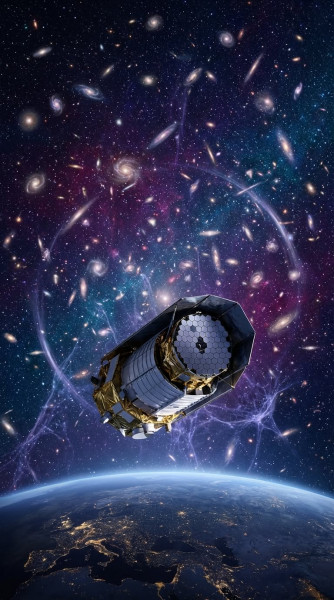
The ViaSat-3 F3 is the third and final satellite in the ViaSat-3 series, following the successful launches of ViaSat-3 F1 and ViaSat-3 F2 in 2023. The satellites are designed to deliver ultra-high-capacity broadband services, meeting the increasing demands of commercial mobility and defense customers.
This mission is a critical test for SpaceX, as it showcases the Falcon Heavy's ability to carry out complex and demanding missions. The success of this launch will not only validate the rocket's capabilities but also pave the way for future heavy-lift missions, solidifying SpaceX's position as a leader in the commercial launch sector.
Technical Marvel: Decoding the Falcon Heavy
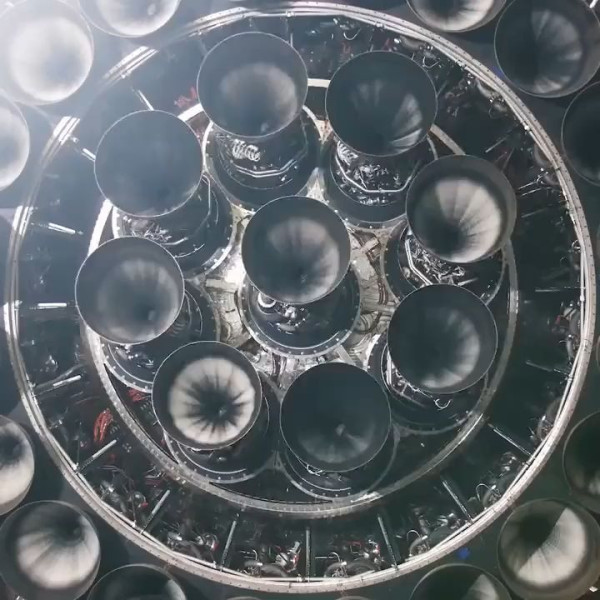
The Falcon Heavy is a marvel of modern engineering, built to push the boundaries of what's possible in space travel. With a total of 27 Merlin engines, the rocket generates an astounding 5.1 million pounds of thrust at liftoff, making it the second most powerful operational rocket in the world.
The rocket's design is a testament to SpaceX's innovative approach to space travel. The central core, along with the two additional boosters, is derived from the Falcon 9 first stage, allowing for a cost-effective and reliable launch system. The boosters are designed to land and be reused, reducing the cost of space travel and increasing the frequency of launches.
The Falcon Heavy is not just about raw power; it's also about precision and control. The rocket's advanced guidance and navigation systems ensure that the payload is delivered to the exact desired orbit, a critical factor for missions like the ViaSat-3 F3 launch. The success of this launch will demonstrate the Falcon Heavy's ability to handle complex and demanding missions, further cementing its place as a leader in the heavy-lift launch market.
The ViaSat-3 F3 Mission: Beyond Broadband
The ViaSat-3 F3 mission is about more than just providing broadband internet services; it's about connecting the unconnected. The satellite will deliver high-speed internet to remote and underserved areas in the Asia-Pacific region, bridging the digital divide and opening up new opportunities for economic growth and development.
The ViaSat-3 constellation is designed to rapidly shift capacity throughout its coverage area, ensuring that bandwidth is available where and when it's needed most. This flexibility is crucial for meeting the increasing demands of commercial mobility and defense customers, who rely on reliable and high-speed internet connectivity for their operations. The success of the ViaSat-3 F3 mission will demonstrate the constellation's ability to deliver on these promises, further solidifying its place as a leader in the broadband satellite market.
— As the clock ticks down, the anticipation builds. The Falcon Heavy stands ready, a symbol of human ingenuity and ambition. The world watches and waits, hoping for a successful launch that will push the boundaries of what's possible in space travel. But as with any launch, there are risks and uncertainties. Will the Falcon Heavy live up to its promise, or will it face unexpected challenges that could jeopardize the mission? Only time will tell, but one thing is certain: the stakes have never been higher, and the world is watching.
How does this story make you feel?
 Up next · TechIs Outlook Down? Real-Time Outlook Status Today