The fluorescent glare of the briefing room at the Pentagon, illuminated by the hum of phones buzzing in pockets and the murmur of reporters, was the backdrop for the latest development in the ongoing conflict in the Strait of Hormuz. President Donald Trump has announced that the US is reviewing a 14-point peace proposal from Iran, a move that comes amid escalating tensions and a flurry of conflicting reports about a potential strike on a US warship in the critical waterway. The proposal, revealed by Iranian media, has sparked both hope and skepticism as the US navigates the complexities of the conflict, which has seen a rise in attacks on commercial vessels and strategic military movements.
US Rejects Iranian Claim of Warship Attack, Tensions Mount
In a dramatic turn of events, Iranian state media claimed that a US frigate was targeted by two missiles as it attempted to enter the Strait of Hormuz. The Iranian Fars news agency reported that the warship, which allegedly ignored warnings, was hit near Jask, a port city on the Gulf of Oman. However, the US Central Command swiftly denied these claims, asserting that no US Navy ships have been hit in the Strait of Hormuz. The conflicting narratives have added fuel to the fire, making the ongoing conflict even more volatile and unpredictable.
The US military has been actively involved in the region, with President Trump announcing a new initiative called "Project Freedom." This project aims to guide commercial ships through the Strait of Hormuz, a critical trade route that has seen increased tensions due to the ongoing conflict. The US military reported that two US-flagged ships successfully transited the strait, marking a significant step in the US's efforts to secure the waterway. However, the move has been met with skepticism from Iran, which claims that such actions violate the ceasefire and escalate tensions.
Amid these developments, tensions have been further exacerbated by a recent attack on a UAE tanker. The incident, which occurred as the US announced its initiative to free ships, has raised concerns about the safety of commercial vessels in the region. Iranian media reported that the UAE intercepted Iranian missiles, adding another layer of complexity to the ongoing conflict.
— The attack on the UAE tanker, while Iran was preparing to release its peace proposal, underscores the delicate balance between diplomacy and military action in the region.
Iran's Peace Proposal: A Glimmer of Hope or a Diplomatic Ploy?
The 14-point peace proposal from Iran, announced on May 4, 2026, has been reviewed by the US, but President Trump has cast doubt over its prospects. The proposal, which includes a range of concessions and diplomatic measures, has been met with a mix of optimism and skepticism. Trump's review of the plan comes as gas prices soar, adding economic pressure to the complex geopolitical landscape.
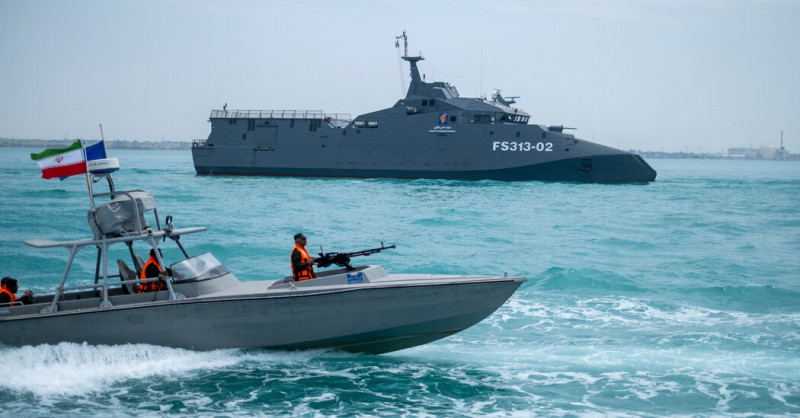
Despite the potential for a diplomatic solution, the US has not hesitated in its military actions in the region. On Monday, the US military announced that it had sunk six Iranian small boats engaged in hostile activities. This move, part of the US's broader strategy to secure the Strait of Hormuz, has been met with criticism from Iran, which claims that such actions are a violation of international law.
The US has also deployed 15,000 troops to the region, a significant escalation in its military presence. The deployment, which includes a range of assets from ground forces to naval units, aims to bolster the US's ability to respond to threats in the Strait of Hormuz. The move has been seen as a clear signal to Iran and other regional actors that the US is prepared to use military force to secure the waterway.
The deployment of 15,000 troops is a significant escalation, but it also underscores the US's commitment to securing the Strait of Hormuz, a critical trade route for global commerce.
The Future of the Strait of Hormuz: Between Conflict and Coexistence
The Strait of Hormuz, a narrow waterway between Iran and the Arabian Peninsula, has long been a flashpoint for geopolitical tensions. The waterway, which connects the Persian Gulf to the Gulf of Oman, is a critical route for global oil and gas shipments, making it a strategic prize for regional and global powers. The ongoing conflict, which has seen a rise in attacks on commercial vessels and military confrontations, has raised questions about the future of the region.
The recent developments, including the 14-point peace proposal and the US's military actions, highlight the delicate balance between conflict and coexistence in the Strait of Hormuz. As the US continues to navigate the complexities of the conflict, the future of the region remains uncertain, with both diplomatic and military solutions on the table. The hum of the briefing room, the buzz of phones, and the whispered conversations among reporters are a reminder that in the world of geopolitics, the stakes are always high — and the outcome is never certain.
The Strait of Hormuz is the stage for a complex dance of diplomacy and military action, reflecting the broader tensions in the Middle East — an area where the stakes are high, and the future is uncertain.
“The Strait of Hormuz is a critical waterway for global commerce, and the ongoing conflict poses significant risks to international trade and security.” — Carl Stevens, ABC News