Diplomatic Dance in the Gulf: Trump's Iran Negotiations
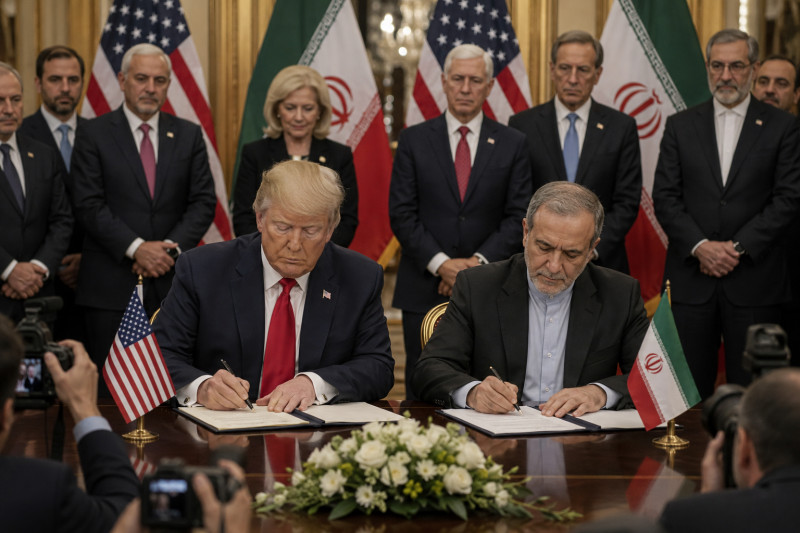
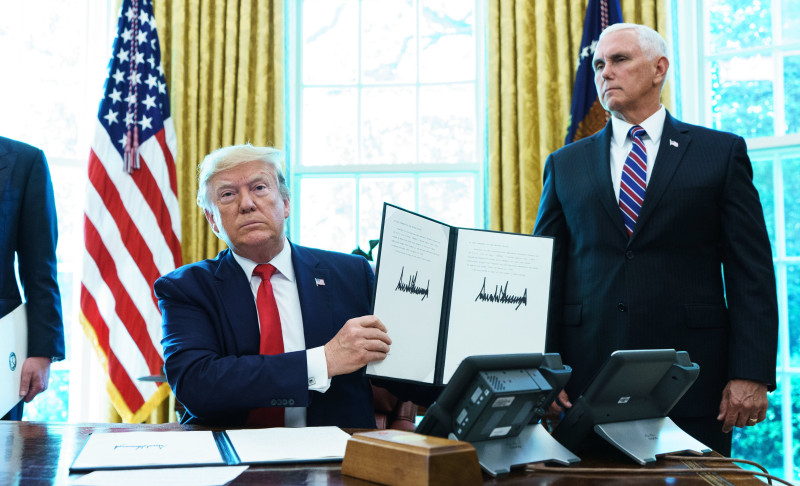
The recent Trump Iran negotiations are unfolding in a climate of caution and anticipation. It's as if the geopolitical chessboard has been set, with each piece poised for a critical move. In a move that's as surprising as it is significant, President Trump has indicated that a deal to end the Iran war may be imminent. This development comes after a recent flurry of diplomatic activity and military posturing, leaving the world to wonder what the next move will be. The latest news today is all about the delicate balance of power in the region, and the potential impact on global security.
Strait of Hormuz: A Crucial Choke Point
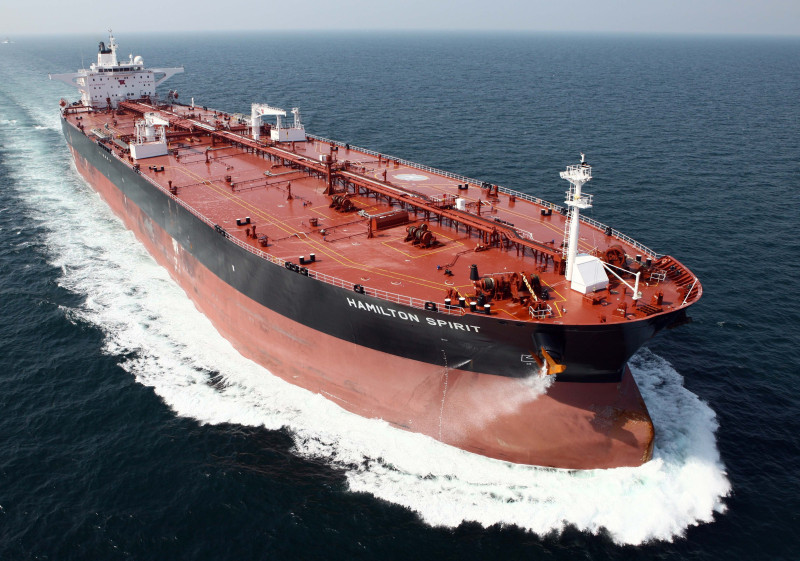
The Strait of Hormuz, a narrow waterway connecting the Persian Gulf to the Arabian Sea, has long been a focal point in the Iran conflict. Recently, President Trump hinted that the Strait would open "very soon," or the U.S. would strike Iran. This threat underscores the strategic importance of the Strait, through which a significant portion of the world's oil supply passes. The U.S. has historically been wary of Iranian influence in the region, particularly given past incidents where Iranian forces have seized ships transiting the Strait. This strategic chokepoint has become a flashpoint in the ongoing Iran war, with both sides eager to assert control. The U.S. military has been known to station ships in the region to monitor and defend against potential threats, while Iran has conducted exercises and deployed its own naval assets to the area.
The recent move by the U.S. to halt its planned attacks on Iran highlights the complex nature of the negotiations. President Trump has stated that the U.S. and Israel have agreed to halt new attacks on Iran, provided a deal to end the conflict is reached "rapidly". This agreement is seen as a significant step towards de-escalating tensions in the region. However, the path to a lasting peace remains fraught with challenges. The senate's repeated rejections of efforts to limit President Trump's Iran war powers indicate a deep divide within the political sphere, with lawmakers grappling over the extent of executive authority in military affairs.Economic Sanctions: A Double-Edged Sword
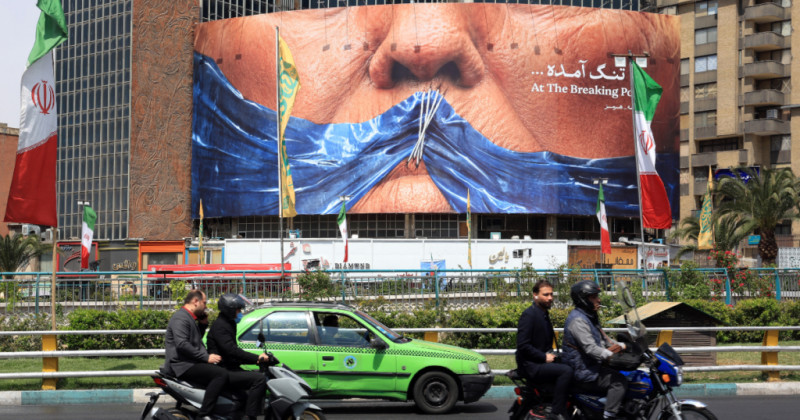
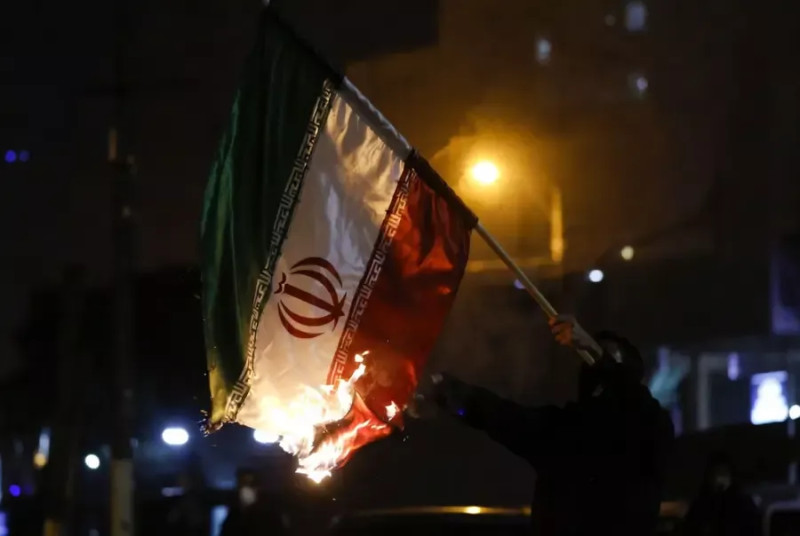
Economic sanctions have been a cornerstone of the U.S.'s strategy against Iran. After canceling a pending attack on Iran, President Trump hit Iran with even more draconian economic sanctions, leaving the country's finances in tatters, with sky-high inflation and a devaluation of the currency. These sanctions have had a profound impact on the Iranian economy, causing widespread hardship and social unrest. The sanctions, which target Iran's oil industry, banking sector, and other key economic areas, are designed to pressure the Iranian government into compliance with international norms and agreements. However, the effectiveness of these sanctions has been a subject of debate, with some arguing that they have only served to strengthen the regime's grip on power. The sanctions have also drawn criticism from human rights groups, who argue that they disproportionately affect ordinary citizens, exacerbating suffering and inequality. Despite these concerns, the U.S. has remained steadfast in its approach, viewing economic sanctions as a necessary tool in its diplomatic arsenal. Nonetheless, the economic sanctions have not been without their consequences, and the U.S. must weigh the potential benefits against the humanitarian costs.
Military Posturing: A Precarious Balancing Act
The diplomatic maneuvering on both sides of the Iran conflict is matched by a constant state of military readiness. Israeli Prime Minister Benjamin Netanyahu met President Trump at the White House for discussions on the conflict. This meeting comes at a time when tensions between the U.S. and Iran have been high, with both sides beefing up their military presence in the region. The recent U.S. strikes on Iranian targets in response to missile attacks on U.S. troops highlight the fragile nature of the peace process. Despite these challenges, there are signs of progress. Vice President JD Vance, in Switzerland, hailed progress at talks aimed at securing peace, indicating that efforts to bring the conflict to a resolution are ongoing.
The delicate dance of diplomacy and military posturing in the Gulf continues, with each side carefully calculating their next move. The path to a lasting peace in the region is fraught with challenges, but the recent diplomatic overtures offer a glimmer of hope. The question remains, will the negotiations succeed in ending the Iran war or will the region be dragged into a new cycle of conflict? The world watches and waits, as the fate of the Middle East hangs in the balance.How does this story make you feel?
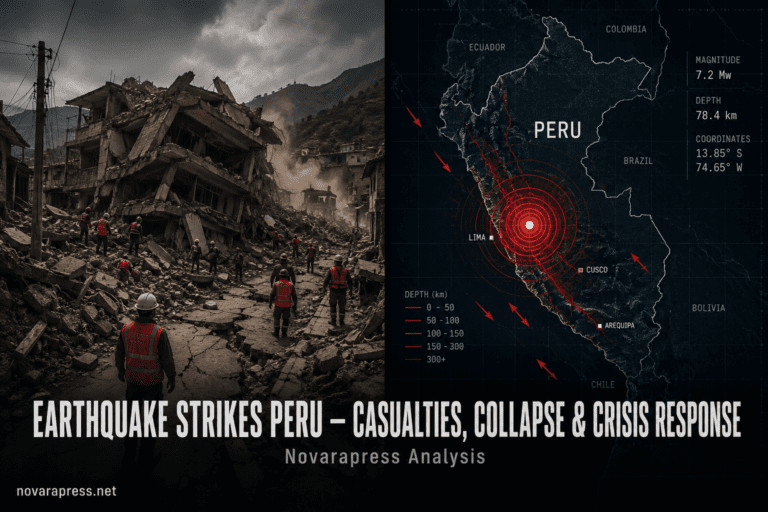 Up next · WorldPeru Hit by Significant Earthquake Amid Recent Seismic Activity