The Strait of Hormuz: A Strategic Choke Point in the US-Israel-Iran Conflict
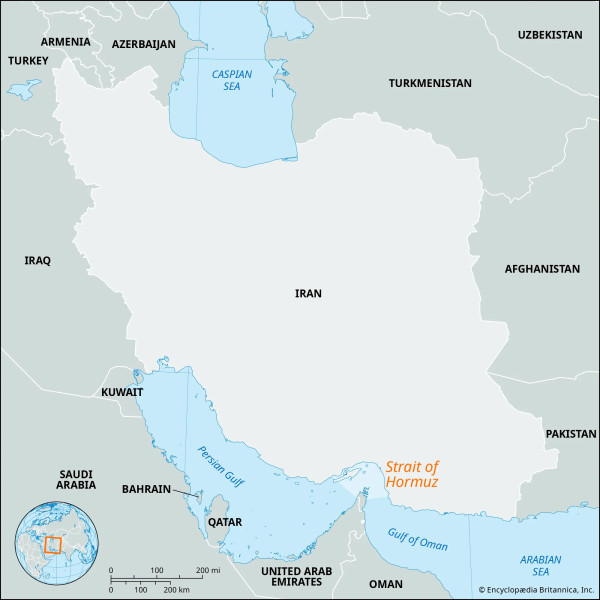
The calm was shattered by a sudden wave of attacks on commercial ships in the Strait of Hormuz. The waterway, a crucial artery for global oil exports, has been under intense scrutiny as Iran steps up surveillance and strikes in the region. This surge in violence has raised alarms about the safety of maritime traffic and the potential impact on global oil supply.
What Happened: The Latest Attacks and the Escalating Tensions
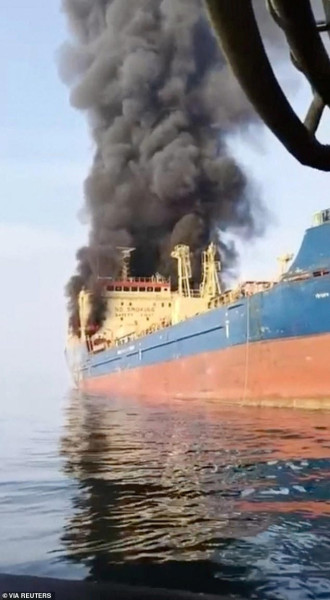
The Strait of Hormuz, a narrow waterway connecting the Persian Gulf to the Gulf of Oman, has been a focal point of geopolitical tensions for years. Recently, the situation has intensified with a series of attacks on cargo ships. Two cargo ships have sunk in the Strait of Hormuz in the past 24 hours, highlighting the heightened danger to shipping in the region. The vessels were struck by unknown projectiles in separate incidents, underscoring the escalating conflict and the strategic importance of the waterway.
The Persisting Conflict Over Reopening the Strait of Hormuz
Amid the rising tensions, Iran has made a significant offer to the United States to reopen the Strait of Hormuz within seven days, contingent on the fulfillment of seven conditions. This proposal, conveyed through diplomatic channels, has been met with mixed responses. Iran's Foreign Minister Abbas Araqchi emphasized that the offer is still on the table, but the U.S. response has been deemed insufficient. Mohsen Rezaei, the Secretary of the Supreme National Security Council, criticized Washington's response as inadequate, leaving several conditions unresolved.
Economic and Diplomatic Implications
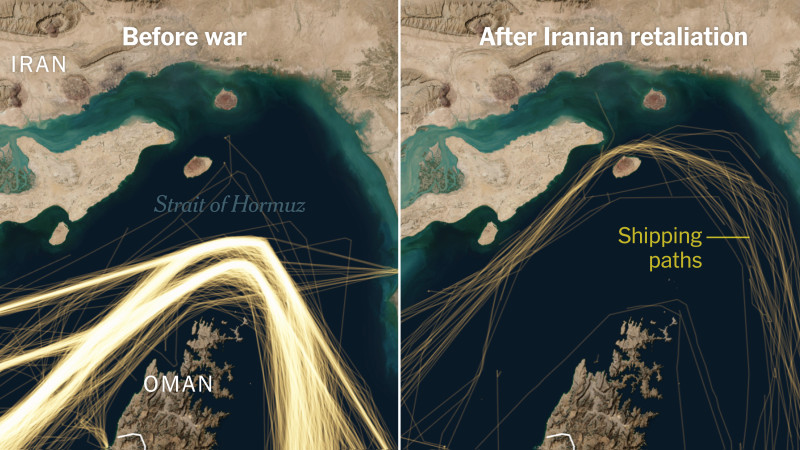
The Strait of Hormuz, where the surface water is, for the most part, at the same elevation on both sides, has been a critical transit point for oil and gas. The recent escalations have disrupted the flow of crude oil, affecting both Iran and the global market. Iran's escalated strikes on commercial ships are aimed at choking off a rebound in crude oil exports, a move that has significant economic repercussions. Iran has also intensified surveillance in the area, leading to a surge in attacks on ships and a crash in oil flows.
"Our offer to reopen the Strait of Hormuz remains on the table, but the U.S. has not fully met our conditions. We are committed to securing our interests and ensuring the safety of our maritime routes." Araghchi
In recent times, the U.S. has also taken measures to loosen Iran's grip over the Strait of Hormuz, virtually shutting down Iran's own oil exports. This has accelerated Iran's economic free fall, adding another layer of complexity to the ongoing conflict.
As the situation in the Strait of Hormuz continues to unfold, the world watches with bated breath. The strategic waterway remains a choke point for global oil supply, and any disruption could have far-reaching consequences. Maritime safety, economic stability, and diplomatic relations hang in the balance as Iran and the U.S. navigate this critical juncture. The future of the Strait of Hormuz, and the broader conflict, remains uncertain — but one thing is clear: the stakes are higher than ever, and the world is watching.
How does this story make you feel?
 Up next · WorldSt. Petersburg hit by massive drone strike, oil facilities ablaze