Iran War Intensifies as US and Israel Face Off Against Tehran
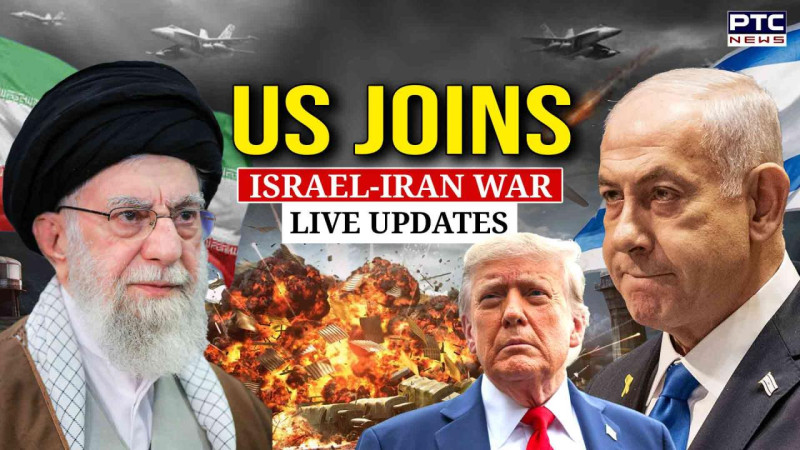
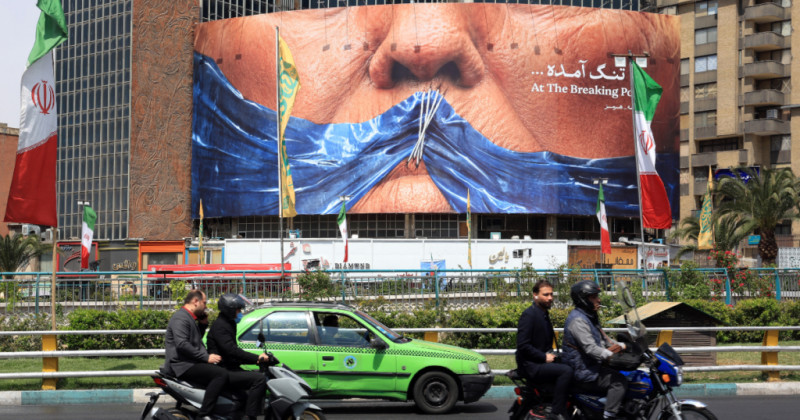
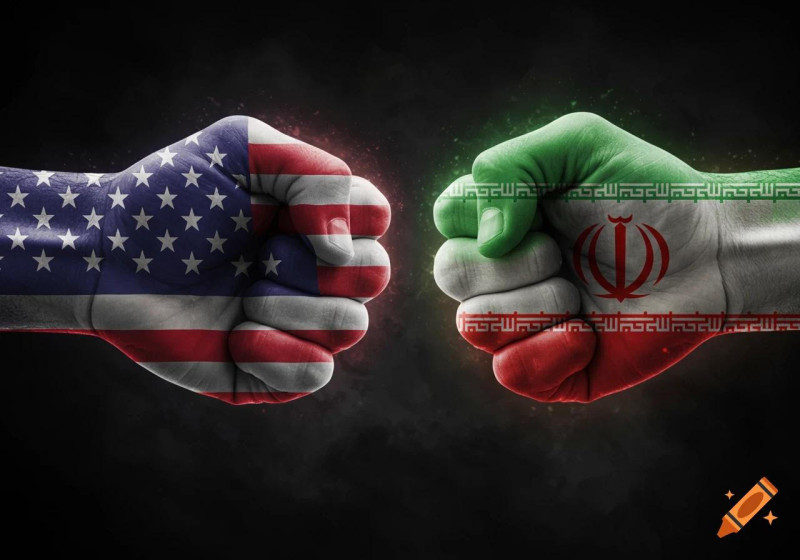
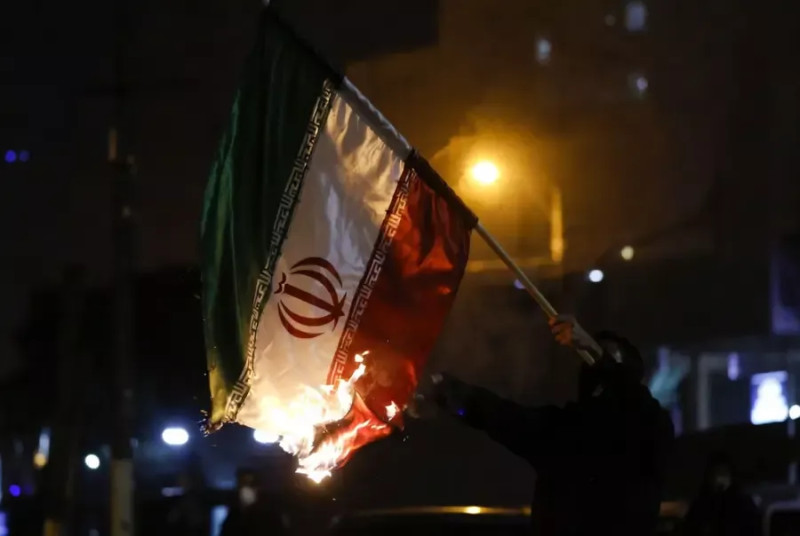
As of today, the Iran war escalates with a barrage of missiles and naval clashes, as the U.S. and Israel continue to confront Iran in a conflict that has seen significant military and diplomatic maneuvers. The most recent developments indicate a volatile and unpredictable situation in the Middle East, with both sides trading threats and military actions.
Missiles, Drones, and Naval Clashes: Escalation in the Iran Conflict
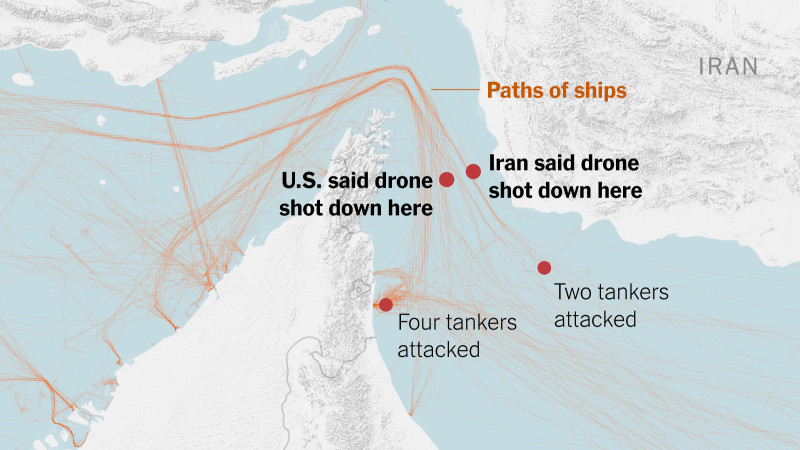
The conflict in the Middle East continues to escalate, with reports of the U.S. and Israel engaged in a missile and drone attack on the UAE and the Strait of Hormuz. Iran's latest strike targeted a tanker and the UAE, while the U.S. military reported that six Iranian boats were destroyed in a naval confrontation. The Iranian regime has been working to rebuild its military capabilities, utilizing the ceasefire to stockpile weapons and missiles, further intensifying the threat.
In the Strait of Hormuz, the situation remains tense as the U.S. and Iran navigate through a crucial waterway for global oil trade. The U.S. has announced efforts to guide neutral ships through the strait, sparking criticism from Iran who views this as a violation of the ceasefire. Iran's state-run news agency IRNA called the U.S. plan a "delirium".
Diplomatic Tensions and the Search for a Ceasefire
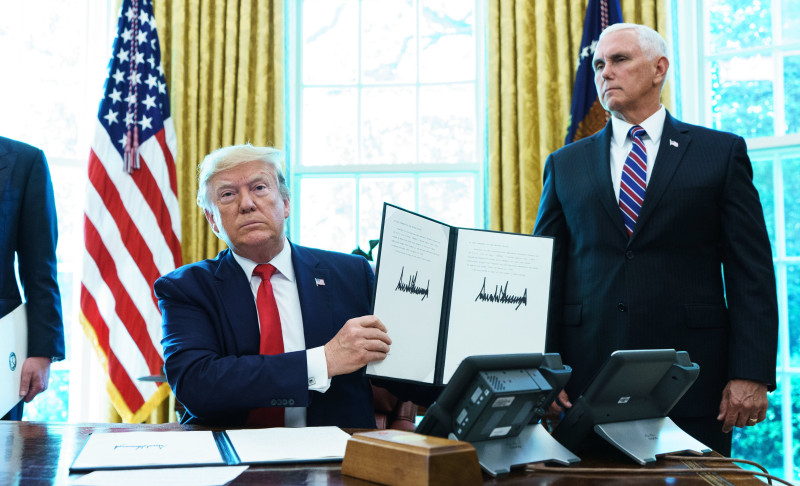
The diplomatic front is equally fraught with tension. Pakistan recently conveyed Iran’s latest proposal to end the war to the U.S., but President Trump expressed dissatisfaction with the terms. The U.S. and Iran are locked in a stalemate, with neither side willing to back down from their positions. The ceasefire remains fragile, with both sides exchanging warnings and preparing for potential renewed conflict.
Netanyahu, the Israeli Prime Minister, is set to discuss the Iran ceasefire and potential war in Gaza, highlighting the broader regional implications of the conflict. The U.S. and Israel have been working to rebuild their military capabilities, focusing on reopening the Strait of Hormuz and protecting commercial vessels from Iranian attacks.
International Reactions and Humanitarian Concerns
Amid the escalating conflict, humanitarian concerns are mounting. Reports indicate that three Indians were injured in the latest missile strikes on the UAE, underscoring the broader impact of the war on civilians and neutral countries. The U.S. has expressed its humanitarian efforts to free ships stranded in the Strait of Hormuz, though Iran views this as a violation of the ceasefire.
The conflict has also led to a significant disruption in global oil markets, with the Strait of Hormuz being a critical chokepoint for oil trade. The U.S. and Iran are both aware of the strategic importance of the strait, and any disruption could have far-reaching economic and geopolitical consequences.
The Iran war is a complex and multifaceted conflict, involving a myriad of players and issues. The U.S., Israel, and Iran are all engaged in a delicate balance of military action and diplomatic maneuvering, with the potential for further escalation or de-escalation depending on the next moves by the key players. The international community is watching closely, as the outcome of this conflict could have profound implications for the Middle East and beyond.
The coming weeks are pivotal as the region braces for potential escalations. The next significant developments will likely hinge on the diplomatic efforts and military strategies employed by Iran, the U.S., and Israel. The international community awaits further developments with bated breath, as the conflict continues to unfold with unpredictable consequences.
How does this story make you feel?
 Up next · WorldGulf Tensions Escalate as Iran Launches Strikes on UAE’s Key Infrastructure