The Iron Gate Opens: US Tightens the Screw on Iran’s Land Operations
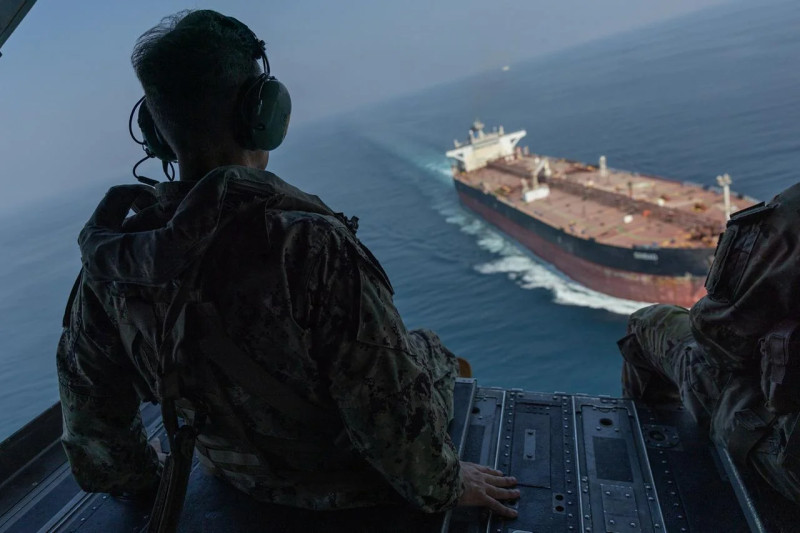
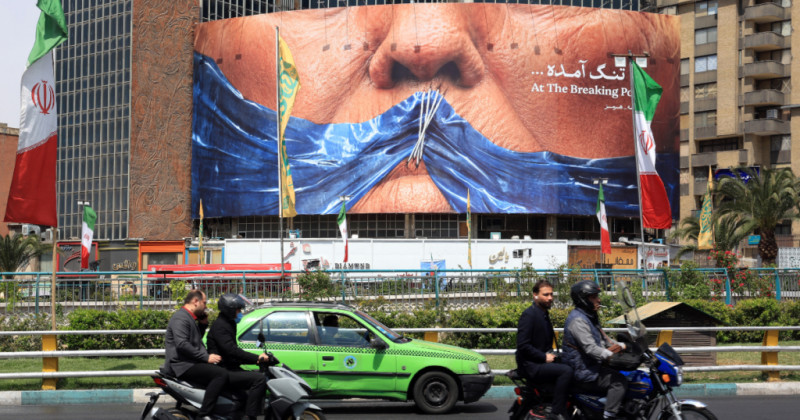
In recent times, the geopolitical chessboard has seen a flurry of activity, with the United States making a strategic move that could escalate tensions with Iran. The latest developments revolve around a new U.S. military task force, Task Force Iron Gate, designed to disrupt Iran’s land-based supply routes. This move isn’t just about military posturing—it’s a calculated maneuver that could have profound implications for regional stability and global politics. Here’s everything you need to know about this unfolding situation.
What Exactly is Task Force Iron Gate?
Task Force Iron Gate, recently announced by the U.S. Central Command (CENTCOM), is a specialized unit aimed at curbing Iran’s transport of advanced weapons and other materials through land routes. This task force, comprised of approximately 20 civilian and military personnel, is based in Tampa, Florida, and falls under the command of Admiral Brad Cooper. Think of it as a combination of a watchdog and a roadblock, monitoring and blocking Iran’s land-based supply routes to prevent the flow of sensitive materials and illegal revenues.
The announcement came after months of naval blockades and increased military pressure on Iran, marking a shift in the U.S. strategy from sea to land. According to available reports, the task force is part of a broader U.S. effort to halt the flow of dual-use technologies and stem what Washington considers illegal revenue streams. The goal is to choke Tehran’s military supply networks, ensuring that Iran’s ability to transport weapons and other materials is significantly impaired.
The Geopolitical Chessboard: What Does This Mean for Iran?
For Iran, this new front in the ongoing conflict could be a significant blow. The task force is designed to disrupt Iran’s ability to transport advanced weapons and other materials through its land borders and across the Caspian Sea, a crucial route for Iran’s military and economic operations. This move by the U.S. could potentially isolate Iran, limiting its ability to supply weapons to its allies and proxies in the region, such as Hezbollah in Lebanon and the Houthis in Yemen.
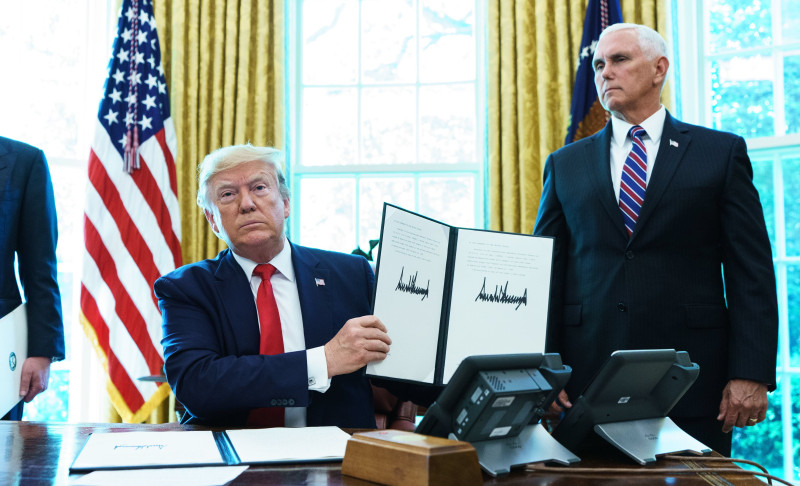
The implications extend beyond military supply chains. By targeting land routes, the U.S. is also aiming to cut off Iran’s access to vital economic revenues generated through illegal activities, which could further strain Iran’s already fragile economy. This move is part of a broader economic pressure campaign by the U.S. aimed at forcing Iran to comply with international norms and agreements, particularly regarding its nuclear program.
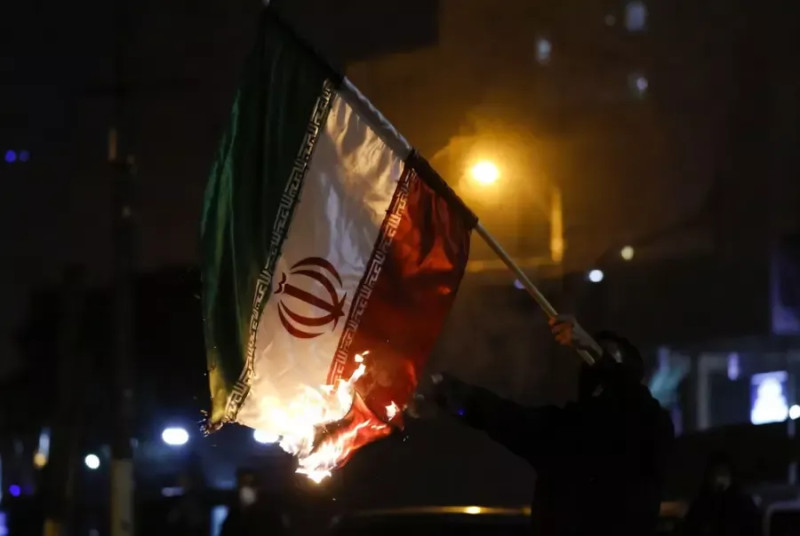
The formation of Task Force Iron Gate could also escalate tensions in the region, as Iran might see this as a direct provocation. Iran has a history of retaliating against perceived U.S. aggression, which could lead to a cycle of escalation and retaliation. “This move by the U.S. is a clear message to Iran that Washington is determined to tighten the screws on Tehran’s military and economic activities, but it also risks further destabilizing an already volatile region,” said an expert on Middle Eastern affairs.
What Comes Next: The Regional Dynamics and Global Ripples
As the U.S. ramps up its efforts to contain Iran, the focus now shifts to how Iran and its allies will respond. Iran, known for its resilience, might adapt its strategies to circumvent the new obstacles. This could involve finding alternative supply routes, bolstering its defenses, or even launching retaliatory strikes. The situation is fluid, and the next move from Iran could significantly alter the course of this geopolitical chess match.
Meanwhile, the international community is closely watching these developments. While some countries may support the U.S. efforts to curb Iran’s activities, others might view it as a violation of international law or an act of aggression. The United Nations Security Council and other international bodies might be called upon to mediate or intervene, depending on how the situation unfolds.
The latest updates on Task Force Iron Gate show a U.S. military determined to tighten its grip on Iranian activities, but the outcome remains uncertain. One thing is clear: the region is on edge, and the next few weeks could see significant developments that will shape the future of the Iran-Israel conflict and broader Middle Eastern politics.
The Iron Gate has been opened, and the U.S. is standing firm, ready to confront the challenges that lie ahead. Only time will tell how this new task force will impact the delicate balance of power in the region and whether it will achieve its stated goals or ignite a new round of conflict.
How does this story make you feel?
 Up next · PoliticsPatrick Clancy Breaks Silence on CBS' Iconic 60 Minutes Tonight