US-Iran Tensions Flare as Tehran Faces Deadlock with Washington
August 4, 2026, marks a crucial juncture in the escalating US-Iran conflict, with Tehran now facing a multifaceted deadlock that threatens to destabilize the region. A mysterious assassination of a high-ranking Iranian official has sparked a series of retaliatory measures, including cross-border airstrikes and a severe internet blackout. The situation is further complicated by internal unrest within Iran, with widespread protests and a fragile economy. The international community watches warily as the potential for a broader conflict looms, with the U.S. and its allies poised to respond.
Assassination and Retaliation: A Vicious Cycle
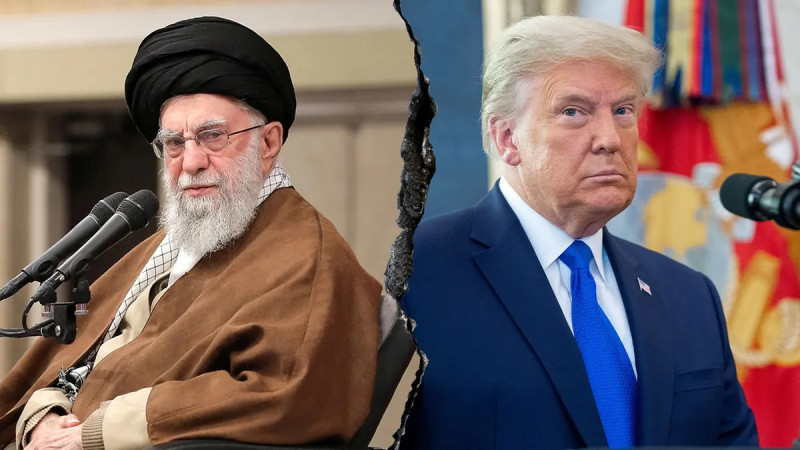
Iran's Supreme Leader, Ayatollah Ali Khamenei, is an enigmatic figure at the center of this escalating crisis. The recent assassination of a top Iranian commander, widely attributed to Israeli forces, has reignited tensions. The assassination, which occurred in the dead of night, has galvanized Iranian hardliners calling for immediate retaliation. In response, Iran has launched a series of precision missile strikes against Israeli targets, causing significant damage and casualties. Tehran has long maintained that foreign intervention in their internal affairs is unacceptable, and the latest events have only reinforced this stance.
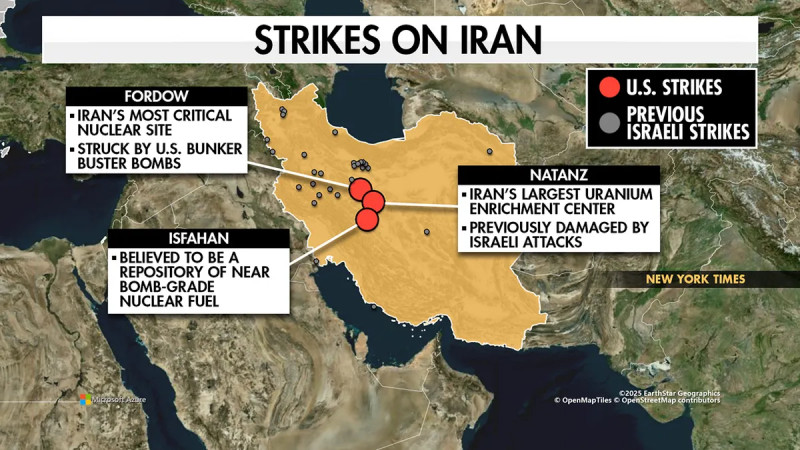
The retaliatory airstrikes by Israel, allegedly with U.S. support, have targeted critical Iranian military and nuclear facilities. This has resulted in high civilian casualties and widespread destruction, further inflaming tensions. The Iranian government has swiftly responded with measures aimed at bolstering its defense capabilities and countering Western aggression. The situation has reached a critical point, with both sides locked in a cycle of escalating violence.
Unrest and Sanctions: Internal Strife and Economic Woes
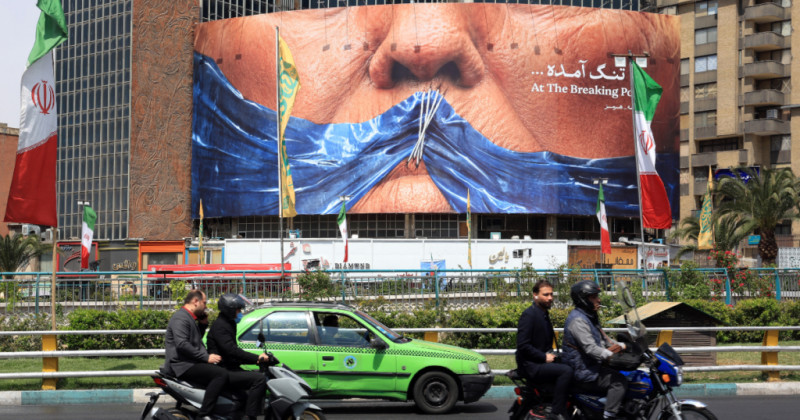
In the midst of these external threats, Iran is grappling with severe internal unrest and economic hardships. The Iranian Revolutionary Guard Corps (IRGC) has been a key player in maintaining internal stability and has been embroiled in conflicts with various opposition groups. The public backlash against the regime, coupled with stringent international sanctions, has created a perfect storm for unrest. The internet blackout, imposed by the regime to curb the spread of dissent, has further exacerbated the situation, leaving many citizens feeling isolated and frustrated.
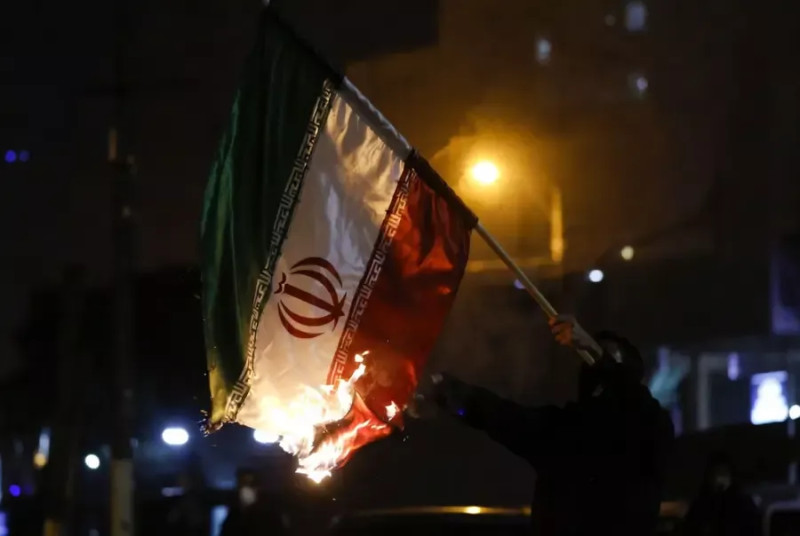
The regime's crackdown on protesters and dissenters has drawn international condemnation, with human rights organizations calling for urgent intervention. As the economy crumbles under the weight of sanctions, the Iranian people are suffering. Basic necessities are in short supply, and the cost of living has skyrocketed, pushing many into poverty. Protests have erupted across the country, with demonstrators calling for regime change and an end to the isolation. The regime has responded with force, deploying tanks and armored vehicles to quell the unrest.
The United States has led calls for increased sanctions and diplomatic isolation of Iran, citing its support for terrorism and nuclear ambitions. Several European countries have followed suit, imposing stringent measures to curb Iranian exports and imports. This has left Iran's economy in a precarious state, with its once-thriving industries now struggling to survive. The impact on ordinary Iranians has been devastating, with many losing their jobs and livelihoods.
Nuclear Ambitions and Regional Instability
Iran's ambitions to develop a nuclear weapons program have long been a point of contention with the international community. Despite repeated denials, evidence suggests that Iran is actively pursuing nuclear capabilities, a move that has raised alarm bells in Washington and Tel Aviv. The U.S. and Israel have responded with a series of covert operations and diplomatic maneuvers aimed at curbing Iran's nuclear ambitions. The situation has reached a critical point, with the potential for a full-blown conflict looming. The U.S. and its allies are preparing for the worst, with military forces on standby and diplomatic channels open.
The latest round of airstrikes, targeting Iranian nuclear facilities, has further complicated the situation. The strikes, which have caused significant damage, have been met with a swift and forceful response from Iran. This has raised concerns about the potential for a broader regional conflict, with Iran's allies, including Hezbollah and Hamas, also stepping up their military posturing. The situation remains highly volatile, with the potential for further escalation. The international community is watching closely as the U.S. and Iran edge closer to a potential showdown.
The US-Iran conflict is far from over, several key dates and events loom on the horizon. The next round of nuclear talks, scheduled for September, will be crucial in determining the future trajectory of the conflict. The U.S. and its allies are preparing for the worst, with military forces on standby and diplomatic channels open. Expect more from this front as the situation unfolds.
Expect the stakes to continue rising as the US-Iran deadlock intensifies.
How does this story make you feel?
 Up next · WorldFire and Fury: The Aaron F. Farinacci Arrest in Spokane's Wildfire Crisis