Iran's Missile Barrage: UAE's Oil Infrastructure Under Fire
The port of Fujairah, a key oil export hub for the UAE, is ablaze. The sky above Dubai is filled with the trails of intercepted missiles and drones. The calm of the evening is shattered by the distant thuds of explosions and the wail of sirens. Iran has just broken a fragile month-long ceasefire by launching a devastating missile and drone attack on the United Arab Emirates, targeting its oil infrastructure and the bustling metropolis of Dubai.
UAE's Air Defense Systems Under Siege
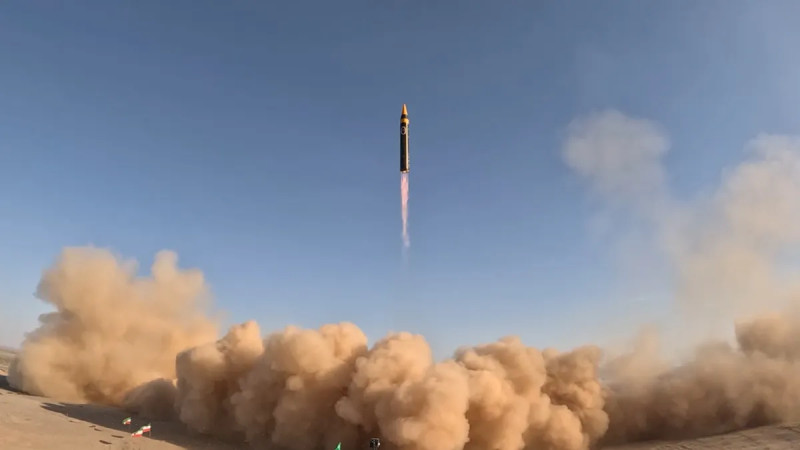
At approximately 19:30 local time, the UAE's air defense systems sprang into action as Iran fired a barrage of 12 ballistic missiles, three cruise missiles, and four drones towards the emirates. The barrage was part of a broader Iranian offensive, with some missiles directly targeting Dubai, the UAE’s commercial and tourism hub.
The Burj Khalifa, Dubai’s iconic skyscraper, stood as a silent sentinel, its lights flickering against the backdrop of intercepted missiles streaking across the night sky, an eerie reminder of the country's vulnerability despite its advanced defense systems. "This is not the first time we've faced such threats, but the scale of this attack is unprecedented," said Major Ahmed, an air defense officer stationed in Dubai, who was visibly shaken but resolute.
The UAE's air defense systems, a combination of advanced radars, interceptors, and missile defense batteries, worked tirelessly to intercept the incoming threats. The exact number of missiles and drones intercepted remains unclear, with reports ranging from 15 to 19 missiles and four drones.
"Our air defense systems are among the most advanced in the region, but the sheer volume of the attack tested our capabilities," Major Ahmed explained, his voice steady despite the chaos around him.
Fujairah Under Fire: The Impact on Oil Infrastructure
Fujairah, a strategic oil export hub, became the epicenter of the attack. The port, situated on the Gulf of Oman, is crucial for the UAE's oil exports, as it provides an alternative route to the Strait of Hormuz, a chokepoint often targeted by Iranian threats.
As the drones and missiles struck, a large fire broke out in the Fujairah Oil Industrial Zone. The inferno raged, casting an ominous glow over the port. "The fire is intense, and we are working to contain it," said Lieutenant General Mohammad, a senior official overseeing the emergency response. "We’ve had to evacuate several areas, and our firefighters are battling the blaze under difficult conditions."
The attack resulted in injuries to three Indian nationals, highlighting the international implications of the conflict. The UAE, a global hub for expatriates and international workers, now faces the daunting task of securing its citizens and foreign workers amidst escalating hostilities.
"This is a wake-up call for us. We need to strengthen our defenses and ensure the safety of all those who live and work here," said Lieutenant General Mohammad, his voice heavy with resolve.
Flights in and out of Fujairah were diverted to minimize the risk of collision with falling debris or further attacks. The airspace, usually vibrant with commercial flights, was eerily quiet as the threat loomed. The UAE's Civil Aviation Authority issued a statement urging all aircraft to reroute away from the affected areas, adding another layer of disruption to the region's already strained infrastructure.
The UAE's Ministry of Foreign Affairs swiftly condemned the attack, emphasizing that the ceasefire was violated without provocation. "Iran's actions are a clear breach of the ceasefire and an escalation of hostilities," stated a ministry spokesperson, adding that the UAE would take all necessary measures to protect its citizens and infrastructure.
International Reactions and the Road Ahead
The attack sent shockwaves through global financial markets, causing stock indexes to plummet and oil prices to surge. "We are closely monitoring the situation and coordinating with our international partners to ensure the safety of our citizens and interests in the region," said a representative from the UAE’s Ministry of Economy, highlighting the far-reaching implications of the conflict.
The UAE's decision to engage with Iran through diplomatic channels despite the ceasefire breach underscores the complexity of the region's geopolitical landscape. While the UAE is committed to maintaining regional stability, it must also address the immediate threat posed by Iran's aggressive stance. "We are committed to peace, but we will not hesitate to defend ourselves," said a high-ranking UAE diplomat, emphasizing the delicate balance between diplomacy and defense.
"The situation is fluid, and we are working around the clock to ensure the safety and security of our people," said a senior UAE official, his voice steady despite the chaos. "We have faced challenges before, and we will overcome this one too.
The UAE's response to the Iranian attack is a test of its defense capabilities and diplomatic resolve. As the world watches, the emirates stand at a critical juncture, balancing the need for security with the pursuit of peace in a region fraught with tension. Aware of the stakes, the UAE remains steadfast in its commitment to protect its people and infrastructure while seeking a path to lasting stability.
The first rays of light are beginning to break over the skyline of Dubai, reflecting off the shattered windows and damaged infrastructure. The city, battered but unbroken, stands as a testament to the resilience of the UAE. The skies, now clear of the remnants of the attack, offer a glimmer of hope amidst the turmoil. As the sun rises, the UAE prepares to face the day, its people united in their determination to rebuild and defend their homeland. The echoes of the night's chaos fade, but the memory of this moment lingers, a stark reminder of the challenges that lie ahead.
The Port of Fujairah, its flames finally extinguished, stands as a silent sentinel, a beacon of resilience amidst the chaos. The port, a vital lifeline for the UAE's oil exports, has weathered the storm, its infrastructure scarred but intact. As the sun rises, the port comes to life, its workers already at work, repairing the damages and preparing for the challenges ahead. The port, a symbol of the UAE's determination, stands tall, a testament to the nation's unwavering spirit. The scene is eerily reminiscent of the aftermath of the Battle of Britain, where the skies of London were filled with the echoes of bombing raids, yet the city stood defiant, its spirit unbroken. Much like London, Fujairah stands, resilient and steadfast, a beacon of hope amidst the chaos.
How does this story make you feel?
 Up next · WorldChaos erupts at Arcadia Lake, Oklahoma: 23 injured in mass shooting