Mamdani vs. Netanyahu: An Unlikely Clash
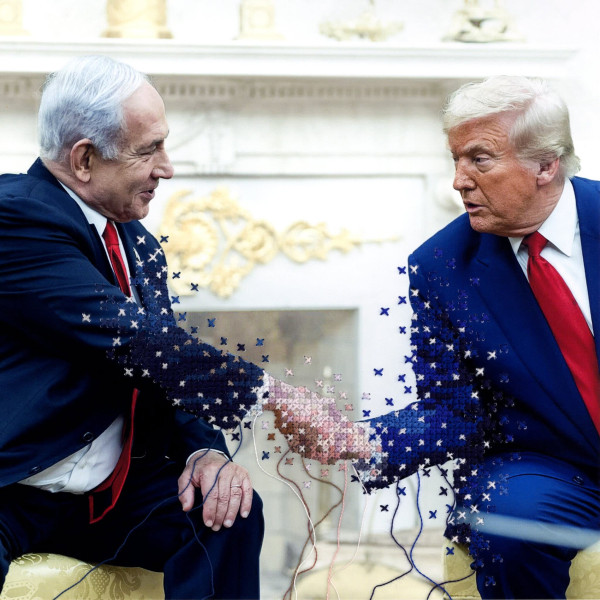
The international spotlight has turned once again to the Israeli Prime Minister Benjamin Netanyahu. This time, the controversy isn't about domestic politics, but rather an international warrant issued by the International Criminal Court (ICC). New York City Mayor Zohran Mamdani has joined the fray, calling on federal authorities to enforce the warrant, despite his own lack of legal authority to act.
ICC Warrant and Legal Constraints
The ICC issued a warrant for Netanyahu's arrest, but enforcing it in the United States is not as straightforward as it might seem. Mamdani, who initially pledged during his campaign to detain Netanyahu, has since acknowledged the limitations of his office. The mayor has no legal authority to enforce the ICC's warrant, a point he underscored in a recent video.
Mamdani has called on the federal government to step in, asserting that while New York City lacks the legal authority, the federal government does not face the same constraints. This call has sparked a debate about the extent to which local authorities should engage in international legal matters, especially those involving high-profile figures like Netanyahu.
Netanyahu, for his part, has criticized the ICC as a political tool and dismissed the warrant as unjustified. In a recent response, he labeled the ICC a "kangaroo court" and accused Mamdani of aligning with what he views as politically motivated prosecutions.
International Repercussions and Public Opinion
The warrant and the ensuing debate have far-reaching implications for international relations. Mamdani's stance has drawn both praise and criticism. Some see his actions as a bold move to hold international figures accountable for alleged war crimes, while others view it as a politically motivated attack on a foreign leader.
The debate has also brought to light the complexities of international law and the role of local authorities in enforcing warrants issued by international bodies. Mamdani's call to action underscores the tension between local governance and global legal frameworks, particularly when it comes to high-stakes cases like Netanyahu's.
Mamdani's actions have sparked a broader conversation about the limits of municipal authority in international legal matters and the potential for local officials to influence global politics. Consider the impact of a mayor's words and actions on the international arena. Could this set a precedent for other local authorities to take a stand on global issues that transcend their immediate jurisdictions? Think again.
Mamdani's Call to Action: A Provocative Move
Mamdani has continued to assert the ICC's warrant against Netanyahu is justified. But he leaves the enforcement to the federal government, underlining the limits of local authority in international legal matters. By calling on federal authorities to execute the warrant, Mamdani is challenging the status quo and pushing for a more assertive role for the U.S. in enforcing international legal standards.
Netanyahu's criticism of the ICC and Mamdani's actions adds another layer to this complex situation. His dismissal of the warrant as politically motivated reflects a long-standing tension between Israel and international legal bodies.
Mamdani's stance has been met with mixed emotions around the world. Some celebrate the mayor's boldness in calling for accountability, while others view it as a political stunt.
"Mamdani's actions highlight the power of local leaders to influence global affairs, even if their legal authority is limited," said an expert in international law. The intersection of local and global politics is a fascinating development that may reshape how we view the roles of municipal authorities in international legal matters.
“International bodies like the ICC play a pivotal role in holding world leaders accountable, but the enforcement of their warrants often hinges on the actions of local and federal authorities.” — Expert in International Law.
Mamdani's decision may have triggered a series of events that could reshape the future of how international legal warrants are enforced, particularly when it comes to high-profile figures like Netanyahu. What further impact will this have on international relations and legal enforcement?
How does this story make you feel?
 Up next · PoliticsAmish Shah and the Feely Factor in the 2026 GOP Congress Race