Allergy Medication Recalled in 2026: A Cautionary Tale of Cross-Contamination

The unassuming bottle of allergy relief medication tucked in your medicine cabinet might just be a ticking time bomb. This summer, the U.S. Food and Drug Administration (FDA) has stirred the pharmaceutical waters with a widespread recall of certain antihistamines, notably impacting generic versions of Zyrtec.
Understanding the Cetirizine Hydrochloride Recall: What You Need to Know
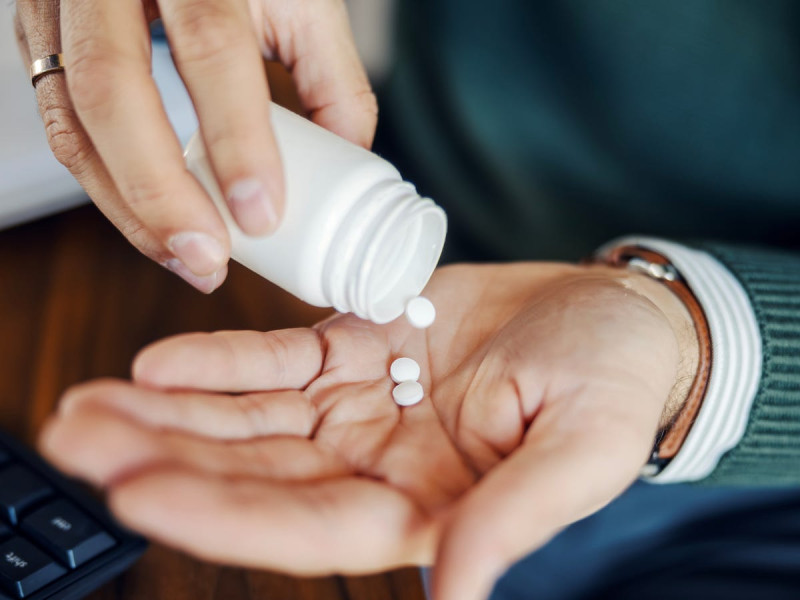
The recall affects Cetirizine Hydrochloride tablets, a generic form of the popular allergy medication Zyrtec, due to potential cross-contamination with a heartburn drug known as ranitidine. Unique Pharmaceutical Laboratories, a division of J. B. Chemicals & Pharmaceuticals Ltd., issued a voluntary nationwide recall of these tablets and the lot numbers are listed on FDA's website.
This recall is a stark reminder of the inherent risks in pharmaceutical production, where even microscopic contaminants can have life-altering consequences. The affected lots of Cetirizine Hydrochloride tablets are sold in 100-count bottles and can be identified by checking the manufacturer details and lot number on the bottle.
The Impact of Cross-Contamination: Life-Threatening Reactions
The potential for cross-contamination in pharmaceuticals is a chilling prospect. Cetirizine, an antihistamine used to treat allergy symptoms, is now under scrutiny due to its contamination with ranitidine, a heartburn drug that can cause severe, life-threatening side effects in some consumers. This situation underscores the importance of stringent quality control measures in drug manufacturing. As consumers, we often take our medications with a sense of trust, relying on the labeling and assurances provided by manufacturers. But this recall serves as a cautionary reminder that even seemingly innocuous over-the-counter drugs can harbor risks.
In a recent statement, Unique Pharmaceutical Laboratories acknowledged the potential danger, emphasizing the need for immediate action. "The risk of cross-contamination with ranitidine is significant, and we are taking this recall very seriously," said a spokesperson for the company.
Consumer Actions and Future Concerns
For consumers who have purchased the recalled Cetirizine Hydrochloride tablets, the advice is clear: stop using the medication immediately and contact your healthcare provider or pharmacist for guidance. The FDA and Unique Pharmaceutical Laboratories are working together to ensure that affected products are removed from the market.
The recall has triggered a wider discussion on the safety of generic medications. While generics are often more affordable, the quality and safety standards must match those of brand-name drugs. This incident raises questions about the oversight and regulation of generic drug manufacturers. Cetirizine Hydrochloride recall 2026.
As consumers, we navigate a complex landscape of pharmaceuticals, often relying on the expertise of healthcare providers and the assurances of regulatory bodies. However, incidents like this one underscore the importance of vigilance and the need for robust regulatory frameworks to ensure the safety of medications. As we grapple with the fallout of the Cetirizine Hydrochloride recall, it is crucial to remember that the safety of our medications is not a given. It is a collective responsibility that demands continuous scrutiny and improvement.
As we look to the future, the allergy medication recall 2026 serves as a stark reminder of the ongoing vigilance required in pharmaceutical production and regulation. The next time you reach for that bottle of allergy relief, remember the potential risks hidden within, and the need for a watchful eye to ensure the safety of our medications.
How does this story make you feel?
 Up next · HealthPrincess Kate's latest Cancer Battle & Prince William's Public Show of Support