Levothyroxine Recall: A Nationwide Crisis for Thyroid Patients
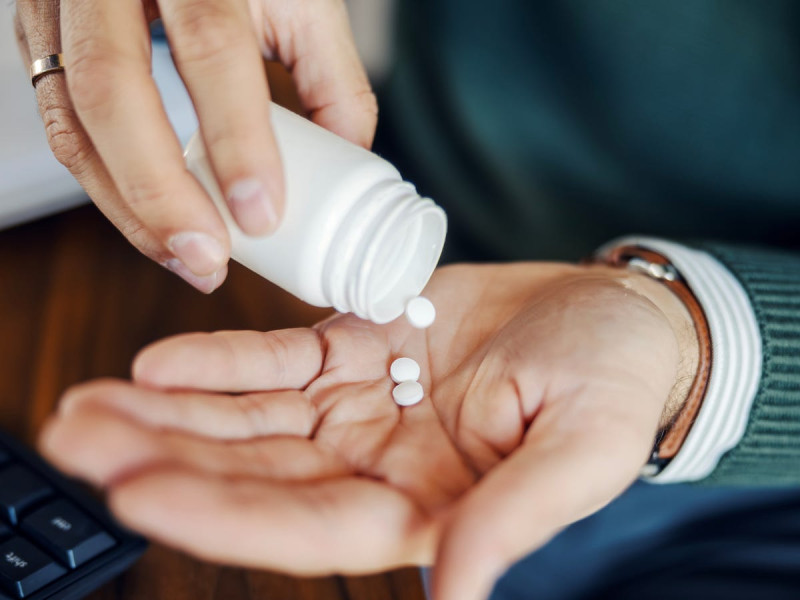
Patients nationwide are scrambling to find answers, as the FDA's levothyroxine recall disrupts routine treatment for millions of hypothyroid patients. The levothyroxine recall extends beyond just one manufacturer, with a cascade of recalls initiated by multiple pharmaceutical companies, including Alvogen, Inc and Accord Healthcare, Inc. All of them have seen a direct impact on patients seeking treatment for hypothyroidism.
The Scope of the Levothyroxine Recall: What's Happening Nationwide?
The levothyroxine recall is a nationwide issue, affecting millions who rely on the medication to manage their thyroid conditions. The levothyroxine recall has been classified as a Class II recall by the FDA, indicating that the medication may cause temporary or medically reversible adverse health consequences or where the probability of serious health consequences is remote. Levothyroxine is a synthetic thyroid hormone used to treat hypothyroidism and other thyroid-related conditions, making it a critical medication for many patients.
Major Pharmaceuticals, Alvogen, Inc, and Accord Healthcare, Inc have all initiated voluntary recalls for levothyroxine sodium tablets, citing product mix-ups and subpotent assay results as the reasons for the recall. These issues can severely impact the effectiveness of the medication, leaving patients under-treated and at risk for complications from untreated hypothyroidism.
Why is Levothyroxine Being Recalled? Understanding the Issues
The levothyroxine recall is primarily due to subpotent assay results, which means the medication may contain less of the active ingredient than intended. This can lead to inadequate treatment of hypothyroidism, causing symptoms such as fatigue, weight gain, and depression to worsen or return. Additionally, product mix-ups can result in incorrect dosages or contaminated tablets, posing further risks to patients.
Pharmacists and healthcare providers are being urged to review their inventory for affected lot numbers and follow recall instructions provided in the notification letters from the FDA. Patients should also check their prescriptions and contact their healthcare providers if they believe they may have been affected by the recall.
According to Major Pharmaceuticals, the recall, initiated on July 13, 2026, affects multiple strengths and lot numbers of levothyroxine sodium tablets, underscoring the widespread impact of this issue.
How Will the Levothyroxine Recall Impact Patients and Providers?
For patients, the levothyroxine recall means uncertainty and potential health risks. Those who rely on the medication to manage their thyroid conditions may experience a worsening of symptoms if they discontinue use or switch to an alternative treatment. Healthcare providers, meanwhile, are faced with the challenge of managing patient care during this disruption. The FDA has provided a searchable list of recalled products to help providers and patients stay informed.
Since this article was written, the FDA has classified the recall as a Class II, indicating that the medication may cause temporary or medically reversible adverse health consequences. Many patients and providers are still unaware of the seriousness of the recall and the potential impact on patient health.
The FDA considers a Class II recall to be a situation in which use of, or exposure to, a violative product may cause temporary or medically reversible adverse health consequences or where the probability of serious adverse health consequences is remote.
In a statement, the FDA said that levothyroxine is a synthetic thyroid hormone indicated for the treatment of hypothyroidism and for suppression of thyroid-stimulating hormone (TSH) in certain clinical settings. The FDA is urging patients and healthcare providers to remain vigilant and take the necessary steps to ensure patient safety during this recall. Levothyroxine is essential for thyroid patients to manage their conditions effectively and with the ongoing recall, patients and providers alike are left wondering what comes next.
How does this story make you feel?
 Up next · HealthNationwide Levothyroxine Recall Stirs Uncertainty for Thyroid Patients in 2026