Egg Recall Brands in Spotlight: Salmonella Outbreak Prompts Urgent FDA Warning
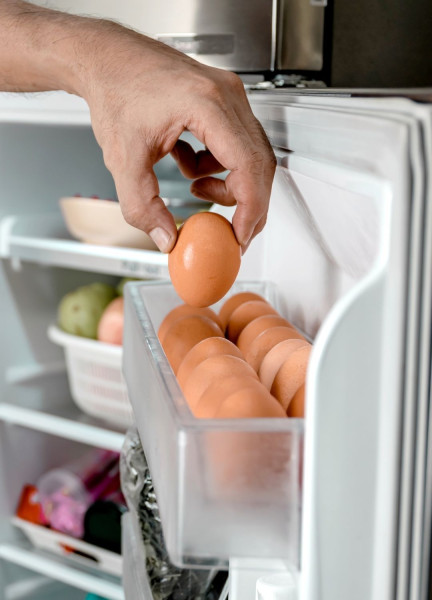
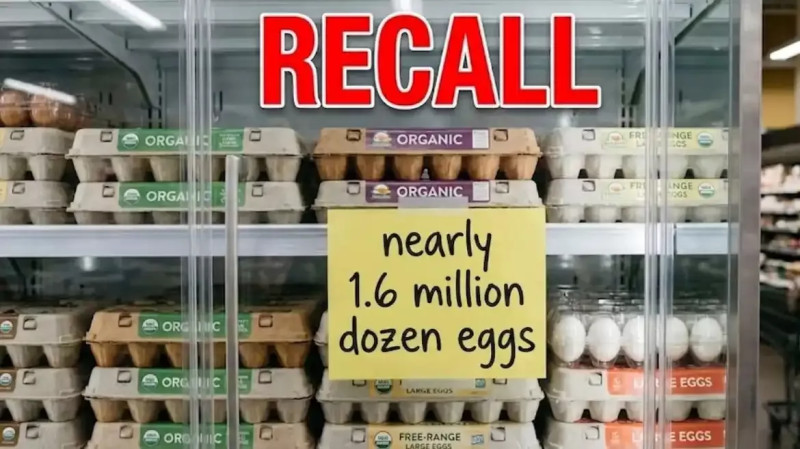
In a move that has sent shockwaves through the food industry, the U.S. Food and Drug Administration (FDA) has issued its most severe classification for a recent egg recall, affecting nearly 1.6 million dozen eggs produced in Texas. The recall, initiated by Midwest Poultry Services, L.P., comes amidst a multistate outbreak of salmonella infections, raising urgent concerns about food safety and public health.
The Urgent Recall: Midwest Poultry Services and the Salmonella Threat
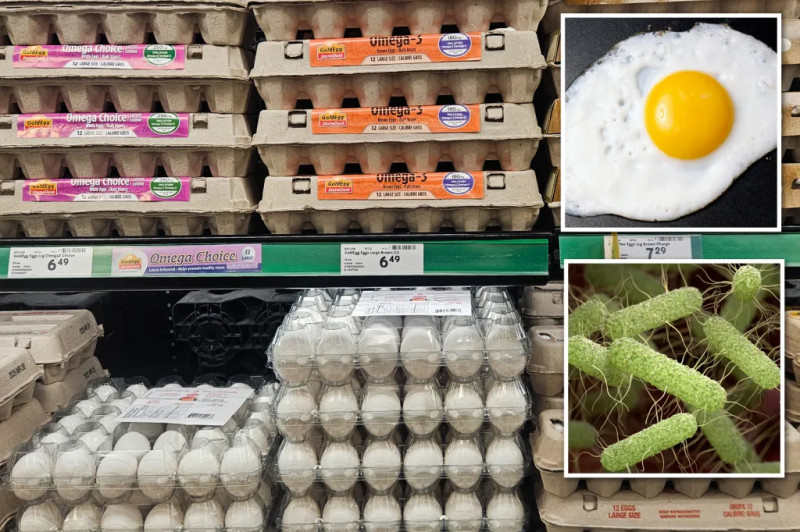
Midwest Poultry Services, L.P., a major egg producer, has voluntarily recalled 1,589,577 dozen white and brown, cage-free shell eggs produced at its Texas facilities. The FDA has classified this recall as Class 1, indicating a situation in which there is a reasonable probability that the use of or exposure to a violative product will cause serious adverse health consequences or death. The potential contamination with salmonella has prompted a nationwide health alert, with over 100 confirmed cases of infection.
The recall encompasses both white shell eggs and brown cage-free eggs, which are commonly used in households and commercial food services. The affected products were distributed across multiple states, and the FDA advises consumers to check their supplies for the recalled brands and immediately discard or return any suspect eggs.
Consumers are urged not to eat, sell, or serve the recalled eggs, and to thoroughly clean any surfaces that may have come into contact with them. This includes refrigerators, countertops, cutting boards, and utensils.
Public Health Impact: Salmonella Infections and FDA Response
The FDA's swift response to the salmonella outbreak underscores the agency's commitment to public health and safety. The recall, first initiated over a month ago, has been upgraded to the highest risk level following the growing number of infections. The CDC and state health departments are actively investigating the outbreak, working closely with the FDA to trace the source of the contamination.
Salmonella infections can cause severe gastrointestinal symptoms, including fever, diarrhea, and abdominal cramps, and can be life-threatening, especially for young children, the elderly, and those with weakened immune systems. The CDC recommends throwing out any recalled eggs and thoroughly cleaning any surfaces that may have come into contact with them.
Consumers have been warned to be vigilant about food safety, checking expiration dates, and storage instructions for all egg products.
The FDA continues to advise consumers to thoroughly cook all eggs and egg products to a safe internal temperature of 160°F (71°C) to kill any potential bacteria.
The Road Ahead: Preventing Future Outbreaks
The ongoing investigation into the salmonella outbreak serves as a stark reminder of the importance of rigorous food safety practices. As health officials work to contain the current threat, the focus shifts to preventing future incidents. This includes enhanced surveillance, stricter regulations, and increased consumer awareness.
As Midwest Poultry Services, L.P. works to address the contamination and regain consumer trust, the industry as a whole is likely to face increased scrutiny. The FDA's high-risk classification of the recall underscores the urgent need for vigilance and transparency in food production and distribution.
“This recall is a critical reminder of the importance of food safety and the need for constant vigilance in the food production industry. The FDA will continue to work closely with public health officials to ensure the safety of the nation's food supply”.
“As the investigation continues, the FDA is committed to protecting public health. We urge consumers to remain vigilant and to take necessary precautions to prevent salmonella infection. We will continue to provide updates as more information becomes available”.
Consumers are advised to stay informed and to take proactive steps to ensure the safety of their food supplies. If you have recalled eggs in your home or business, discard them immediately or return them to the point of purchase. For more information, visit the FDA's website or contact your local health department. The FDA's work is ongoing, and the agency will continue to provide updates as the investigation progresses. Meanwhile, consumers are urged to remain vigilant and take proactive steps to ensure the safety of their food supplies. If you have recalled eggs in your home or business, discard them immediately or return them to the point of purchase. For more information, visit the FDA's website or contact your local health department.
How does this story make you feel?
 Up next · HealthFDA Upgrades Massive Egg Recall to Highest Risk Level