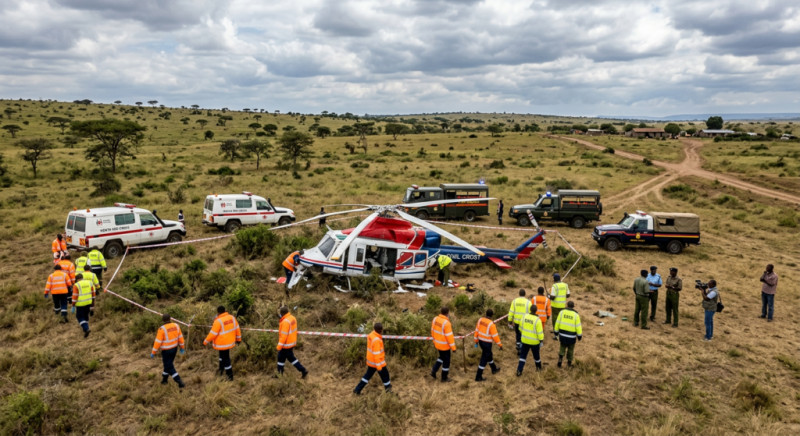
Kenmore Air Crash: A Drama Unfolds in the San Juan Islands

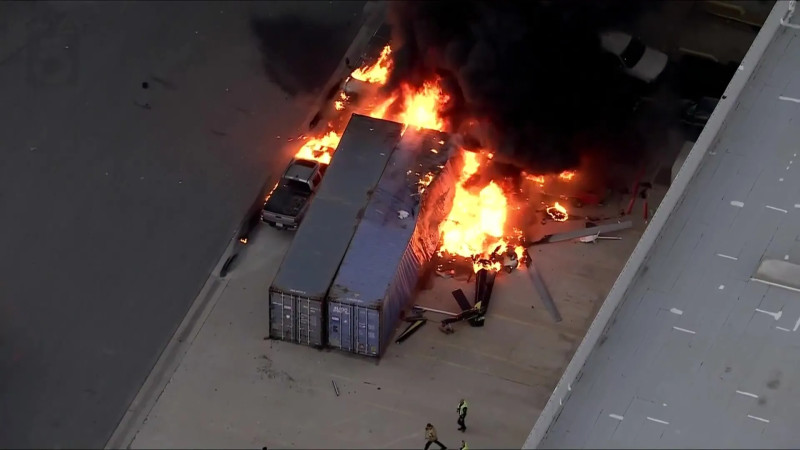
In the tranquil waters of the San Juan Islands, a routine flight turned into a harrowing ordeal as a Kenmore Air floatplane crashed into the sea, just off the coast of Sucia Island. The dramatic scene unfolded on Thursday evening, July 23, 2026, with 11 passengers and crew aboard — and the fate of all those on board hanging in the balance.
The Emergency Landing: A Race Against Time
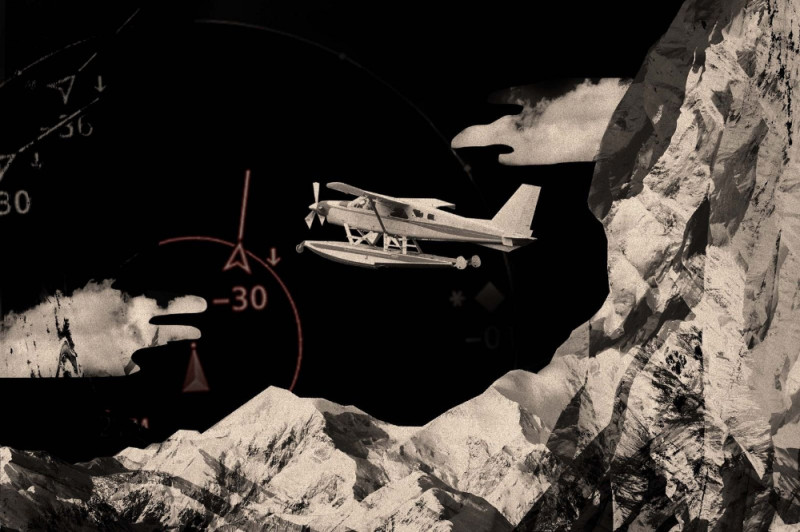
The Kenmore Air seaplane, a de Havilland DHC-3 Otter, departed from Seattle's Lake Union at approximately 4:30 pm, bound for Roche Harbor on San Juan Island. The flight had gone smoothly, but as it approached its destination, disaster struck. The aircraft crashed into the waters near Sucia Island, triggering a swift and massive rescue operation.
The Kenmore Air crash was met with an immediate and coordinated response from the US Coast Guard and local emergency services. The US Coast Guard played a pivotal role in the rescue mission, working alongside several local emergency agencies to ensure the safety of all on board.
The rescue operation was fraught with tension, as each minute counted in the race against time to bring the passengers and crew to safety. The rescue teams swiftly sprang into action, navigating the challenging conditions of the open water to reach the crash site.
A Successful Rescue: All 11 Aboard Safely Accounted For
The rescue effort was a resounding success, with all 11 people, including 10 passengers and one pilot, accounted for and safely rescued. Four people sustained injuries and received immediate medical attention.
"We are relieved to report that all passengers and crew have been accounted for and are receiving the necessary medical care," said a spokesperson for Kenmore Air.
This successful outcome is a testament to the swift and effective response of the rescue teams, their expertise, and dedication in the face of a challenging and time-sensitive situation.
Investigations Continue Amidst Safety Concerns
As the rescue operation concluded, the focus shifted to investigations and safety concerns. The United States Coast Guard is currently investigating the cause of the crash. The de Havilland DHC-3 Otter is known for its reliability, but the accident has raised questions about the safety protocols for seaplanes operating in the San Juan Islands.
"It is crucial that we determine the cause of this incident to prevent similar events in the future," said a spokesperson for the US Coast Guard. Authorities are now working to piece together the events leading up to the crash, analyzing both mechanical and human factors.
Air travel, particularly in seaplanes, has always carried an element of risk, and the recent Kenmore Air crash has underscored the importance of rigorous safety measures and constant vigilance.
While the investigation is ongoing, it is clear that the Kenmore Air crash is a stark reminder of the inherent risks associated with air travel, especially in challenging environments. The Kenmore Air crash serves as a reminder of the importance of conducting thorough investigations and implementing robust safety measures to prevent such incidents in the future.
Next steps: Awaiting the results of the Kenmore Air crash investigation, Kenmore Air and authorities are committed to ensuring the safety of all passengers and crew in the future. Stay tuned for further updates on the cause of the crash and the ongoing safety measures being implemented.
How does this story make you feel?
 Up next · WorldUkraine's Drones Reshape Russia's War Strategy