Massive cyclosporiasis outbreak linked to four more states

The Centers for Disease Control and Prevention (CDC) has announced that the ongoing cyclosporiasis outbreak has now expanded to include four additional states. This development raises alarming questions about the safety of the food supply chain and the effectiveness of current public health measures. The cyclosporiasis outbreak, which has already sickened thousands, is linked to contaminated iceberg lettuce, highlighting the urgent need for stricter food safety protocols and enhanced surveillance mechanisms to prevent future outbreaks. As the nation braces for more cases, let's delve into the details of this escalating health crisis.
The escalating threat: Cyclosporiasis infections surge
The cyclosporiasis outbreak has rapidly escalated, with the CDC confirming 4,173 lab-confirmed cases across the country since May 1, 2026. This cyclosporiasis outbreak is concerning, especially given that the infections are linked to contaminated iceberg lettuce, a common ingredient in salads and sandwiches. The outbreak has now reached nine states, with Illinois, Kansas, Oklahoma, and Pennsylvania being the latest to report cases. The CDC, along with the Food and Drug Administration (FDA) and public health officials in the affected states, is actively investigating the source of the contamination to contain the spread and mitigate further risks.
The human cost: Symptoms and public health implications
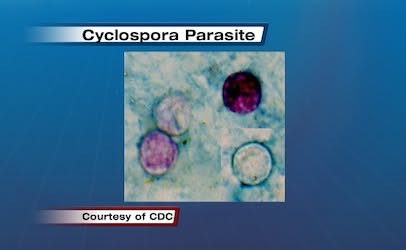
The cyclosporiasis outbreak has had a devastating impact on public health, with symptoms that can persist for weeks. Cyclosporiasis is caused by the microscopic parasite Cyclospora, which leads to severe gastrointestinal distress, including explosive diarrhea, vomiting, and abdominal pain. These symptoms can result in dehydration and other complications, particularly in vulnerable populations such as the elderly and young children. The CDC has emphasized the importance of early detection and treatment, urging individuals with symptoms to seek medical attention promptly. The agency has also provided guidelines on preventative measures, including thorough washing of fruits and vegetables and avoiding raw or undercooked foods.
Let's not kid ourselves: The challenges in tracking and managing the outbreak
Despite the CDC's and FDA's concerted efforts, managing the cyclosporiasis outbreak remains a significant challenge. The complexity of the food supply chain and the widespread distribution of contaminated products make it difficult to trace the source of the contamination. Additionally, the parasite's ability to survive in various environmental conditions and its low infective dose contribute to its rapid spread. The lack of real-time data on food safety practices and the limited resources allocated to public health surveillance further complicate efforts to contain the outbreak. As the epidemic continues to unfold, there is a pressing need for enhanced surveillance, stricter food safety regulations, and increased public awareness to mitigate the risks associated with such outbreaks. Some experts argue that the current outbreak highlights fundamental flaws in the food safety system, suggesting that more stringent oversight and proactive measures are necessary to prevent similar incidents in the future.
However, there are also counter-arguments suggesting that the current outbreak may be a result of an overload on the food supply chain due to increased demand for fresh produce. Some industry experts argue that the issue lies not with the safety protocols but with the unprecedented strain on the system, leading to lapses in quality control.
Here's what nobody's asking: if the current public health infrastructure is capable of handling future outbreaks of this scale. As the cyclosporiasis outbreak continues to spread, the question remains: What measures are being taken to ensure the safety of our food supply and protect the health of millions of Americans? The data is damning, and the stakes are high. The time for action is now.
How does this story make you feel?
 Up next · HealthEgg Recall July 2026: A Massive Recall of 19 Million Eggs