Egg Recall July 2026: A Massive Recall of 19 Million Eggs
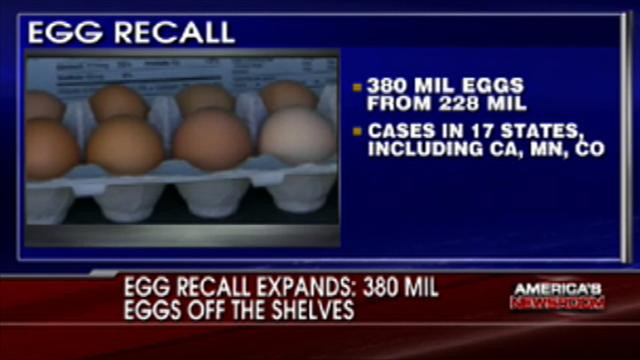
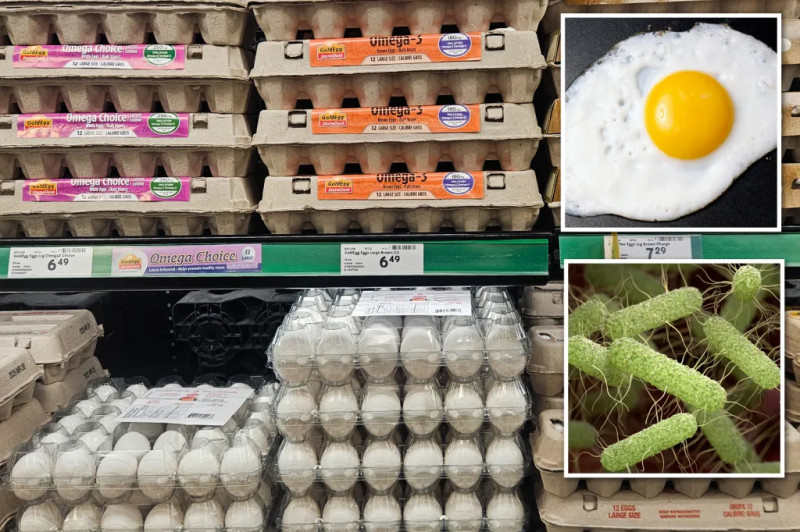
The egg recall of July 2026 has hit the headlines, leaving many consumers scrambling to check their refrigerators. A staggering 19 million eggs have been recalled due to potential Salmonella contamination, affecting Kroger and Brookshire's stores across six states. This isn't just a minor inconvenience; it's a stark reminder of the intricacies of our food supply chain and the rigorous safety measures required to protect consumers.
The Scope of the Recall
The egg recall is extensive, encompassing 1,589,577 dozen eggs, which translates to over 19 million individual eggs. Midwest Poultry Services, the company behind the recall, has identified a potential risk of Salmonella contamination, a bacteria that can cause serious foodborne illness. The recall affects eggs produced and distributed between June 6 and July 3, 2026, and has been implemented across multiple states, including those with significant Kroger store presence.
Sound familiar? Remember the 2010 Salmonella outbreak linked to eggs? This is a different scale, but the underlying concerns are the same. The company has halted fresh egg shipments from the affected farms while the source of the contamination is under investigation. No illnesses have been reported as of the recall announcement, but the potential risk is significant.
What Consumers Need to Know
Here's the thing: if you've purchased eggs from Kroger or Brookshire's in the past few weeks, you need to act. The recalled eggs include both white and brown cage-free shell eggs, as well as brown certified organic eggs. The August Egg Company has also issued a separate recall for 1.7 million dozen brown cage-free and brown certified organic eggs, adding to the complexity of this situation.
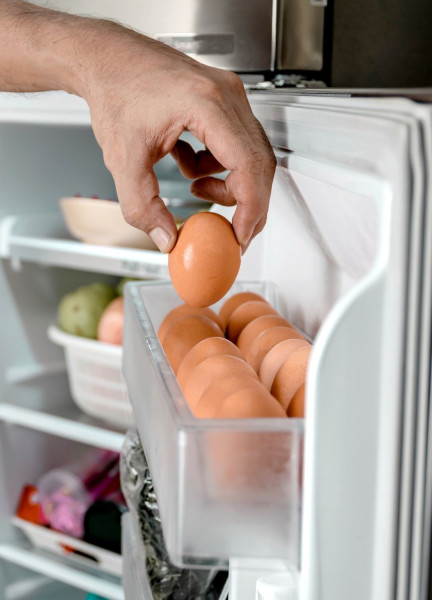
And then — get this — the recall affects not just one but multiple brands. Kroger, Brookshire's, and other stores are all implicated. The affected states include significant regions with a high density of these grocery stores, making it a widespread issue. Check your fridge for the recalled eggs, and toss or return them if you find any. The FDA and local health departments are urging caution, emphasizing the potential health risks associated with Salmonella contamination.
Consumers are advised to look for specific details on the packaging, including the plant number, Julian date, and state number, to identify the affected eggs. The affected states and specific brands are listed in detailed recall alerts, making it easier for consumers to verify the safety of their eggs.
“Salmonella is a serious health risk, and it’s crucial for consumers to be vigilant during a recall like this. Checking your eggs and taking appropriate action can prevent potential illness.”
The Broader Implications
Look, we all rely on the food supply chain to be safe and reliable. And the egg recall of July 2026 highlights the importance of stringent safety protocols and immediate action in the face of potential contamination. Midwest Poultry Services' voluntary recall is a proactive step, but it underscores the ever-present risk of foodborne illnesses. This issue will lead to increased scrutiny and potentially stricter regulations, ensuring that such incidents are minimized in the future.
To wrap up, if you were wondering why you should care, remember that this egg recall is not just about eggs; it's about the broader food system and its vulnerabilities. The interplay between public health, corporate responsibility, and consumer safety is complex, but it's a critical conversation to have in a world where foodborne illnesses can have devastating impacts. If we can learn from this incident, we can better prepare for future challenges in our food supply chain.
How does this story make you feel?
 Up next · HealthMega Egg Recall 2026: 19 Million Eggs Pulled from Stores for Salmonella