Salmonella Outbreak in UK: Hundreds Fall Ill from Imported Eggs
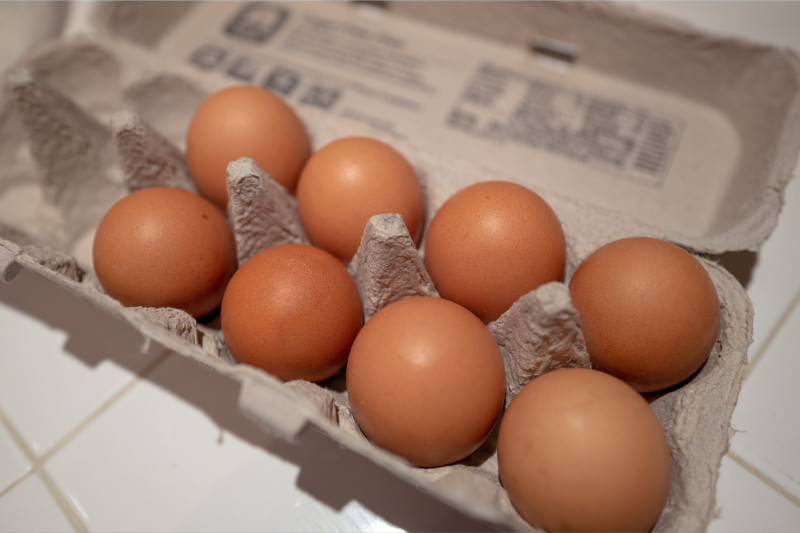
The UK is grappling with a severe salmonella outbreak, leaving one person dead and hundreds hospitalized. The source of this public health crisis has been traced to contaminated imported eggs, sparking urgent warnings and investigations.
The Devastating Toll of the Salmonella Outbreak
The current salmonella outbreak in the UK has resulted in over 200 confirmed cases, with one tragic fatality. Officials from the UK Health Security Agency (UKHSA) have identified the outbreak as a result of contaminated imported eggs, highlighting the potential dangers of foodborne illnesses.
Over a third of those affected were admitted to hospitals, with two patients developing life-threatening complications. The widespread nature of the outbreak has led to significant public alarm and a heightened focus on food safety measures. Think again. The full extent of the outbreak is still being assessed, as health officials continue to monitor and investigate new cases.
Imported Eggs: The Root of the Problem
The UKHSA has identified imported eggs as the primary source of the salmonella outbreak. The agency is conducting a thorough investigation to determine the exact origin and distribution of the contaminated products. This incident underscores the importance of stringent food safety regulations and the need for vigilant import controls.
Food safety experts have emphasized the importance of proper handling and cooking of eggs to prevent salmonella infection. Consumers are advised to cook eggs thoroughly, avoid eating raw or undercooked eggs, and maintain strict hygiene practices in kitchen environments.
Public Health Response and Prevention Measures
In response to the crisis, health authorities have issued urgent warnings to the public, urging caution when consuming eggs and egg-based products. The UKHSA is working closely with food safety regulators to contain the outbreak and prevent further spread.
Gone. Food businesses are being urged to review their supply chains and ensure that any imported eggs meet the highest standards of safety and quality. The outbreak serves as a stark reminder of the vulnerabilities in the food supply chain and the need for robust regulatory frameworks to protect public health.
Symptoms of salmonella infection can include fever, diarrhea, and abdominal cramps, typically occurring within 12 to 72 hours after consuming contaminated food. While most individuals recover without treatment, severe cases can lead to hospitalization and even death, particularly in vulnerable populations such as the elderly, young children, and those with weakened immune systems.
Do you think you understand the seriousness of foodborne illnesses? The UKHSA continues to monitor the situation closely, providing regular updates and guidance to the public. The agency is also working to identify the specific source of the contamination and implement measures to prevent future outbreaks.
The salmonella outbreak in the UK is a stark reminder of the potential risks associated with food imports and the critical need for vigilant health monitoring and public education.
"This outbreak highlights the importance of robust food safety measures and the need for consumers to be vigilant about the foods they consume. It's a call to action for both regulators and the public to work together to prevent such incidents in the future." - UK Health Security Agency Spokesperson.
How does this story make you feel?
 Up next · HealthModerna Stock Surges on Melanoma Vaccine Breakthrough