Trump’s Controversial Warning Sign Order at Smithsonian: A Flashpoint for Historical Truth
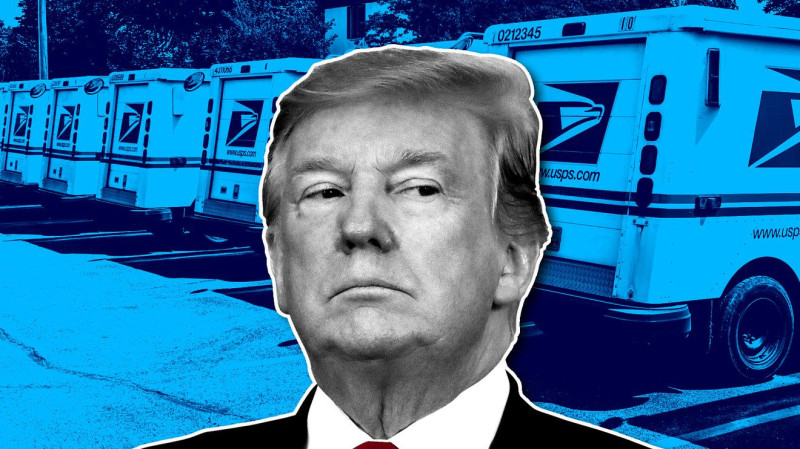
In a move that has stirred both controversy and debate, former President Donald Trump issued an executive order to have warning signs installed around the Smithsonian National Museum of American History. This directive, aimed at alerting visitors to what the administration deemed "inaccurate information," has sparked a heated discussion about the role of museums in presenting historical narratives. The order, issued in 2026, comes at a time when public discourse about the accuracy and fairness of historical representation is at its peak, and it raises critical questions about how museums can navigate these complex issues and historical truth.
The Executive Order: Trump’s Directive to Install Warning Signs
The executive order, which mandated the installation of temporary signage at the Smithsonian National Museum of American History, directed federal officials to install signs warning visitors about potential inaccuracies in the exhibits. This directive came as part of a broader effort by the Trump administration to correct what they saw as misrepresentations of American history. The signs were designed to inform visitors about a White House report and to direct them to resources for what is deemed "accurate information regarding America's history." This move is seen as a direct intervention into the institutional autonomy of the Smithsonian and its approach to historical interpretation.
The order also called for a temporary exhibit that corrects information deemed inaccurate by the administration. This directive has drawn criticism from historians and museum professionals who argue that it undermines the integrity of historical scholarship and the role of museums as impartial presenters of history. The Smithsonian officials, in response, have declined to comment on Trump's order, but the move has undoubtedly put the spotlight on the museum's practices and its independence from external political pressures
The Controversy Surrounding the Smithsonian Warning Signs
The installation of these warning signs has sparked a storm of controversy, with critics arguing that the directive is a politically motivated attempt to control the narrative of American history. Many historians and museum professionals have expressed concern that such interventions could lead to a sanitized and politically charged version of history. This move has been widely debated in the media, with some commentators suggesting that it could set a dangerous precedent for future administrations to interfere in the work of cultural institutions.
On the other hand, supporters of the order argue that it is a necessary step to ensure that visitors are aware of differing perspectives and that they have access to a balanced view of history. They point out that museums should be transparent about their sources and the potential biases in their presentations. This counter-argument highlights the complex issue of historical representation and the challenge of balancing accuracy, objectivity, and inclusivity in museum exhibits.
The Historical and Political Context of Trump’s Directive
Trump’s executive order to install warning signs at the Smithsonian National Museum of American History can be seen as part of a broader effort to reshape the narrative of American history. This move comes in the wake of an ongoing debate about the portrayal of historical events and figures, particularly those related to race, culture, and social issues. The directive reflects a growing trend of political intervention in cultural institutions, raising questions about the role of the state in shaping public discourse and historical memory. The Smithonian, as a revered institution, is expected to present a balanced and accurate portrayal of American history, and any intervention from the government could potentially undermine this mission.
Trump's directive is also a notable example of how political leaders can use executive power to influence cultural narratives. This move underscores the tension between political agendas and the mission of cultural institutions to present history in an unbiased and comprehensive manner. As this controversy continues to unfold, it serves as a reminder of the delicate balance between historical accuracy and political influence, and the importance of preserving the integrity of cultural institutions in the face of external pressures.
Let's not kid ourselves—this is a direct attack on the independence of cultural institutions. The directive to install warning signs at the Smithsonian is a stark reminder that the integrity of historical representation is under threat. The order, with its emphasis on correcting perceived inaccuracies, raises questions about the broader implications for museums and their role in society. The data is damning: political interference could erode the trust and credibility of these institutions, leading to a distorted and biased view of history. This isn’t just about signs; it’s about the future of how we understand and teach our past.
Smithsonian officials have declined to comment on Trump's order, but their silence speaks volumes about the complexity of navigating such a politically charged issue. Here's what nobody's asking: What does this mean for the future of historical interpretation in museums? How will other institutions respond, and what safeguards can be put in place to protect the integrity of historical narratives?
This issue goes far beyond the Smithsonian; it touches on the very essence of how we remember and interpret our history. Let’s engage in a dialogue, not a directive. Let’s place the spotlight on preserving the integrity of our history, not on political agendas. Here's what nobody's asking: Will this directive embolden more political interference in cultural institutions, or will it be a turning point for strengthening their independence?
“This is a clear attempt to politicize history, and it's deeply concerning for anyone who values the integrity of our cultural institutions,” said a leading historian who wished to remain anonymous. “The implications of this order are far-reaching, and it’s crucial that we stand up for the independence of our museums and the objective presentation of history.”
“It is absolutely clear that this directive is about more than just signs. It's about control, and it's about the future of how we remember our history. We must be vigilant in protecting the independence of our cultural institutions and ensuring that history is presented in a fair and accurate manner,” says a leading historian who wished to remain anonymous.
How does this story make you feel?
 Up next · PoliticsCorrespondents' Dinner Tonight: A Night of Healing and Unity