Nationwide Levothyroxine Recall Stirs Uncertainty for Thyroid Patients in 2026

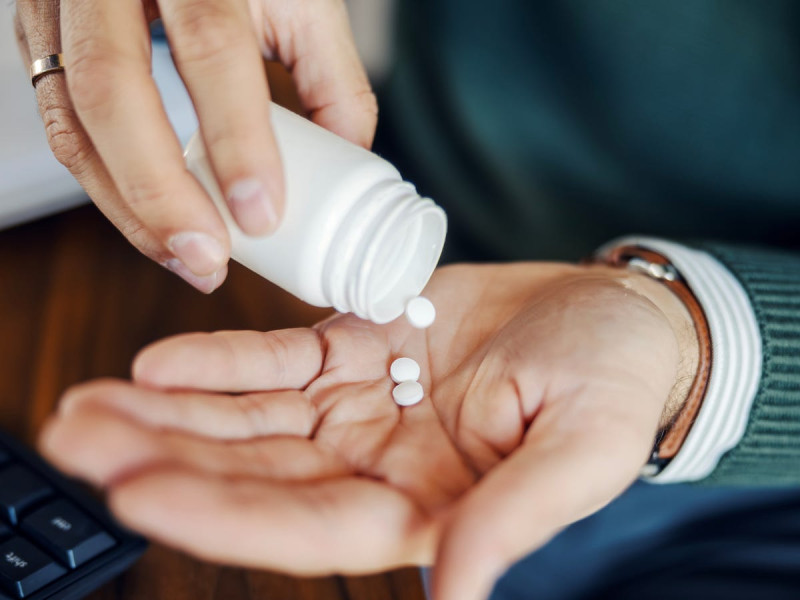
The levothyroxine recall announced nationwide in 2026 has sent shockwaves through the medical community and left many thyroid patients in a state of uncertainty. The FDA recalls of levothyroxine sodium tablets, a crucial medication for managing hypothyroidism, have been ongoing since September 2025, with multiple batches found to be subpotent.
Ongoing Levothyroxine Sodium Tablets Recall: What Patients Need to Know
The levothyroxine recall is a Class II recall, initiated by Accord Healthcare, Inc., due to subpotent assay results. Major Pharmaceuticals and Macleods Pharmaceuticals Limited have also issued recalls for multiple strengths and lot numbers of levothyroxine sodium tablets. This means that the medication is not delivering the full therapeutic effect required to manage hypothyroidism effectively, a condition affecting millions of Americans.
FDA Guidance Amid Levothyroxine Recall: Steps for Healthcare Providers and Patients
The FDA recalls have prompted immediate action from healthcare providers and pharmacists nationwide. Patients and healthcare providers are advised to review their inventory for the affected lot numbers and follow the recall instructions provided in the notification letters. The FDA's guidance emphasizes the importance of checking medication labels and lot numbers to ensure that patients are not using recalled levothyroxine sodium tablets.
Let's not kid ourselves, managing hypothyroidism is a delicate balance. For patients who rely on levothyroxine to regulate their thyroid hormone levels, the recall has introduced a level of chaos and concern. The data is damning: subpotent medication can lead to under-treatment, resulting in symptoms such as fatigue, weight gain, and depression — a stark reminder of the critical role levothyroxine plays in lives of patients. However, the recall is not all bad news. It serves as a reminder of the FDA's vigilance in protecting public health, even if the interim disruption is unsettling. Here's what nobody's asking: how can we better support patients through medication recalls to minimize the disruption to their health and quality of life?
There's a counter-argument to consider. Some might say the recall is an overreaction, given that the subpotent tablets are not entirely ineffective. However, the FDA's decision is not arbitrary. The subpotent batches fall below the standard therapeutic levels required to manage hypothyroidism, posing a real risk to patient health. The recall is a necessary measure to ensure that patients receive the correct dosage, even if it means temporary inconvenience.
Across the nation, patients and healthcare providers are navigating the complexities of the levothyroxine recall. The FDA's detailed guidelines and ongoing recall updates are crucial resources for those affected. Closer to home, local pharmacies and healthcare centers are stepping up to assist patients in transitioning to alternative medications or different batches of levothyroxine. The community response highlights the resilience and support network available to thyroid patients, even in the face of such uncertainty. Despite the ongoing recall, the path forward is clear: vigilance, communication, and adherence to FDA guidelines will guide patients and providers through this challenging time. Thyroid patients should stay informed about the latest updates on the levothyroxine recall and work closely with their healthcare providers to ensure continued management of their condition in a timely manner.
The ongoing levothyroxine recall underscores the importance of vigilant oversight in the pharmaceutical industry, particularly for medications as critical as levothyroxine sodium tablets. As the recall continues, the FDA's proactive measures and the community's response serve as a beacon of support for thyroid patients nationwide.
How does this story make you feel?
 Up next · HealthThe Toxic Mystery: American Airlines Flight Diversion and the Enigmatic Cabin Odor