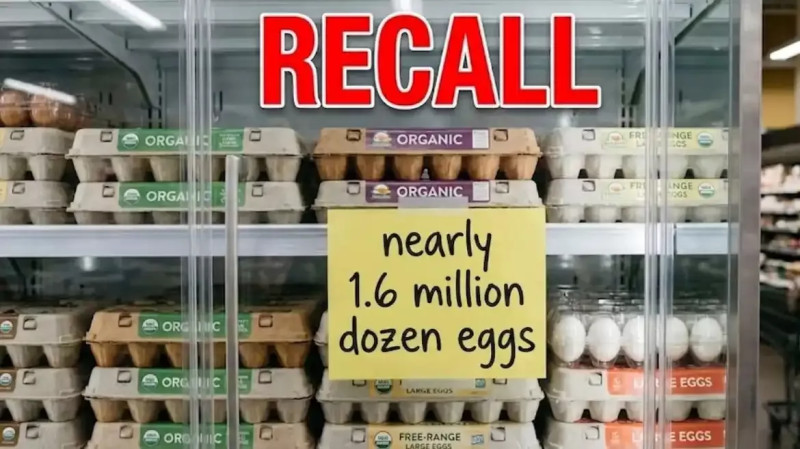
FDA Upgrades Massive Egg Recall to Highest Risk Level
Here we are again, folks. FDA egg recall news is dominating the headlines. The U.S. Food and Drug Administration (FDA) has elevated a recent recall of nearly 1.6 million dozen eggs to the highest risk level, Class I. This means the recalled eggs pose a significant health risk due to potential contamination with Salmonella Enteritidis. The recall affects eggs sold under several brand names in six states, and it's a reminder of the ongoing vigilance needed in our food supply chain. But let's dive in a bit deeper, shall we? Let's see what this means for consumers and what we should be looking out for.
The Scale of the Recall and Its Impact
This isn't some minor recall. We're talking about a whopping 19 million eggs, which sounds like an egg-catastrophe. Midwest Poultry Services, L.P. proactively initiated the recall after samples from farms in Texas tested positive for Salmonella. The recall includes white shell eggs and brown cage-free eggs, which were sold under various brand names in grocery stores across six states. The FDA's decision to upgrade the recall to Class I indicates the potential severity of the health risk.
And here’s where it gets concerning: this recall has been linked to 98 reported cases of salmonella, with 26 people hospitalized. The outbreak has spread across 17 states, making it a significant public health issue. The FDA's prompt action underscores the seriousness of the situation, but it also raises questions about how such a large-scale contamination could occur.
What Does a Class I Recall Mean for Consumers?
A Class I recall is the FDA's highest risk classification, indicating that there is a reasonable probability that the use of, or exposure to, a violative product will cause serious adverse health consequences or death. This means that consumers need to be extremely vigilant. If you purchased eggs recently, especially if you're in one of the affected states, it's crucial to check the brand names and lot numbers against the recall list provided by the FDA. Sound familiar? Remind you of anything? Probably the last time you had to check your fridge for a recall.
The FDA's announcement includes a list of affected brand names, and if you’re unsure, it’s best to err on the side of caution. Dispose of any recalled eggs safely, and if you’ve consumed them and are feeling unwell, contact your healthcare provider immediately. The symptoms of salmonella can be severe, especially for young children, the elderly, and those with compromised immune systems.
The Broader Implications and Future Steps
The outbreak investigation is ongoing, and the FDA is working closely with state and local health departments to monitor the situation. This isn't just about the immediate recall; it's about understanding how this contamination occurred and preventing it in the future. Midwest Poultry Services has been cooperative, sharing third-party testing results with the FDA and initiating the recall proactively. But the question remains: how did this happen, and how can we prevent similar incidents?
As consumers, we rely on regulatory bodies like the FDA to ensure our food is safe. This recall is a stark reminder of the challenges in maintaining a safe food supply. Whether it's thorough testing, better farm management, or more stringent regulations, there's always room for improvement. And then – get this – the FDA has been criticized in the past for not moving quickly enough in similar situations. This time around, they’ve been swift, but the public’s trust will only be restored through consistent, transparent action.
So, what’s next? Well, the recall is ongoing, and the FDA is continuing to investigate. But for consumers, it’s all about vigilance. Check your eggs. Stay informed. And if you think you’ve been affected, don’t hesitate to seek medical help. As for the broader implications, let’s hope this serves as a wake-up call for the industry.
So, what is the real concern here? In the midst of this FDA egg recall, is it the immediate health risk, or the larger issue of food safety and public trust?
How does this story make you feel?
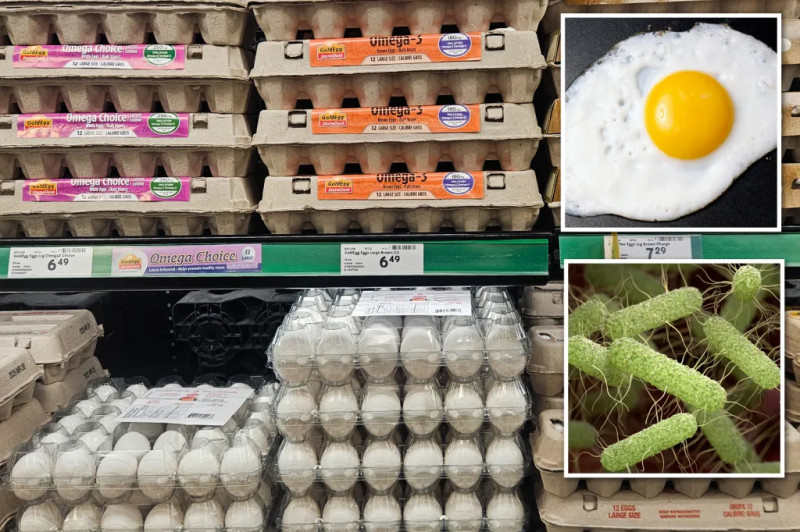 Up next · HealthFDA Issues Class I Recall for Nearly 1.6 Million Eggs in Texas