Beef Recall Alert: Nearly 30,000 Pounds of Imported Meat Pulled from Stores
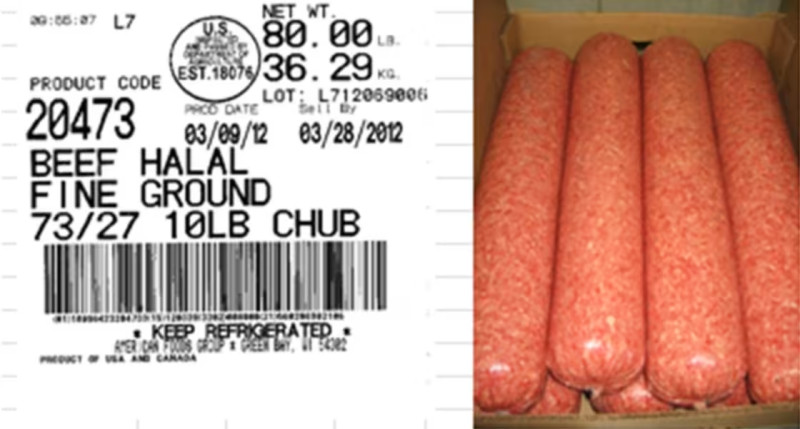
Tensions are rising in the meat industry as beef recall alerts have hit the headlines. Almost 30,000 pounds of raw beef from South America have been recalled in the United States. This isn't just any routine recall—it's a high-stakes situation involving import violations. Here’s what you need to know:
Import Violations Spark Major Beef Recall
The recent beef recall involves nearly 30,000 pounds of raw beef, imported from Argentina, failing to undergo import reinspection. This oversight, which was discovered in the US, has triggered a significant food safety concern. Corte Argentino USA, the Florida-based company responsible for the import, has recalled the beef products. The recall affects retailers and grocery distributors in Texas and Florida, major hubs for meat distribution.
Here’s the thing: it’s not just about the quantity. The recall includes a variety of beef products, raising the stakes even higher. The U.S. Department of Agriculture’s (USDA) Food Safety and Inspection Service (FSIS) has issued a public health alert, underscoring the seriousness of the situation. This isn’t the first time the FSIS has had to step in, but the sheer scale of this recall is notable. The impact on consumers and retailers is significant, casting a spotlight on the regulatory oversight of imported meats.
The recall affects a mix of raw beef products, including various cuts and ground beef. The affected products, which were imported from Argentina, were distributed to retailers and grocery distributors in multiple states, particularly in Texas and Florida. “The recall encompasses a wide range of beef products, including ground beef and various cuts, all of which were distributed to retailers and grocery distributors in Texas and Florida”.
Consumer Safety and Industry Ramifications
Beef recall situations like this can be scary. They make you wonder, how safe is the food on our shelves? The immediate concern is consumer safety. The recall affects raw beef, which means it could potentially lead to foodborne illnesses if consumed. Consumers in Texas and Florida are advised to check their freezers and fridges for any recalled products.
But beyond the immediate health risks, there are broader industry ramifications. This recall is a wake-up call for food safety regulations, especially concerning imported goods. The oversight at Corte Argentino USA raises questions about the effectiveness of current inspection protocols. “The recall has raised concerns about the effectiveness of current inspection protocols and the need for stricter oversight of imported goods”.
“Consumers in Texas and Florida are advised to check their freezers and fridges for any recalled products. The recall encompasses a wide range of beef products, including ground beef and various cuts, all of which were distributed to retailers and grocery distributors in the affected areas”.
As a friend at your local grocery store might tell you, sound familiar? It’s a reminder that even in the most regulated industries, human error can have big consequences. Look, this isn’t the first beef recall, and it probably won’t be the last. But it’s a stark reminder of the importance of vigilance in food safety
Expert Insights and Future Implications
“This recall is a critical reminder of the importance of vigilance in food safety and the need for robust inspection protocols, particularly for imported goods. It highlights the complexities of the global food supply chain and the challenges in ensuring consistent safety standards across borders”.
The beef recall serves as a wake-up call for regulators and consumers alike. The FSIS’s alert underscores the ongoing challenges in food safety and the need for vigilant oversight. Consumers, retailers, and regulatory bodies must work together to ensure that such incidents are minimized in the future. The impact of this recall extends beyond the immediate health risks, affecting consumer trust and industry practices.
Food safety experts have weighed in, emphasizing the need for stricter regulations and better oversight. “The recall highlights the complexities of the global food supply chain and the challenges in ensuring consistent safety standards across borders”.
“The recall has underscored the importance of robust inspection protocols and the need for increased transparency in the food supply chain. Consumers and retailers alike are urged to remain vigilant and adhere to the latest guidelines issued by the USDA and FSIS”.
“The recall has raised concerns about the effectiveness of current inspection protocols and the need for stricter oversight of imported goods. The FSIS’s alert underscores the ongoing challenges in food safety and the need for vigilant oversight”.
“The recall has impacted a wide range of beef products, including ground beef and various cuts, all of which were distributed to retailers and grocery distributors in Texas and Florida. Consumers are advised to check their freezers and fridges for any recalled products”.
Industry experts are calling for a comprehensive review of the current food safety protocols. This includes stricter reinspection protocols and more frequent audits of imported products. The goal is to prevent such incidents in the future and ensure that consumers have access to safe and high-quality products. And then — get this — the industry has to step up to the plate and make sure this doesn’t happen again.
It’s been said before, but it bears repeating: vigilance and transparency are key in the ever-evolving landscape of food safety. The beef recall is a stark reminder that we need to stay alert and proactive in ensuring the safety of our food supply. The recall has underscored the importance of robust inspection protocols and the need for increased transparency in the food supply chain. Consumers and retailers alike are urged to remain vigilant and adhere to the latest guidelines issued by the USDA and FSIS.
So here’s the thing: while beef recalls are always a recipe for concern, they’re also an opportunity for improvement. Let’s hope that the coming weeks bring clarity and better safety protocols, ensuring that the beef we consume is not just tasty, but safe.
How does this story make you feel?
 Up next · HealthMassive Beef Recall Shakes Retailers in Two States