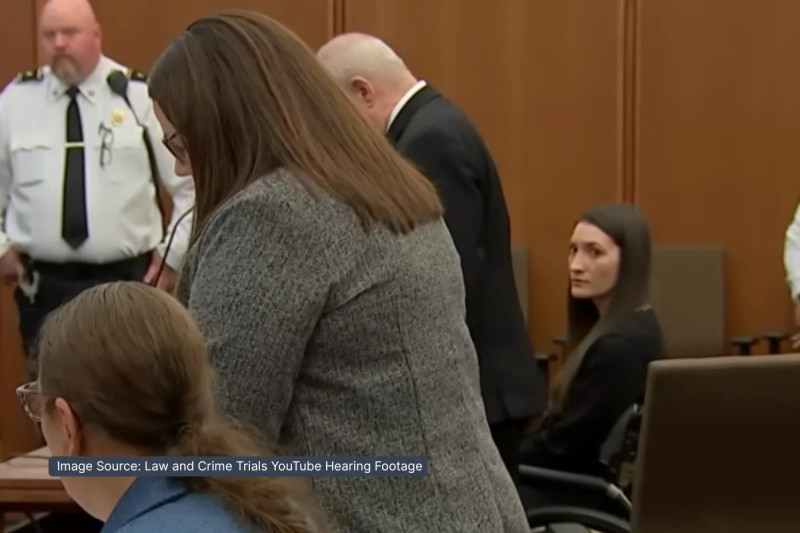
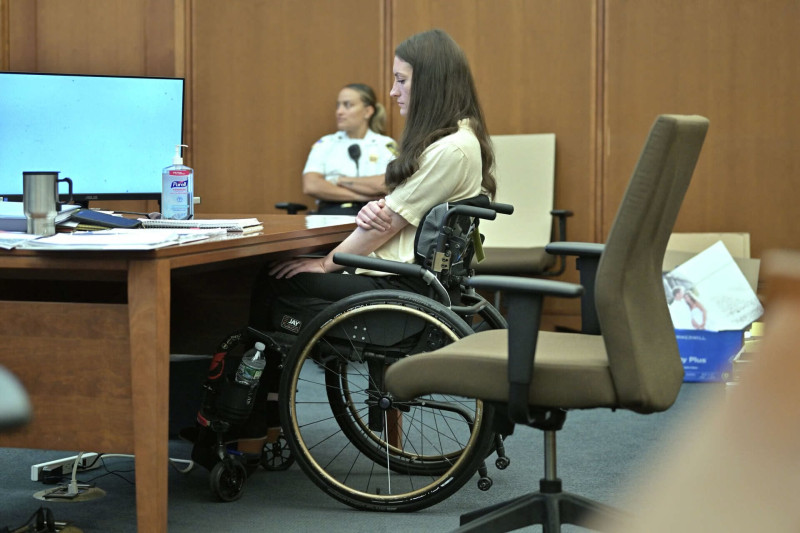
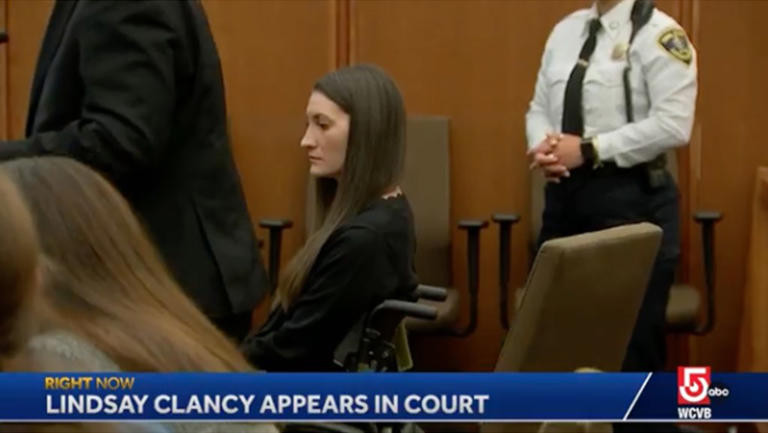
Lindsay Clancy’s Trial: The Chilling 911 Call and the Battle Over Postpartum Psychosis
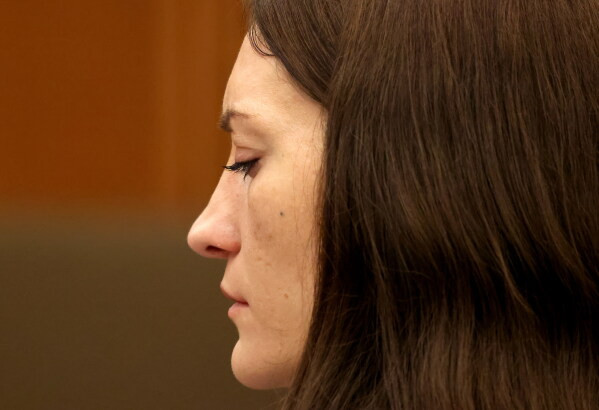
Here’s the thing: We all know that Lindsay Clancy is in court for the murder of her three children. But what you might not know is that the Patrick Clancy 911 call is causing quite the stir. And get this — Patrick Clancy’s new wife is adding another layer to this already convoluted mess.
The Lindsay Clancy 911 Call: A Father’s Horror Unfolds
On January 24, 2023, Patrick Clancy’s world was shattered. He was already on the phone with a 911 dispatcher when he discovered his three children strangled to death in the basement of their Duxbury, Massachusetts, home. The 911 call he made is now a central piece of evidence in Lindsay’s trial. Let’s listen in:
“She killed the kids!” Patrick Clancy’s voice cracks with desperation as he realizes the unimaginable. The recording played in court brought tears to many eyes, including those of jurors, as they heard the raw, unfiltered horror that Patrick experienced. The 911 call is a brutal reminder of the tragedy that unfolded in the Clancy household.
For those of us who’ve never experienced such a nightmare, it’s almost impossible to imagine the sheer terror and confusion Patrick felt. But here’s the kicker: Lindsay’s defense is arguing that she was suffering from postpartum psychosis, a severe mental illness that can cause hallucinations and delusions. The defense claims that Lindsay was not in her right mind when she committed the unthinkable.
Postpartum Psychosis: The Psychological Defense
You might be wondering, what is postpartum psychosis? Well, it’s a rare but serious mental health condition that can affect new mothers. It’s characterized by severe mood swings, delusions, and hallucinations, and it can be life-threatening. Lindsay’s defense is banking on the idea that she was so deeply affected by this condition that she couldn’t control her actions.
But here’s where it gets complicated. Patrick, who is now remarried and has moved on, is testifying for the defense. Sounds familiar, doesn’t it? The husband trying to help his ex-wife, the one accused of killing their children. Patrick has been called to the stand, and his testimony is crucial. He’s argued that Lindsay had been displaying signs of severe mental illness before the tragedy, but it’s unclear how much weight this will carry in court.
Patrick Clancy: From Grieving Father to Testifying Husband
It’s not every day that a man goes from grieving father to testifying against the mother of his children. But Patrick Clancy is doing just that. He’s been called as a witness for the defense, despite the charges against his ex-wife. Sound familiar? It’s a complicated situation, and one that’s playing out in the courtroom.
Patrick has been a key witness in the trial, providing harrowing details about the day he discovered his children. But he’s also been vocal about his belief that Lindsay was not in her right mind. In one particularly emotional moment, he testified that Lindsay had told him she was suicidal, adding another layer of complexity to the defense’s argument.
The defense’s argument hinges on the idea that Lindsay was overmedicated and suffering from severe postpartum psychosis at the time of the murders. They argue that as a result, she should be found not guilty of three counts of murder by reason of insanity.
And then — get this — Patrick Clancy is also pushing to limit the circulation of graphic evidence, including the 911 call. He wants to block media access to the photos of the three deceased children and images of their clothing. It’s a sensitive issue, and one that’s causing a lot of debate in the courtroom.
But here’s the thing: the jury will have to weigh all of this evidence, and it’s a heavy burden. They have to consider Patrick’s testimony, Lindsay’s mental state, and the chilling 911 call. It’s a complex case, and one that will have far-reaching implications for how we understand and treat postpartum psychosis.
So, what happens next? Well, the trial is still ongoing, and the jury’s verdict will likely be a long time coming. But one thing is for sure: Patrick Clancy, you and your new wife are in the heart of a tragedy that’s shaking the foundations of a family and a community. It’s a case that’s testing the limits of our understanding of mental illness and the justice system. And it’s a reminder that sometimes, the most heartbreaking stories are the ones that unfold in our own backyards, as we grapple with the complexities of mental health and the weight of a father’s grief.
How does this story make you feel?
 Up next · WorldPatrick Clancy Remarries Amidst an Unfolding Trial