Super El Niño Threat Looms Large: Latest Weather Forecast and Impacts
The super El Niño weather pattern of 2026 is shaping up to be a formidable force, with recent forecasts indicating that it could surpass even the strongest events on record, going as far as to be labelled a ‘Super’ El Niño. The latest updates from meteorological agencies worldwide suggest a significant intensification, with far-reaching impacts on global weather patterns.
Understanding the Super El Niño Forecast for 2026
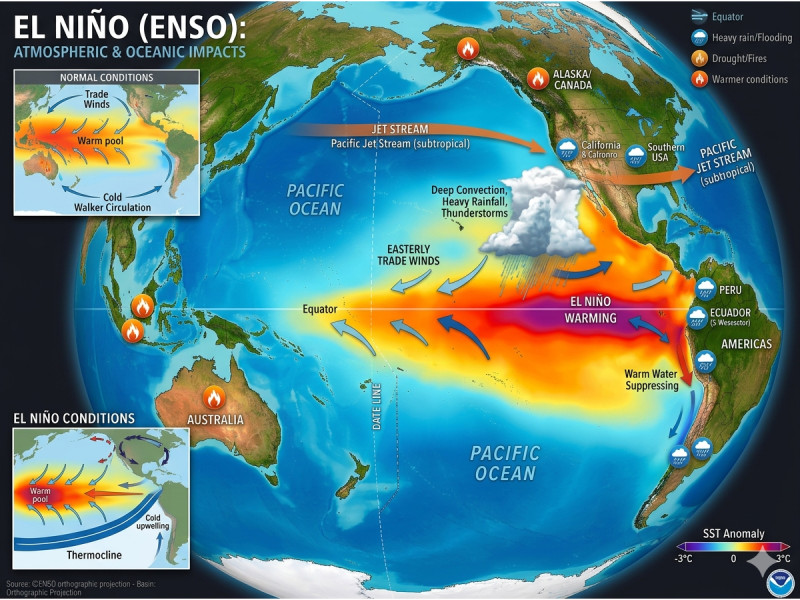
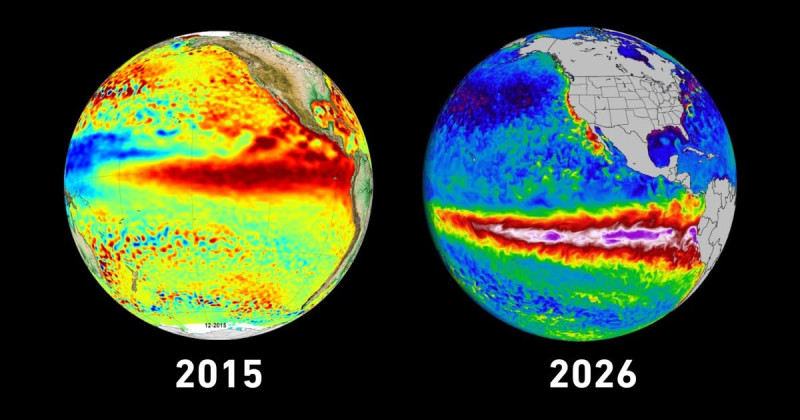
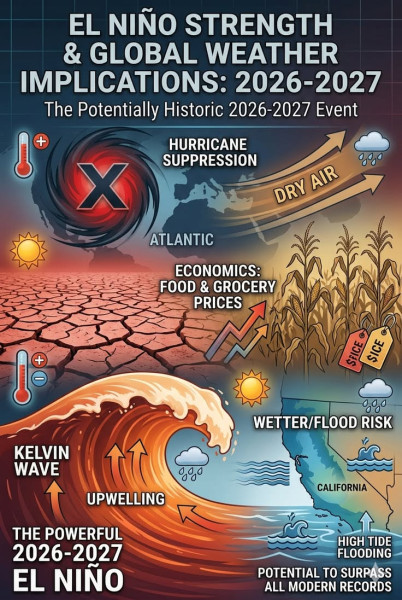
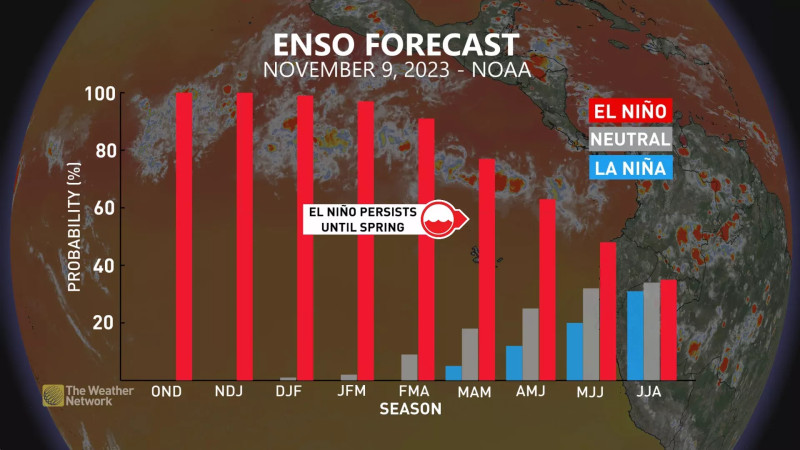
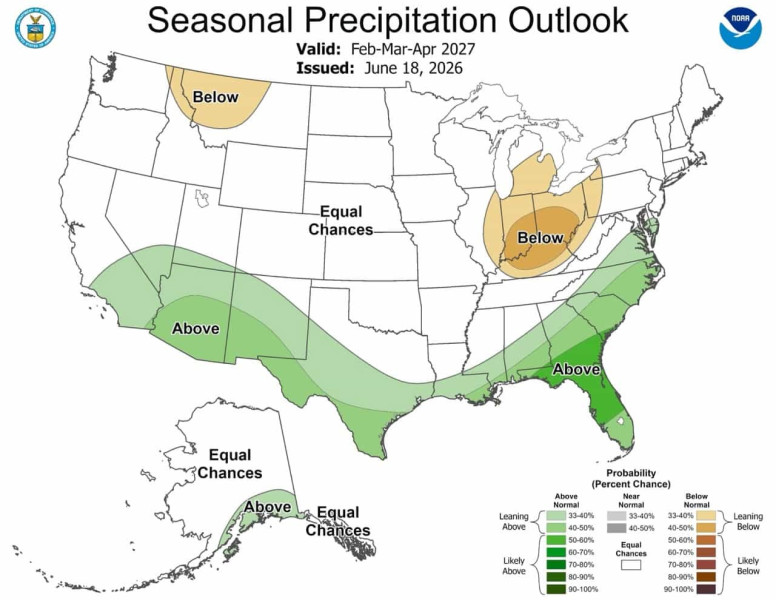
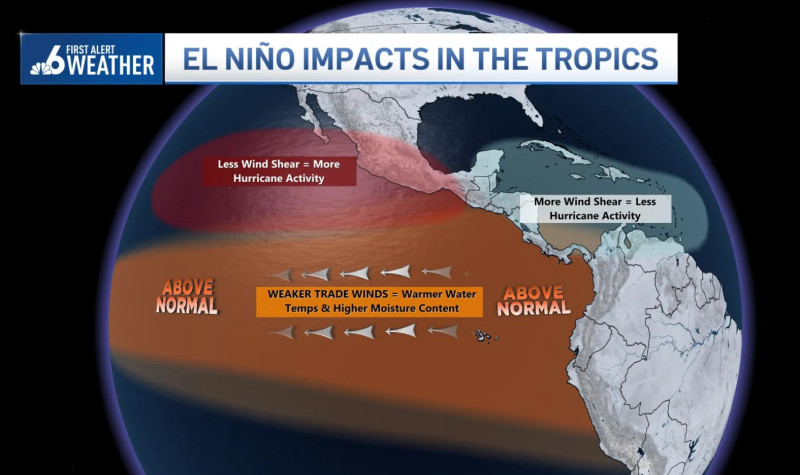
The super El Niño phenomenon is a cyclical climate pattern characterized by unusually warm ocean temperatures in the equatorial Pacific, which can trigger a cascade of weather changes across the globe. According to the latest data from the National Oceanic and Atmospheric Administration (NOAA), there is a nearly 70% chance that this year's El Niño event will be the strongest on record. The sudden intensification of the event can be linked to an unprecedented combination of westerly winds and subsurface oceanic conditions, which are driving the rapid acceleration of this weather pattern. The El Niño forecast for 2026 indicates that the impacts could be far-reaching, with significant changes in precipitation and temperature patterns expected. NOAA's updated map and discussion for the 2026-2027 winter weather forecast highlight the potential for increased rainfall across the Southeast United States and other regions, as well as shifts in temperature and pressure systems. The World Meteorological Organization (WMO) also cautions that the current El Niño event is expected to dominate global climate patterns in the coming months, potentially leading to above-normal temperatures and significant shifts in rainfall patterns. The super El Niño forecast is particularly concerning because of its potential to disrupt weather patterns and exacerbate existing climate issues. In recent times, El Niño events have been linked to droughts, floods, and other extreme weather events, which can have devastating impacts on agriculture, economies, and communities around the world. One key aspect that sets this year's El Niño apart is the rapid acceleration in its development, which has meteorologists concerned about its potential to break records. The latest forecasts suggest that the event could push the 2026 El Niño into historic territory, surpassing even the strong event of 1997-1998. The super El Niño forecast for 2026 indicates that the impacts could be far-reaching, with significant changes in precipitation and temperature patterns expected. The El Niño 2026 tracker provides a live update on the current Niño 3.4 readings and the timeline from La Niña to the Advisory, as well as the odds of a super-El Niño event and what winter could bring. The Climate Prediction Center (CPC) and the International Research Institute for Climate and Society (IRI) update their probability outlook monthly, providing valuable insights into the trajectory of the event. But let's not kid ourselves, the potential for a super El Niño event to cause widespread disruption is not just a matter of speculation. The data is damning, and the evidence suggests that this year's event could be one of the most significant in recent history. However, it is also important to note that while the forecast is concerning, it is not without its uncertainties. Meteorological models are continually evolving, and the precise impacts of an El Niño event can be difficult to predict. Here's what nobody's asking: Could the unprecedented intensity of this El Niño actually lead to unforeseen benefits, such as increased precipitation in drought-stricken regions or a temporary respite from other climatic stressors? The El Niño 2026 forecast is crucial for understanding the potential impacts of this powerful weather pattern. The latest updates indicate that the event is strengthening rapidly, with the potential for significant changes in weather patterns across the globe. The El Niño forecast for 2026 suggests that the event could lead to increased rainfall in some regions while causing droughts in others, as well as shifts in temperature and pressure systems. The super El Niño map provides a visual representation of the potential impacts, highlighting the areas most at risk from the event. The super El Niño forecast for 2026 is a stark reminder of the power of nature and the need for vigilance in the face of climate change. As the event continues to intensify, it is crucial for communities and governments to be prepared for the potential impacts and to work together to mitigate the risks. The latest updates from NOAA and other meteorological agencies provide valuable insights into the potential impacts of the event and the steps that can be taken to prepare for it. But as the world braces for the potential of a super El Niño, the question remains: how will we adapt and respond to the challenges and opportunities that this powerful weather pattern presents?
How does this story make you feel?
 Up next · ScienceBald Eagle Shadow Moves On After Jackie's Passing