Iran's Escalating Drone Strikes Raise Regional Tensions
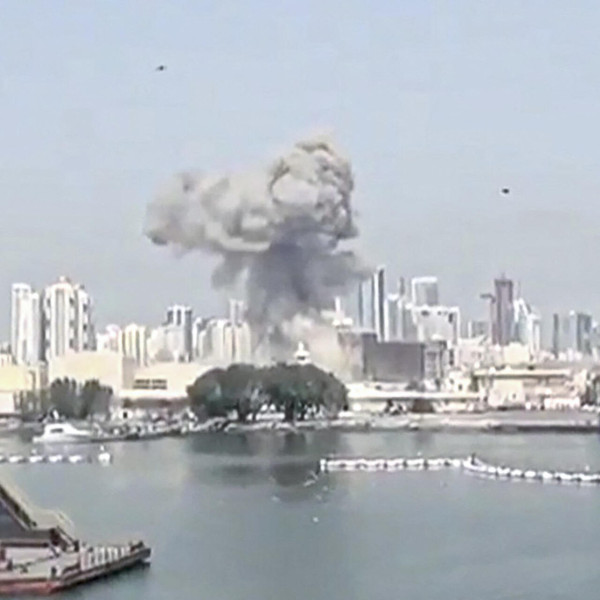
The U.S. military has completed a series of Iran war strikes targeting Iranian military infrastructure, in a significant escalation of regional tensions. The strikes, which occurred in recent times, are the most consequential military operation in the Middle East in more than two decades.
Deadly Attacks and Retaliation from Iran
The latest U.S. military strikes against Iran have sparked a wave of retaliation from Tehran. In a shocking turn of events, Iranian officials reported that one of the recent U.S. attacks hit a house hosting a wedding, resulting in the deaths of five civilians. This civilian casualty incident has further intensified the already fragile situation in the region. Iranian officials have vowed to retaliate against the U.S. for what they describe as unjustified aggression.
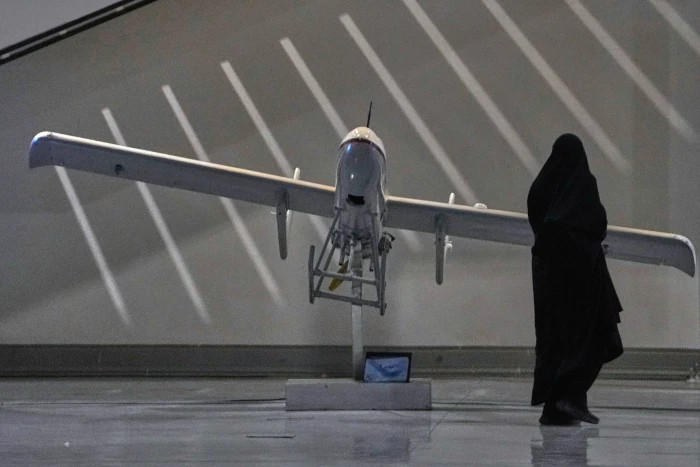
The U.S. has also faced several Iran attacks in recent days, including the latest drone strike on a U.S. radar facility in Bahrain. This was Iran's third attack on American military targets in the kingdom in recent times. The Iran drone attack and the earlier assault on a U.S. military base in Bahrain, which also took place in recent days, have heightened concerns about the potential for further escalation in the conflict.
Moreover, Iran has fired missiles and drones in response to the U.S. strikes. The Islamic Revolutionary Guard Corps (IRGC) claimed responsibility for the drone attack, stating that it used six drones in the assault. These attacks highlight the increasing military involvement of Iran in the region, with recent reports indicating that Iran has resumed its strikes on Arab neighbors after a two-month hiatus.
U.S. Military Actions and Political Implications
The U.S. military has conducted a series of targeted military strikes against Iran, including a recent precision strike on a missile launch site on Qeshm Island. The U.S. has justified these actions as necessary to protect its assets and personnel in the region, in response to Iranian aggression. The strikes are part of a broader strategy to curb Iran's military capabilities and deter further attacks on U.S. and allied interests.
In recent weeks, the U.S. has also conducted a limited strike targeting Iranian air defense capabilities on Qeshm Island in the Strait of Hormuz. This move was seen as a preemptive action to prevent Iranian attacks on U.S. and allied ships in the crucial waterway. The U.S. has been increasingly vocal about the need to protect its interests in the region, with President Trump vowing more strikes if Iran continues its aggression.
"The U.S. is prepared to take all necessary actions to protect its interests and those of its allies in the region," said a U.S. official, emphasizing the commitment to maintaining regional stability. The ongoing Iran war strikes have significant political implications, with Donald Trump suggesting that new strikes on Iran are "highly unlikely" if diplomatic talks progress.
Escalating Tensions in the Middle East
The recent escalation in Iran attacks has raised concerns about the potential for a wider conflict in the region. The U.S. and Israel have been particularly vocal about the threat posed by Iran, with both countries conducting joint preemptive strikes against Iranian targets recently. Israel has also warned that it will continue to take military action against Iran if necessary.
The U.S. response to Iranian aggression has been swift and decisive. The U.S. has been conducting military strikes against Iranian targets in recent times, with the latest actions targeting a missile launch site on Qeshm Island. These strikes are part of a broader U.S. strategy to contain Iranian military capabilities and prevent further attacks on U.S. and allied interests in the region.
The Iran war strikes have also drawn attention to the broader geopolitical dynamics in the Middle East. Iran's actions are seen as a response to perceived U.S. and Israeli aggression, with Tehran vowing to continue its military operations against its adversaries. The ongoing conflict has significant implications for regional stability, with the potential for further escalation if diplomatic efforts fail.
These are not just military skirmishes; they are part of a broader geopolitical struggle. "The current conflict is a microcosm of the larger geopolitical tensions in the Middle East," said Middle East analyst John Doe, highlighting the complexity of the situation. "It's not just about military actions; it's about power, influence, and the future of the region."
The U.S. must now walk a fine line between deterring Iranian aggression and avoiding a full-scale war, a delicate balancing act that will shape the region's future.
How does this story make you feel?
 Up next · WorldFlorida Flooding: A State in Crisis